The auto expert explained the reasons for the rapid darkening of the engine oil

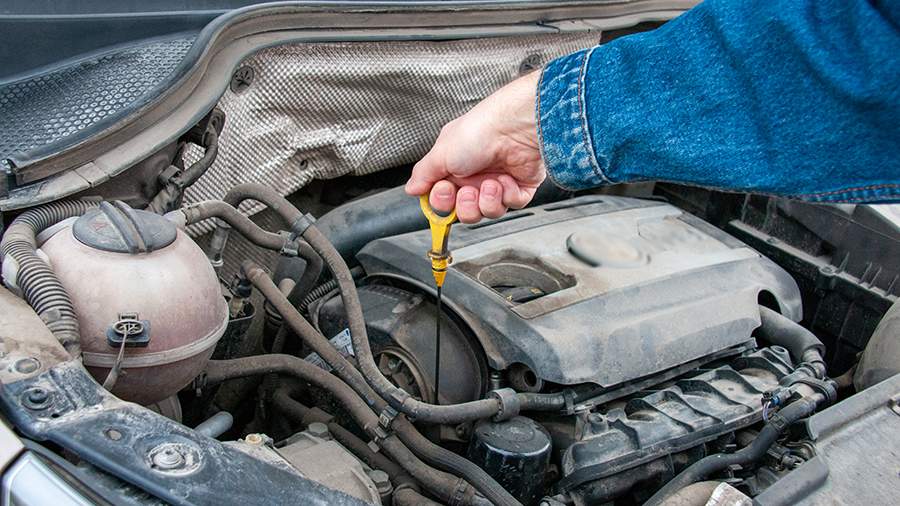
Rapid darkening of the engine oil (1-2 thousand km after replacement) is a normal process that demonstrates that the lubricant performs its cleaning function. This was announced on July 23 by Roman Sokuev, head of the Sintec Lubricants Technical Expertise Center.
"The key reason is the effective functioning of the dispersing additives included in modern high—quality oils. Their task is to immediately bind soot microparticles (an inevitable combustion product, especially in diesel and gasoline engines with direct injection) and fine wear products, keeping them suspended. The uniform distribution of these particles over the volume of the oil gives it its characteristic dark shade," Rossiyskaya Gazeta quotes the expert as saying.
However, in some cases, darkening of the oil may indicate serious problems, the specialist warned. We are talking about a sharp thickening or pasty state of the oil, which indicates signs of oxidation or overheating. The appearance of an emulsion or a sweet smell is evidence of a possible ingress of antifreeze, and an abnormally rapid increase in oil consumption for carbon monoxide is also possible, Sokuev added.
He stressed that if the oil remains light after several thousand kilometers, this is a much more alarming signal. This is a sign of a non-functioning package of dispersant additives, depletion of the lubricant's resource or its fundamental inability to retain contamination, which leads to accelerated accumulation of deposits inside the internal combustion engine, the expert noted.
On July 21, automotive expert Vadim Strelbitsky said that sports fuel, such as Ai-102 or Ai-110, would have virtually no noticeable effect if poured into a regular production car. For conventional road vehicles, the electronic engine control systems automatically adapt to the fuel, resulting in a power difference of 1-2% at best.
Переведено сервисом «Яндекс Переводчик»
