July 13 — Council of the 12 Apostles: date and prohibitions of an important holiday
- Новости
- Local news
- July 13 — Council of the 12 Apostles: date and prohibitions of an important holiday

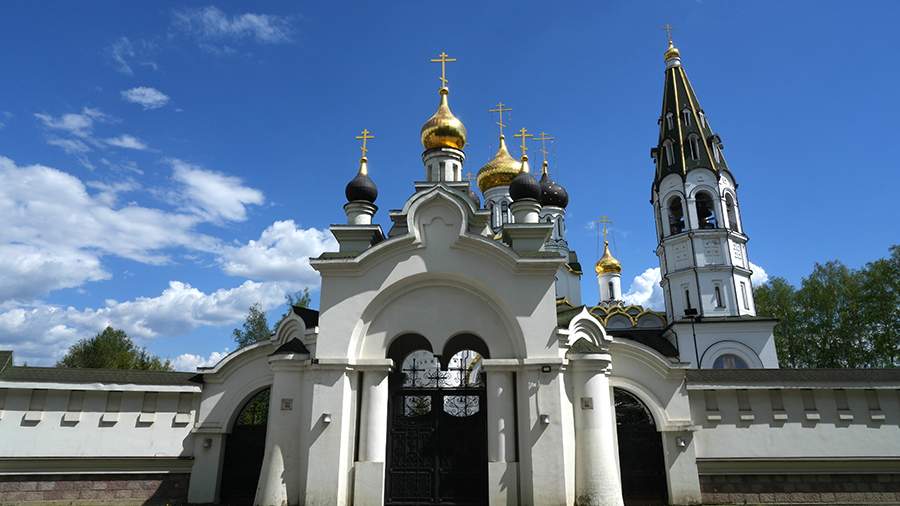
On July 13, believers celebrate a major church holiday — the Council of the 12 Apostles, dedicated to the disciples of Jesus Christ and their contribution to the spread of Christianity. In 2025, the holiday date falls on a Sunday. Izvestia tells about the history, traditions and prohibitions of this day.
The history of the feast of the Cathedral of the 12 Apostles
The apostles (from the Greek "messengers" or "messengers") are the closest disciples of Jesus Christ, chosen by him to proclaim the Kingdom of God. Since ancient times, the church has celebrated their memory on different days, and this tradition continues to this day. But already in the IV century, they began to organize general celebrations in honor of the main apostles in order to emphasize the equality of their merits and avoid differences in veneration.
According to the Gospels, Jesus himself appointed his disciples to lead His Church after His departure. After the Resurrection of the Lord, the Holy Spirit descended upon the apostles gathered in the upper room of Zion. In the blink of an eye, they learned to speak different languages to spread Christianity around the world and perform miracles.

For their mission, the apostles were often persecuted by pagans. Almost all of them were martyred for their faith. A special holiday was established in memory of their heroic service and perseverance. Later, Emperor Constantine the Great built a magnificent church of the Holy Apostles in Constantinople.
Cathedral of the 12 Apostles: who was a disciple of Christ
The life stories of Jesus and his disciples are recorded in the gospel stories. For example, it is known about Peter, a fisherman from a small village, that he was the first to believe in the divinity of Jesus, but then denied Him during his arrest. After sincere repentance, Jesus forgave him and named him "Cephas" — "stone", placing him at the head of his disciples. His brother Andrew, before meeting Christ, was a disciple of John the Baptist and was the first to follow the Savior, earning the title of the First-Called.
Another disciple of John the Baptist was John the Theologian, the author of the Fourth Gospel and other books of the New Testament. Later, he became one of the most beloved disciples of Christ. It was John who leaned on the Savior's shoulder during the Last Supper, was next to Him during interrogations, and dared to be on Golgotha during the Crucifixion.
Simon the Zealot (Canaanite) witnessed the first miracle that Jesus performed by turning water into wine. James Zebedee witnessed the Transfiguration of the Lord on Mount Tabor, and with the apostle Philip, Jesus talked about how to feed five loaves and two fishes to thousands of people gathered to listen to the sermon.
The author of the first Gospel, Matthew, was a tax collector and followed the Savior as soon as He called him to follow him. Thomas, a sincere and faithful disciple of Christ, is known for doubting the Resurrection of the Lord and receiving the nickname "the unbeliever."

Judas Iscariot remained in history as having betrayed Christ for 30 pieces of silver, which led to the arrest and crucifixion of the Son of God. The contradictory image of Judas, who loved but betrayed Christ, is reflected in literature and painting. There was another Judas among the apostles, Judas Iakovlev (Thaddeus), the brother of the Lord. He glorified the Lord and proclaimed the gospel to many nations.
Two apostles named James were also among the disciples of Jesus Christ. The first, James Alphaeus— preached the word of God, cured illnesses, and brought many people to Christ. The second, James Zebedee— was the elder brother of the Apostle John the Theologian. The brothers were called to the apostolic ministry immediately after the Apostles Peter and Andrew the First-Called.
Cathedral of the 12 Apostles in 2025: traditions of celebration
A Divine Liturgy is held on the holiday, which attracts many believers. Traditionally, the divine service on the feast day is performed by Patriarch Alexy II of Moscow and All Russia in the Church of the Twelve Apostles of the Moscow Kremlin.
During the service, parishioners will learn about the life of the apostles and their fate. After that, it is customary to gather at a festive table. Since the celebration is celebrated after the end of St. Peter's Fast (it lasted from July 1 to July 11), there are no restrictions on food.
On this day, it is important to reconcile with loved ones with whom there have been quarrels, to show mercy to others. It is forbidden to swear, swear and refuse to help those in need.
Earlier, Izvestia reported on the history and traditions of the Nativity of John the Baptist.
Переведено сервисом «Яндекс Переводчик»
