Doctors explained the causes of pain after a stroke and talked about treatment methods.
- Новости
- Health
- Doctors explained the causes of pain after a stroke and talked about treatment methods.

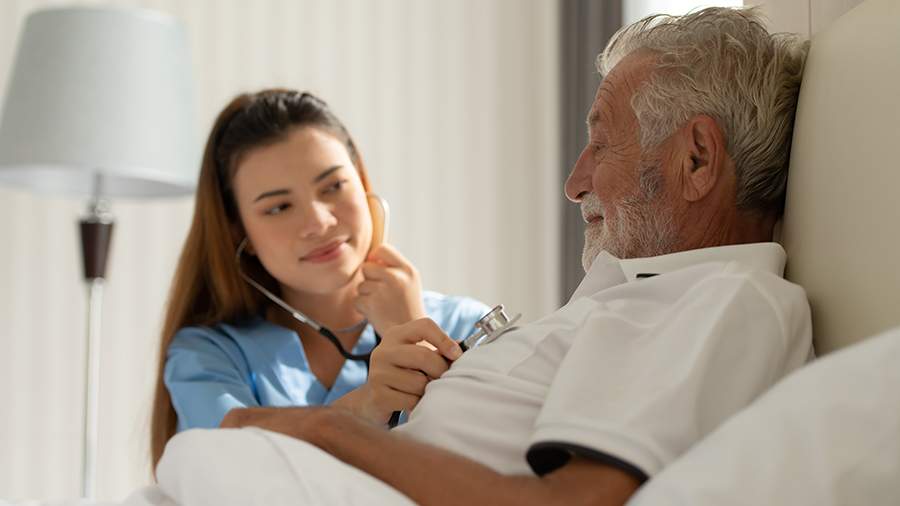
Pain remains the most common manifestation in neurological practice and is a significant problem for stroke patients. This sensation is an unfavorable sensory and emotional experience associated with actual or potential tissue damage. The methods of treating pain after a stroke are described in an article published in the Russian Medical Journal.
Experts emphasize that the prevalence of post-stroke pain varies from 34 to 80%. However, the data from many studies may be underestimated, as patients do not always report symptoms, and doctors do not actively survey them. In one study, it was found that two thirds of patients with central pain did not receive adequate therapy or were left without treatment altogether.
"Patients with post-stroke pain show more pronounced cognitive and functional impairments, decreased quality of life, fatigue, and signs of depression," the authors note.
According to the publication, the presence of pain syndrome, according to experts, slows down the rehabilitation process by half and leads to an increase in the cost of treatment. At the same time, people suffering from pain have significantly reduced motivation to study and follow medical recommendations, which negatively affects the restoration of functions.

Risk factors for post-stroke pain include both the features of stroke (localization, ischemic nature) and individual characteristics of patients. It has been found that the problem most often occurs when the thalamus and brain stem are affected, as well as in the elderly.
The clinical manifestations of post-stroke pain are diverse: from central pain syndrome and pain with muscle spasticity to complex regional pain syndrome and arthropathies of the shoulder joint. Often, a patient may experience a combination of several types of pain.
According to the researchers, modern therapy should include both drug—based methods (antidepressants, antiepileptic drugs, tramadol) and non-drug approaches such as transcranial magnetic stimulation, physical therapy, and mirror therapy. However, the choice of a specific treatment regimen should be determined individually and based on an interdisciplinary approach.
The authors emphasize that rehabilitation should be based on the wishes of the patient and his immediate environment.
"An effective program is possible only with the participation of specialists from different fields and regular assessment of progress," the article says.
On August 14, Ekaterina Demyanovskaya, an expert at the Hemotest Laboratory, told Izvestia how to recognize multiple sclerosis in its early stages. One of the possible early manifestations is an unexplained weakness in the fingers, which patients do not always pay attention to. It is most often accompanied by other neurological symptoms, such as impaired speech and vision, decreased movement accuracy, trembling in the hands when approaching the target of touching, impaired pelvic organ function, and increased fatigue. In some patients, mainly in the late stages of the disease, spasticity is observed, a condition in which the flexor muscles become excessively tense, making it difficult to perform fine movements with the fingers.
All important news is on the Izvestia channel in the MAX messenger.
Переведено сервисом «Яндекс Переводчик»
