Scientists have warned about an increase in the concentration of trifluoroacetic chemical in precipitation
- Новости
- World
- Scientists have warned about an increase in the concentration of trifluoroacetic chemical in precipitation

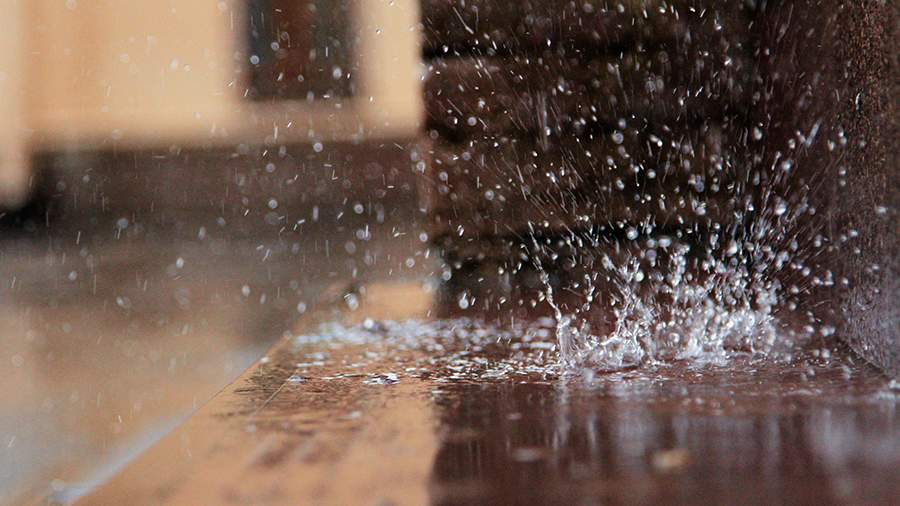
Trifluoroacetic acid (TFC)— a synthetic substance with high resistance to decomposition, is found in atmospheric precipitation all over the planet, and its concentrations continue to rise. The journal Nature will report on this on July 23.
As noted in the material, TFC is fixed in rains and snowfalls, as well as in natural reservoirs, glaciers, agricultural crops and even in the human body. In recent decades, the content of this chemical has increased significantly, as evidenced by long-term observations. Thus, in the foliage and conifers of trees in Germany, the levels of TFC increased 5-10 times in 40 years, similar trends were recorded in the ice cores of Canada.
"These dramatic increases cannot be explained by anything other than human activity," said Finnian Frieling, an analytical chemist at the German Water Center.
TFC enters the atmosphere mainly from fluorinated gases used in refrigeration equipment and insulation materials. These compounds break down in the lower atmosphere, forming TFC, which then returns to earth with precipitation. In addition, the compound is formed during the decomposition of other substances, including pesticides and medicines, as well as during the leakage and disposal of consumer goods containing organofluorine. This leads to the release of CFCs into the groundwater.
Some scientific groups have hypothesized a possible natural origin of TFC, pointing to its presence in the oceans. However, science has not been able to establish the mechanism of the natural formation of matter.
As Nature points out, the detection and fixation of TFC in precipitation has become possible thanks to improved analysis methods. However, opinions about the dangers of acid and its ability to accumulate in the human body vary.

Earlier, in February, the Daily Mail newspaper reported that scientists had discovered microplastic particles near a scientific base in Antarctica. It is noted that this is the first time that tiny pieces of plastic have been found in such remote locations. At the same time, it is indicated that the impact of microplastics on the environment of this continent has not yet been studied.
Переведено сервисом «Яндекс Переводчик»
