The historian spoke about the obstacles for Soviet scientists on the Soyuz–Apollo project from the United States
- Новости
- Science and technology
- The historian spoke about the obstacles for Soviet scientists on the Soyuz–Apollo project from the United States

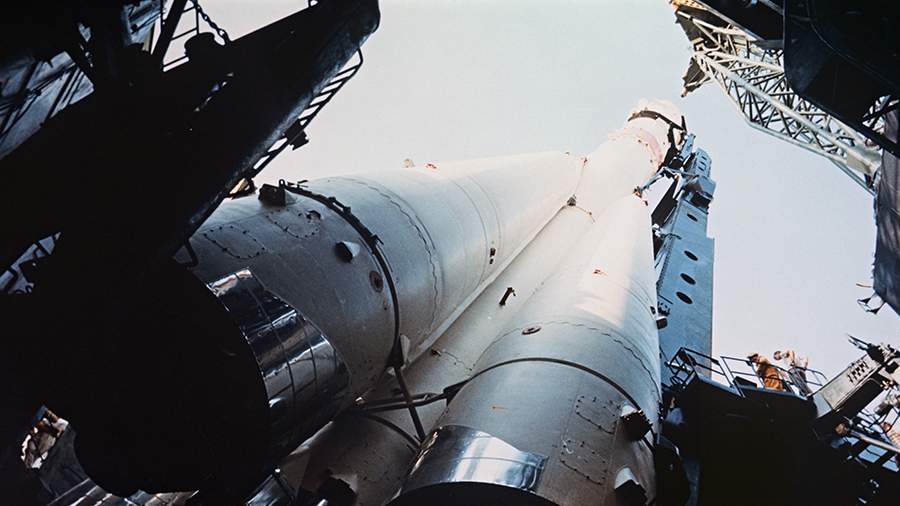
Scientific experiments during the Soyuz–Apollo project, the first international space flight, could have been more effective if scientists from the USSR and the USA had worked without bureaucratic and technical obstacles. Izvestia has received exclusive access to historical documents from the Archives of the Russian Academy of Sciences, which show that Soviet scientists faced obstacles from employees in the American leadership of the project.
"An analysis of the documents shows that, despite the fact that almost all the experiments on the Soyuz–Apollo project were recognized as successful, their effectiveness could have been higher if scientists from the two countries had worked without obstacles," said Olga Selivanova, Deputy Director of the Archive of the Russian Academy of Sciences.
She gave an example of letters from scientists participating in the events, memos and other documents that are kept in the funds of a scientific institution.
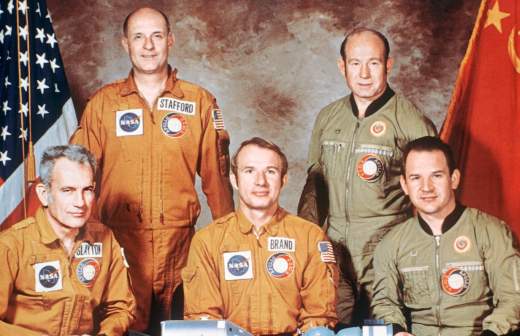
The Soyuz and Apollo spacecraft docked on July 17, 1975. This was the first joint flight in orbit of representatives of different countries in the history of mankind. The Soviet Union was represented in this project by Commander Alexei Leonov and flight engineer Valery Kubasov, and the Apollo crew was represented by Commander Thomas Stafford, command module pilot Vance Brand and docking module pilot Donald Slayton.
Read more in the exclusive Izvestia article:
The mission is incorrigible: The Americans could have disrupted the Soyuz–Apollo scientific programs
Переведено сервисом «Яндекс Переводчик»
