An antibiotic implant will rid the wounded of infections

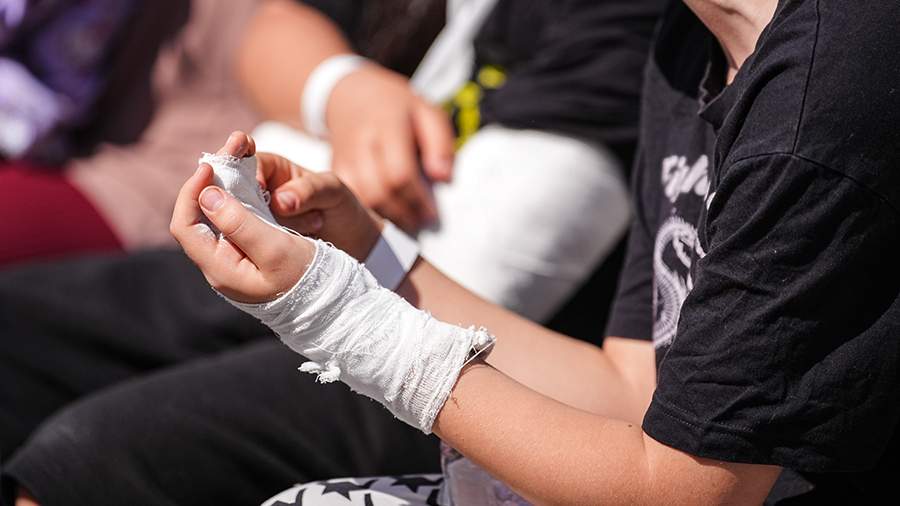
The staff of the Institute of Chemistry of the Far Eastern Branch of the Russian Academy of Sciences, together with scientists from other scientific organizations, have created an antibacterial coating for biodegradable implants. They are used in severe injuries for faster tissue repair, then they decompose themselves in the body. With this kind of injury, wound infections are very common. To prevent them, scientists have come up with a material containing the antibiotic vancomycin, vitamin K2 and zoledronic acid. They prevent the growth of Staphylococcus aureus, which most often causes infection, but do not interfere with the development of healthy cells.

Patients with injuries, such as fractures, often experience inflammation and bacterial infections. In addition, it happens that a temporary implant is installed to replace the damaged tissue. After restoration, the structure has to be removed during repeated surgical intervention, which creates additional stress for the body. Therefore, scientists are striving to develop implants that do not have to be removed and that would prevent infections and inflammation in the tissues.
Magnesium alloys can serve as the basis for them, since they are very close to bone in mechanical properties and have the ability to bioresorption, that is, gradual dissolution in the body. However, they are prone to rapid corrosion, which causes accelerated dissolution of the material, premature failure of the implant, and other undesirable effects. Therefore, we need materials that will slow down this process.
"The developed coating makes it possible to control the dissolution of the magnesium alloy and thereby avoid premature destruction of the structure supporting the bone that has not yet fully recovered. On the other hand, it does not completely stop the dissolution process, which is important in the case of biodegradable implants. At the moment, we are conducting large—scale tests using laboratory animals and in the future we plan to conduct preclinical and clinical trials to prove the effectiveness and safety of the product when used in the human body," Konstantin Nadaraia, senior researcher at the Laboratory of Biomedical Composite Coatings at the Institute of Chemistry of the Far Eastern Branch of the Russian Academy of Sciences, told Izvestia.
The antibiotic in the coating kills germs, zoledronic acid slows down the destruction of bone tissue, and vitamin K2 stimulates its recovery.
Переведено сервисом «Яндекс Переводчик»
