
To weigh in with fat: the Ministry of Health criticized the toxic body positive
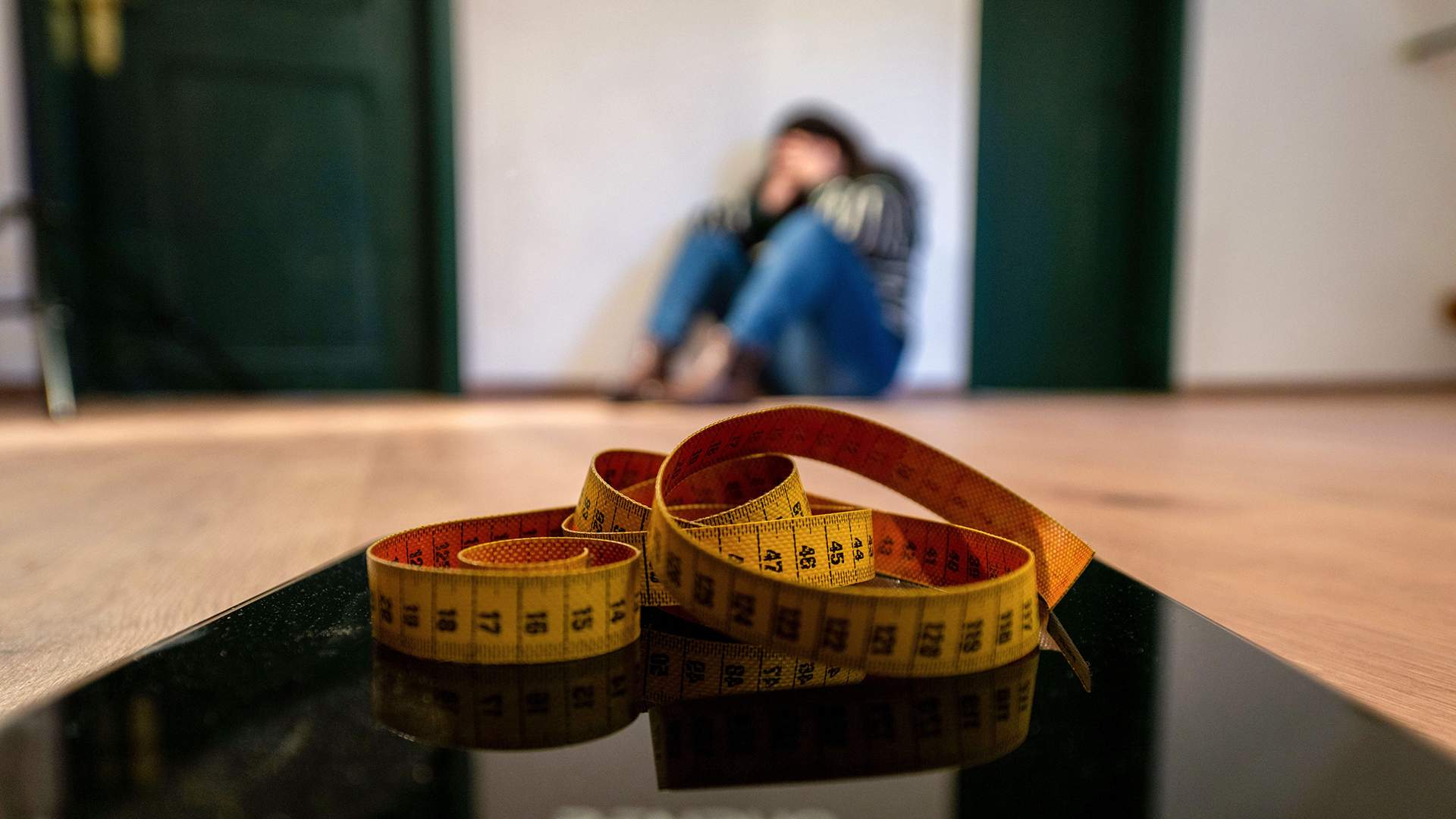
The Minister of Health criticized the idea of a "toxic body positive" that causes people to "lose years of their lives." As Mikhail Murashko noted, it consists in denying the impact of excess weight on health, although Russians have serious problems because of it. Izvestia found out what the situation with obesity is in Russia and how to help such patients.
"Toxic ideology"
Health Minister Mikhail Murashko criticized the ideology of body positivity, which "takes away years of healthy life from Russians." He stated this while delivering a report at the opening of the XXXI Russian National Congress "Man and Medicine" in Moscow.
As Murashko explained, the ideology is to deny the impact of excess weight on health and to refuse treatment. According to his estimates, about 40 million people in Russia are obese.

"We must remember that this category of patients needs to be helped, including through the use of medicines and other technologies available to the medical community," the minister said, calling for special attention to be paid to obese patients.

According to Rosstat, the largest increase in the number of obese people is observed in the age group of 15-17 years, in which the incidence per 100,000 population in 2023 was 3683 cases. The disease can cause many other health problems.
Obesity in Russia and the world
The trend towards an increase in obese people is observed not only in Russia, but all over the world. According to the Lancet, the number of patients with this diagnosis in 2022 reached 1 billion (or one in eight people), which is twice as much as in 1990. The increase is noted not only among the adult population, but also among obese children and adolescents, whose number has increased fourfold since 1990.
In March, the Ministry of Health cited figures according to which the prevalence of obesity in Russia among the adult population is almost 25%. At the same time, the indicator is 20.6% for men and 27.4% for women. The share of children (from 7 to 11 years old) reaches almost 33%, while obesity can be especially dangerous for them, the minister emphasized.
At the same time, more than 60% of Russians are overweight, said Viktor Tutelyan, chief freelance nutritionist at the Ministry of Health and scientific director of the Federal State Budgetary Scientific Institution FIT Nutrition and Biotechnology.

This situation can be called an epidemic, Inna Tikhonova, an endocrinologist and nutritionist at the FNCC of the FMBA of Russia, notes in an interview with Izvestia.
— Obesity is a serious chronic disease that leads to the development of concomitant: type 2 diabetes mellitus, sleep apnea, heart problems, joints, infertility, even some types of cancer. The diagnosis of "obesity" is based on the body mass index (BMI). If a BMI is above 25, then a person is overweight, and after a BMI of 30, the first degree of obesity occurs," explains the endocrinologist.

According to Associate professor Rashid Askerkhanov, a bariatric surgeon at the European Medical Center (EMC), the problem mainly concerns women over 40 (due to a natural decrease in metabolism), menopausal women, patients with metabolic disorders, urban residents, and those who lead a sedentary lifestyle.

— According to the Russian bariatric registry, the average patient is a 40—year—old woman weighing 120 kg without bad habits, who previously tried to lose weight through dieting, sports and drug therapy, - says Rashid Askerkhanov.
The doctor notes that there are significantly more women among obese patients. But it is men who are more likely to suffer from overweight: among all patients with this form of the disease, their share is 35%.
Causes of obesity
The main cause of the disease is often an unbalanced diet and a sedentary lifestyle: a person consumes more calories than they can spend in a day. At the same time, says endocrinologist Inna Tikhonova, endocrine diseases (for example, hypothyroidism, insulin resistance, polycystic ovary syndrome), hormonal changes, especially during periods of stress, pregnancy or menopause, play a major role in the development of obesity.

— Sleep disorders, increased anxiety, and emotional overeating are added here. All this forms a vicious circle, which is difficult to get out of without professional help," the doctor explains.
According to Victoria Varava, internist at the VSK digital clinic, it is known that the disease has a hereditary predisposition, but environmental factors play a major role. That is, if a person's close relatives are obese, then they can avoid this if they lead a healthy lifestyle and reduce risk factors.
Treatment of obesity
Obesity treatment is not a quick but necessary process. To begin with, says Victoria Varava, it is necessary to consult a therapist or an endocrinologist. The doctor will calculate the body mass index based on a person's height and weight, as well as measure waist circumference and blood pressure, conduct a general examination and carefully collect complaints and medical history to confirm or deny the diagnosis of obesity, identify the main provocateurs for the development of the disease.

— The approach to the treatment of obesity should be multidisciplinary. A general practitioner or cardiologist, an endocrinologist, as well as a nutritionist and a psychologist should participate in the patient's treatment, depending on the causes of the disease (for example, eating disorders, chronic stress, poor nutrition) and possible concomitant complications that have already arisen as a result of obesity (for example, cardiovascular diseases). - says the therapist.
The treatment itself, explains endocrinologist Inna Tikhonova, begins with nutrition correction — making a diet based on the patient's energy needs and lifestyle. Physical activity is added to this, not necessarily a gym — aerobic exercise (walking, swimming, cycling) is enough, and sometimes medications that help control appetite, reduce body weight, and adjust metabolic processes.

— In difficult cases, bariatric surgery may be required, in which the anatomy of the stomach or intestines is changed, for systemic weight loss. There are strict indications for such an intervention — a BMI above 40, obesity of the 2nd degree (BMI 35-40) or 1st degree (BMI 30-35), ineffectiveness of standard measures for weight loss," adds bariatric surgeon Rashid Askerkhanov.
Anyway, sustainable results are observed when specialists help a person not only lose extra pounds, but also change their lifestyle to prevent the development of obesity in the future — otherwise all efforts will be useless, the surgeon's interlocutor concludes.
Obesity and body positivity
Speaking about the impact of body positive ideas on the treatment of obesity, Izvestia experts agree that they are not beneficial to patients. The trend leads people away from understanding that obesity is primarily a disease that can lead to the development of other dangerous conditions, worsen the quality of life and shorten its duration, says surgeon Rashid Askerov.
— Distorted ideas of body positivity suggest that obesity can be "healthy." This is not the case: up to a certain point, the body is able to compensate for the damage from extra pounds, but this does not last long. A conditionally "healthy" stage may be followed by a series of problems. Obesity also leads to disability, deterioration of a person's mental state, and social isolation," says the surgeon.

Therefore, therapist Victoria Varava adds, it is important to distinguish between self-acceptance and ignoring health problems. Body positivity as a movement is aimed at accepting one's body, regardless of size and shape, which can be useful for improving psychological health, but it should not be used as an excuse to refuse treatment for obesity. You can accept your body the way it is, and at the same time take care of your health and take steps to lose weight, if necessary.
— Body positivity can be considered as a protective reaction to public standards of beauty and pressure from society: it protects from negativity, provides psychological help, helps to resist stereotypes, and accept oneself. But it should not replace awareness and concern for health. This movement can be both a support and a source of dangerous illusions," concludes Olga Romashina, psychologist, weight correction and eating psychology consultant.
Переведено сервисом «Яндекс Переводчик»
