A neurologist spoke about the impact of stress on memory and emotions

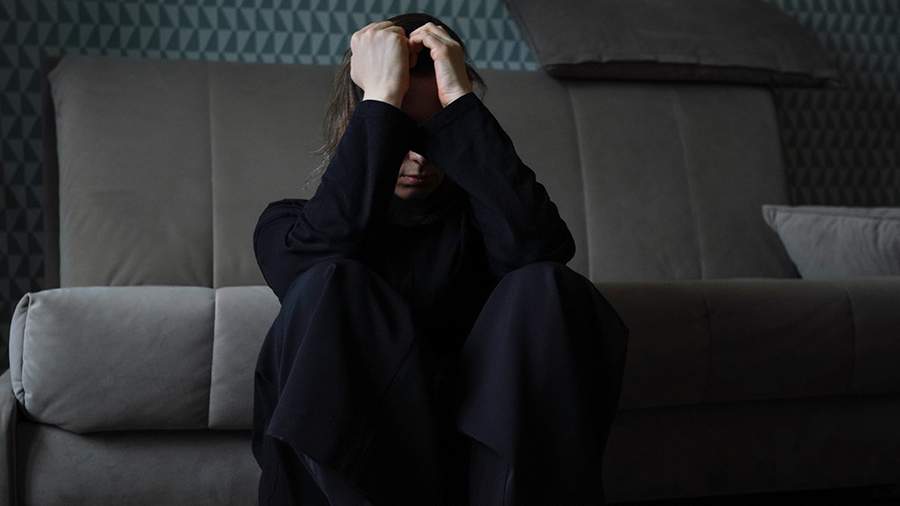
Stress is a state of psychoemotional and physical reactions of the body to various events, which, if prolonged, can have a negative impact on the physiological processes of the body. This was told to "Izvestia" on February 7 by doctor-neurologist of "Invitro" Anastasia Borodina.
She said that stress can be experienced not only from unfavorable events, but also from joyful ones, it is generally a normal reaction of any organism. Distress, in turn, is a condition in which the work of organs and systems of the body against the background of prolonged stress from the mobilized state to overcome stress begins to break down, which increases the risk of adverse effects on the body.
"Against the background of prolonged stress there is a prolonged activation of sympathoadrenal and hypothalamic-pituitary-adrenal systems, which leads to exhaustion of the body," - specified the specialist.
According to scientific studies, stress can aggravate back pain in 16% of cases, as well as chronic stress reduces the function and number of neurons in the brain, especially in the structure of the hippocampus - the area of the brain responsible for memory and emotions. This is one of the earliest brain changes in Alzheimer's disease, manifested by significant cognitive decline.
"Most commonly, patients may note decreased concentration and memorization of new information, lowered mood background, irritability and restlessness, rapid fatigue and general weakness regardless of mental and physical activity, sleep disturbance, general muscle tension and inability to relax, headaches, tachycardia and increased blood pressure numbers, gastrointestinal disorders, and body weight changes," the doctor added.

Any prolonged stress, noted the interlocutor of the publication, can also provoke a decrease in the compensatory systems of the body, a decrease in immunity and exacerbation of chronic diseases of the person, most often: cardiovascular, gastrointestinal, nervous, endocrine and immune systems of the body.
"In addition to exacerbations of diseases, some correlation of chronic stress with changes in the composition of subpopulations of T-lymphocytes, which are markers of biological age, which is expressed in a more accelerated aging of the immune system, increased risks of cardiovascular, infectious and cancer diseases. Therefore, it is important to know how to cope with stress, and learn to relax properly, without ignoring the help of psychologists and psychotherapists, "- summarized Borodina.
Earlier, on January 30, were published the results of the research platform "Zen", according to which more than half of the surveyed Russians assess their stress level as average or above average. The most popular way to combat anxiety was watching or reading entertainment content.
Before that, on January 29, analysts of the Moneyplace service (part of the Kontur ecosystem) told Izvestia that Russians spent more than 4 billion rubles on anti-stress toys last year. This is 81% higher than in 2023 and 126% higher than in 2022.
Переведено сервисом «Яндекс Переводчик»
