The Netherlands has banned civil servants from using DeepSeek

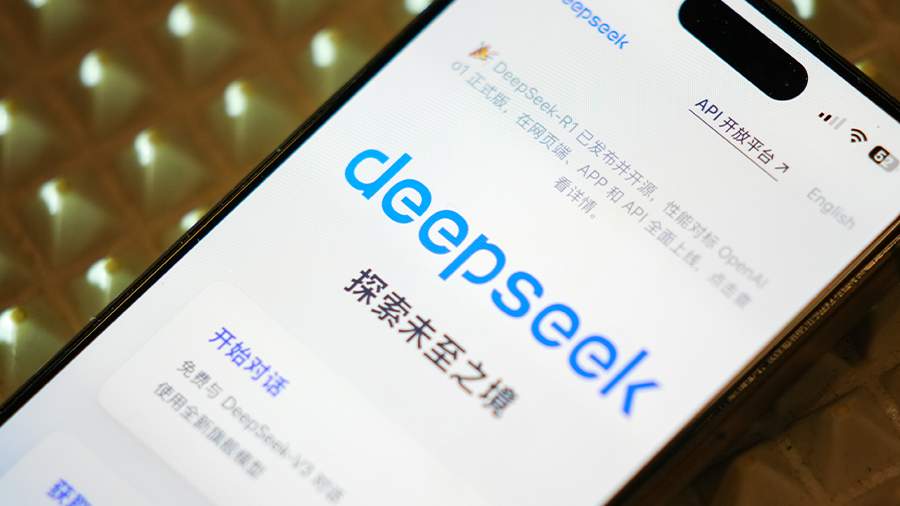
The Dutch government has banned the use of Chinese chatbot DeepSeek for civil servants. This was reported by NOS on February 6.
According to the broadcaster, the decision was made by the Secretary of State for Digitalization Zsolt Szabo. He stated that DeepSeek is vulnerable to espionage.
The Dutch Data Protection Authority (AP) urged the Dutch public to use the chatbot with caution. It also recommended against uploading information from other people to DeepSeek.
On the same day, it was reported that the South Korean ministries of trade, foreign affairs and defense will block access to DeepSeek on their computers. This decision is due to the desire of the ministries to avoid possible leaks of critical information through generative artificial intelligence (AI) services.

Earlier, on January 30, the American cybersecurity company Wiz reported the leak of confidential DeepSeek data into the public domain. At the same time, employees of the US company were not looking for the Chinese startup's base purposefully: they wanted to research the neural network and found the leak. Importantly, in late January, the Chinese neural network DeepSeek-R1 became one of the most popular applications, bringing down Nvidia's shares by $600 billion.
Bloomberg reported on January 31 that the White House, the U.S. Federal Bureau of Investigation (FBI), OpenAI and Microsoft had launched an investigation into DeepSeek because its developers allegedly illegally accessed ChatGPT AI data and used the neural network to train their own.
The DeepSeek platform is developed by a company of the same name, which was founded in 2023 in Hangzhou. It is owned by High-Flyer, a Chinese hedge fund focused on using AI to develop algorithms for securities trading. The chatbot is available to users around the world in both mobile app and web page formats.
Переведено сервисом «Яндекс Переводчик»
