
"The airport in Uganda poses a risk of Ebola spreading"

Stanislav Strastanov, a Russian scientist and health analyst, found himself in Uganda during the outbreak of Ebola in the country. According to him, Entebbe International Airport is overloaded, and passengers are manually screened at checkpoints, which, in turn, creates additional risks of spreading the infection. The first people infected with fever arrived in the country by plane. At the same time, the local population often neglects basic hygiene measures, and climatic conditions contribute to the more frequent occurrence of epidemics. The scientist spoke about how Ugandans live in conditions of the spread of one of the most dangerous viruses in an exclusive interview with Izvestia.
"Favorable conditions for the spread of bacteria and viruses"
— How did you end up in Uganda during the Ebola outbreak?
— We arrived there in April as independent consultants in the field of sanitation and hygiene to assess the situation with the availability of clean water. In three weeks, we traveled all over Uganda and visited areas where even many locals might not reach. The country has very favorable conditions for the spread of bacteria and viruses that are dangerous to humans. At the same time, the regions differ markedly in their specifics.

The metropolitan area around Kampala has a very high population density. In addition to respectable areas, there are also slums, where about half of the city's population lives in conditions of overloaded infrastructure and sewage problems. Even outwardly, these places look untidy, although it should be noted that in recent years the situation has become noticeably better. Our group returned to Russia on May 1, when there was no information about the outbreak of Ebola hemorrhagic fever. I've already passed my incubation period, I haven't had any symptoms, and I feel good.
— How did the Ebola outbreak develop in the country?
— An outbreak is usually considered to exceed the number of cases of certain thresholds. However, in cases of particularly dangerous infections, isolated cases of infection are considered an outbreak requiring drastic measures. Outbreaks of Ebola are periodically recorded in Central and West Africa. Epidemics are periodically observed in the region due to favorable conditions for the existence of bacteria and viruses, some sanitary and other problems. As part of the latest outbreak, infections began in the Democratic Republic of the Congo, but were soon brought to Uganda. It is separated from the neighboring country by Lake Albert and shares a land border with it, but the first cases of the disease were reported in the capital, Kampala, among travelers who arrived from the DRC, probably by plane.

— Now the Ugandan authorities are taking measures. For example, the border with Congo was closed. Could it work?
— Of course, if the land crossings are closed, the flow of people, including those infected, will decrease. But using the example of the coronavirus pandemic, we have seen that the disease can spread even under such restrictions. Especially when there are airports, and infected people can fly not directly from DR Congo, but also in transit through other countries.

— Is there any control over whether passengers' health is checked?
— When we left, it was not visible from the outside that measures were being taken at the airport to identify and isolate sick people. However, information about the outbreak appeared only in May, and we flew back in April. There may be some thermometry sensors, but we didn't notice them in the rush to get on the flight. Uganda's Entebbe Airport poses a danger as a place of Ebola spread. This is a very small building with a huge number of passengers standing in the back of each other's heads in four long queues. There are three security cordons there. All with the obligatory passage of things through an introscope, that is, manual inspection of things, plastic containers for things. I don't know how justified this approach is by anti-terrorist measures, but from the point of view of epidemiological safety, including the spread of Ebola and other diseases, it is unlikely to be correct.
"Transmission occurs through household items, dirty laundry"
— How could the infection have spread further after the airport and how are the authorities fighting it?
— The disease spreads in various ways, including sexual. Sexually transmitted diseases, including HIV, are very common in Uganda. It is also transmitted through household items, dirty laundry, contact with saliva and any biological fluid. Locals treat possible infections as fatalists and are not inclined, for example, to wash their hands with soap before eating.

Today, there are vaccines against Ebola hemorrhagic fever approved by the Ministry of Health, WHO and the FDA, but their effectiveness has been proven for the Zaire strain, which is considered the most deadly, and the same situation applies to specialized drugs for treatment. But there is no approved vaccine or specialized drugs for the currently widespread Bundibugio variant.
Uganda is counting on assistance from the outside world. I believe that a group of Russian specialists sent to the country by Rospotrebnadzor can provide important assistance. Moreover, in this situation it is important to demonstrate the flag of the Russian Federation. We are officially invited there, they are waiting for us and they really ask us to come.
— How much medical care and medicines are available in the country?
— We have seen several hospitals. In my opinion, the quality of medical care will strongly depend on the financial capabilities of a particular person. Just like everywhere else in the world. There are a lot of pharmacies, they seem to be in all shopping malls and at all major intersections.

With Ebola, symptomatic treatment is extremely important: receiving fluids and electrolytes to maintain the water-salt balance, medications to control blood pressure, antipyretics, medications to reduce vomiting and diarrhea — this significantly increases the chances of survival.

At the same time, it will be extremely difficult to organize adequate care at home, isolated boxes are needed, and the participation of qualified medical personnel is necessary, at least so as not to get infected yourself. It is considered to be the best medicine in Kampala. Russians living in Uganda, in case of any problems, recommended contacting one of the capital's clinics, where a Russian doctor works.
— How often do difficulties with access to water in the country cause epidemics?
— Ebola is not transmitted through water, although it spreads through biological fluids. However, water problems cause outbreaks of other diseases. Acute intestinal infections and parasitic diseases pose the main threat to health. The consumption of raw, polluted water or unwashed products leads to the development of severe bacterial and viral infections, including cholera, which causes severe dehydration in regions with a shortage of sanitation, as well as typhoid fever, dysentery.

The lack of clean water provokes the spread of enterovirus diarrhea and trachoma, an infectious eye lesion that leads to complete blindness without timely treatment. The situation is complicated by dangerous parasitic diseases. For example, Lake Victoria is home to dangerous parasites that may cause bladder cancer in the future. On the way from the airport and back, we watched children swimming in this lake.
The country has a high infant mortality rate, including from diarrhea, upper respiratory tract diseases and parasitic infections. To combat these diseases, it is important not only to solve the problems of sanitary and hygienic infrastructure, but also to conduct awareness-raising activities among the population.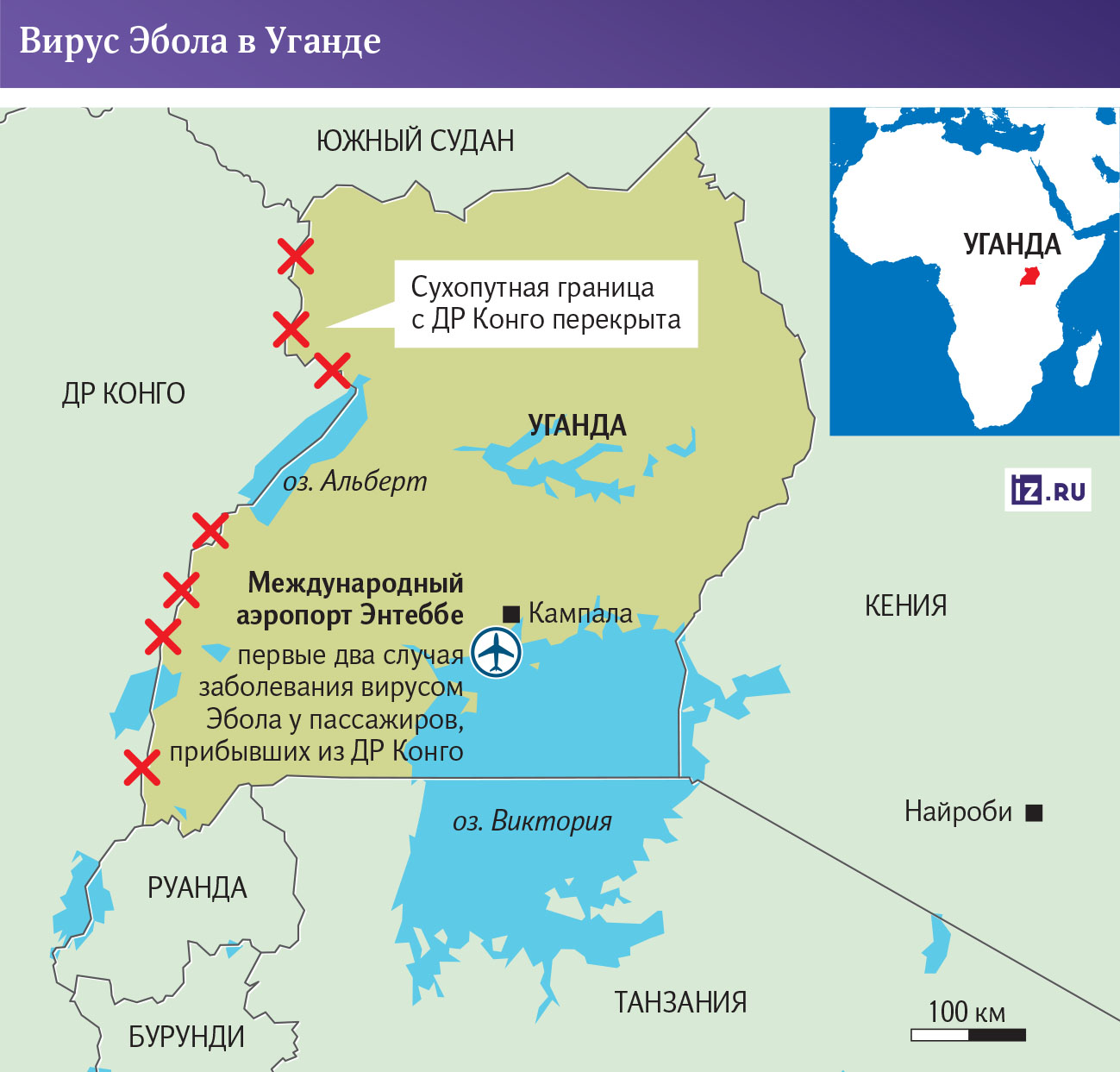
Переведено сервисом «Яндекс Переводчик»
