- Статьи
- Science and technology
- Facial calculation: DNA analysis helped to restore the appearance of people from the early Middle Ages

Facial calculation: DNA analysis helped to restore the appearance of people from the early Middle Ages

For the first time, Russian scientists have deciphered the DNA of representatives of the Ryazan-Oka culture of the 5th–6th centuries and restored their appearance. She is known from ancient burials in Central Russia, but the lifestyle and origin of her bearers have long remained a mystery. The data obtained will help historians to understand the origin of ancient warriors and their role in the formation of later peoples and states. According to experts, genetic analysis provides valuable material for historical research, and the reconstruction of appearance will allow for a better understanding of the ethnic composition of the population of past eras.
Restoration of appearance based on genetic characteristics
For the first time, MIPT scientists have deciphered DNA and restored the appearance of the speakers of the Ryazan-Oka culture of the 5th–6th centuries. It is known to archaeologists due to the preserved burial grounds in Central Russia. However, the exact details of her origin and lifestyle remain a mystery to historians. The study showed that the population was characterized by a complex composition that combined Western and Eastern European features, and also allowed us to identify its characteristic external features.
— We see that it was a heterogeneous population formed at the junction of different genetic streams — the Ural and Northeastern. The data obtained is an important contribution to the study of the ethnogenesis of the population of Central Russia during the Great Migration period," said Haris Mustafin, co—author of the study and head of the Laboratory of Historical Genetics, Radiocarbon Dating and Applied Physics at MIPT.
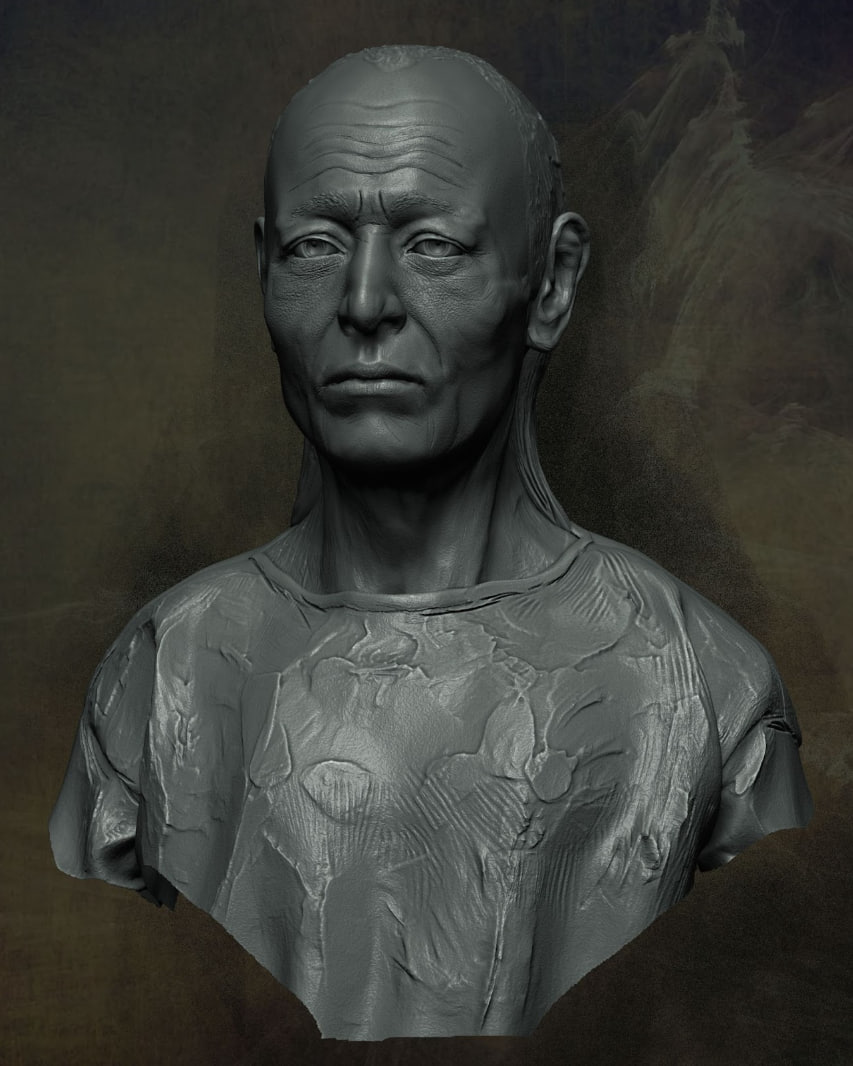
The Ryazan-Oka culture existed in the middle reaches of the Oka River. Its bearers maintained active contacts with the population of the Volga region, the Baltic States, the Black Sea region and Central Europe, as evidenced by the numerous objects found in the burials. This culture influenced the formation of such peoples as the Mordvins and the Meria, and was later assimilated by the ancient Russian population. Due to the poor preservation of bone remains, the genetic appearance of its representatives remained unknown for a long time. The new data make it possible to clarify their origin, connections with Finno-Ugric and Slavic tribes, as well as to present the appearance of the people who stood at the origins of the ethnic history of the region.

Due to the severe degradation of the anthropological material, the work with DNA was carried out in sterile conditions — in sealed glove boxes with an atmosphere of extremely pure nitrogen. This made it possible to exclude the ingress of modern DNA into the samples. As a result, the scientists were able to isolate and analyze the genetic material of 14 individuals from the burial grounds of the Middle Pooch region — Korablino, Undrich and Borok.
Value for history
Wide-genome sequencing was performed for the two best-preserved DNA samples, which allowed us to obtain comprehensive data on the genetic origin. The appearance of the speakers of the Ryazan-Oka culture was restored by genes responsible for external signs, as well as with the help of anthropological reconstruction of skulls — sculptural and graphic portraits were created.
— The analysis of Y chromosomes showed that the men belonged to different Eurasian genetic lines. And the study of mitochondrial DNA has shown even greater diversity. Ryazan-Okians have found both Western Eurasian haplogroups and East Eurasian haplogroups, which indicates active contacts with different peoples of Eurasia," said Haris Mustafin.
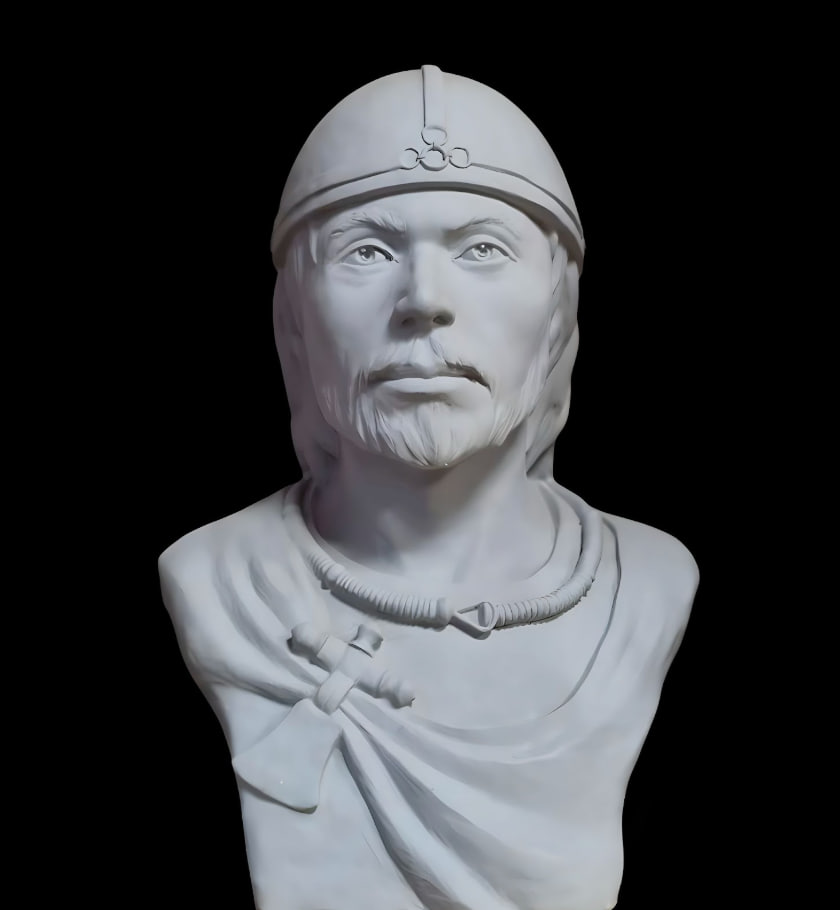
A detailed DNA analysis of the two individuals confirmed their genetic differences. One of them, presumably a warrior-leader, turned out to be close to both the peoples of the Volga-Ural region and the northeastern populations of Europe. The second, probably a cult member, buried in a birch bark mask, turned out to be genetically similar to modern Eastern European peoples.
Based on the analysis of genes, scientists assumed that the majority of the studied Riazans had blue eyes and blond hair. However, one man from a high—status burial turned out to be an exception - he was most likely red-haired and had dark skin.
The research was carried out in cooperation with the staff of the Institute of Anthropology and Ethnology of the Russian Academy of Sciences and the State Historical Museum.

Graphic reconstruction of the skull of a woman from the Borok 2 burial ground, profile
The Ryazan-Oka culture belongs to the pre-Slavic period, but some of its substratum could remain among the Slavic population and during the formation of Rus, explained Anton Gorsky, a leading researcher at the Institute of Russian History of the Russian Academy of Sciences.

— Ethnology and anthropology are traditionally engaged in restoring the appearance of ancient people. Previously, this was done on skulls, now DNA analysis has been used for this, which can increase the reliability of these studies," he told Izvestia.
DNA research, like other natural science methods, is extremely useful for historians. New technologies make it possible to interpret genetic analysis data using artificial intelligence. When reconstructing the appearance of ancient people, it is important not to make mistakes, but their reliable appearance is very important for studying the ethnic composition and origin of peoples, added Denis Gergilev, Acting Director of the Institute of Russian History of the Russian Academy of Sciences.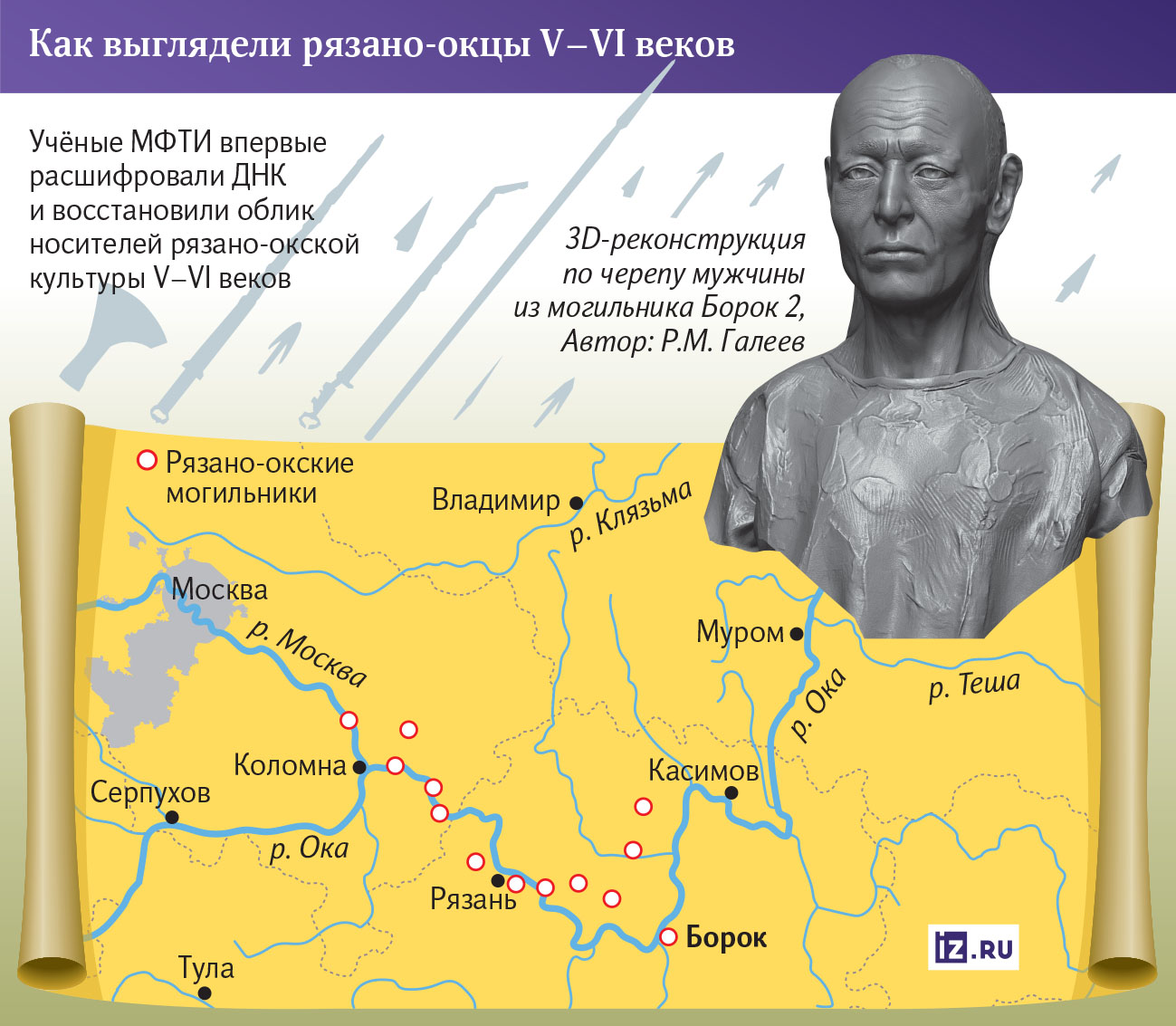
Переведено сервисом «Яндекс Переводчик»
