Book additions: how the non-fiction fair tries to interest readers


Despite the alarming headlines in the newspapers, Russians continue to actively read and buy books. This is clearly demonstrated by the winter non-fiction fair, which brings together publishers and readers under one roof for the 27th time. Despite the rise in prices for printed products, interest in books — including collectibles — has not decreased. How Asian authors are conquering the Russian audience, why the demand for travel guides to Russia and literature about their homeland has grown, what challenges publishers are facing and what Pinocchio will look like in the new film adaptation — in the Izvestia material.
What is non-fiction?
Non/fictio Book Fair No. 27 is one of the key events in cultural Moscow. In December, the stands of about 400 publishers, from the largest players to small studios, were deployed in Gostiny Dvor. In four days, more than 300 events will take place at 13 venues: meetings with Russian and foreign writers, actors, directors and illustrators.
Each booth has dozens of visitors per minute. As you know, the fair attracts not only the availability of publications, but also discounts on products. Although the books themselves have also increased in price this year. According to the AST publishing house, the reason is the increase in production costs.
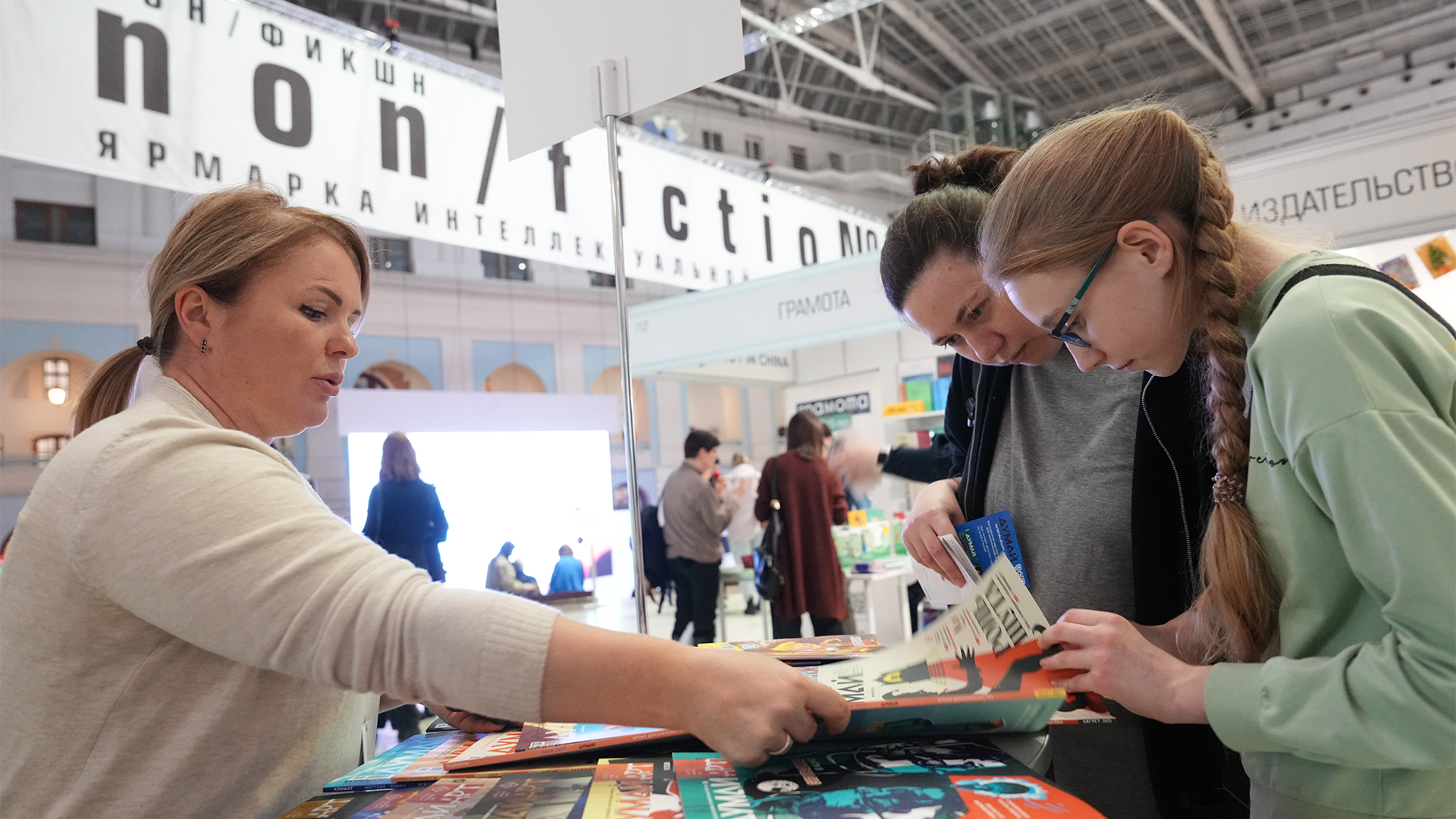
— The cost of production, logistics costs, warehouse costs are growing, and we would also like to raise employee salaries. The price of the book also includes the cost of electricity," Alexey Ionov, head of copyright brand promotion projects in the fiction department of the AST publishing house, told Izvestia.
Of course, you can always find the same book on marketplaces and even save a lot. For example, Alexandre Dumas's two-volume book "The Count of Monte Cristo" can be purchased in paperback at the Eksmo stand for 1,450 rubles, and on the marketplace for 980 rubles.
However, publishers try to keep readers with bonuses.: Bombora, for example, offers 25% discounts on all products and gives coffee or mulled wine when buying two books.
According to publishers, the demand for "cozy" and therapeutic literature is steadily growing.
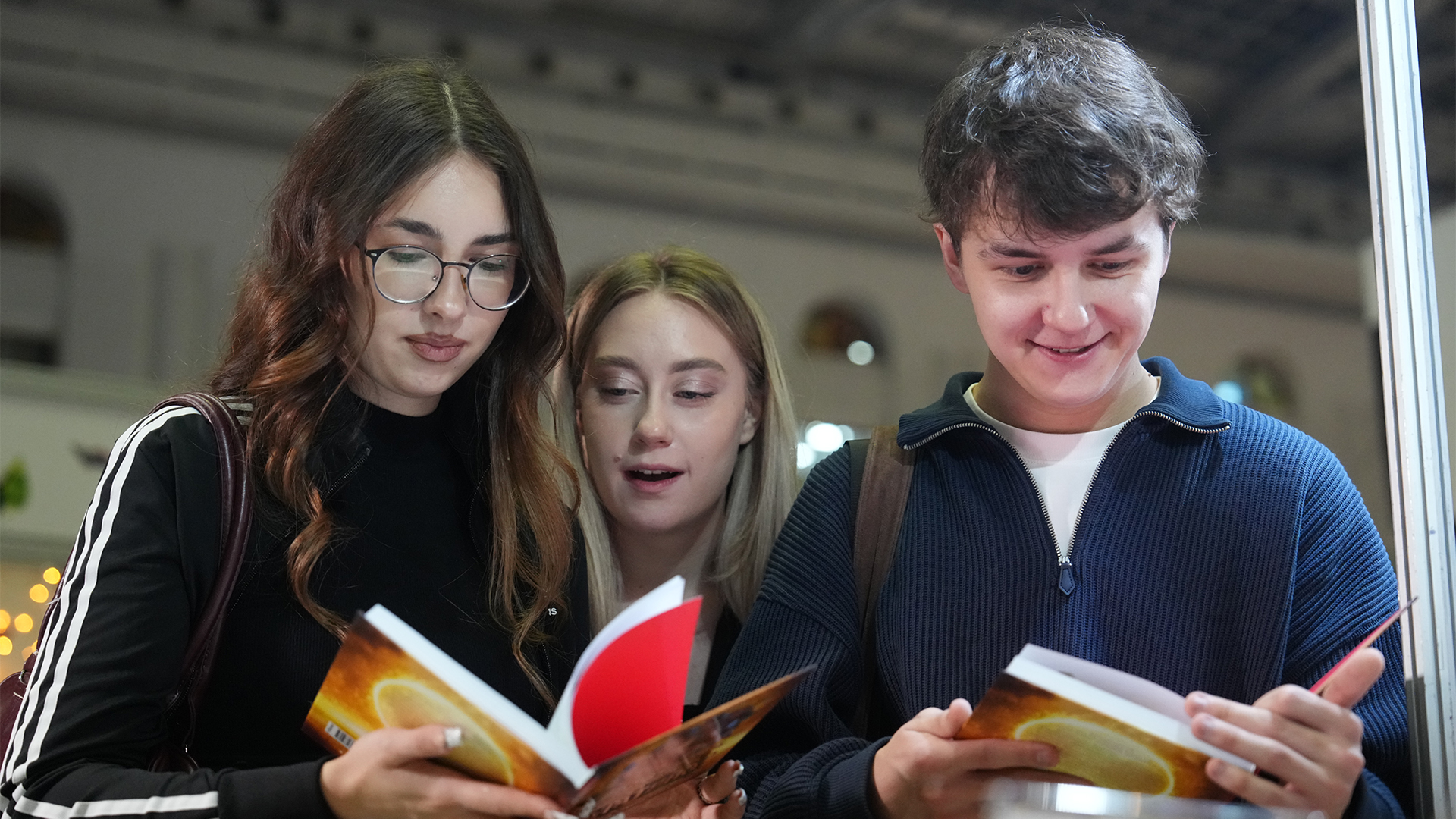
— For several years, we have seen an increase in interest in a book about self—care, from soft practices to financial literacy. People want to understand how to save money, where to invest it, and how to manage it," said Maxim Zemskov, Senior Media Relations Manager at Bombora Publishing House.
Another trend is travel guides and albums about Russian cities, books on architecture in Moscow, St. Petersburg and the regions. The growing interest is attributed to the restrictions on foreign tourism and the return of attention to travel in Russia.

What else do Russians want to read about
While some are trying to find a cozy world in literature, others, on the contrary, prefer to keep their finger on the pulse and read about THEIR OWN.
— We are witnessing an interest in patriotic literature. Our editorial office of KPD, for example, is engaged in a variety of areas of patriotic prose, there are books about ITS authors, veterans or direct participants in a special military operation, and military classics, and historical prose," Alexey Ionov told Izvestia.
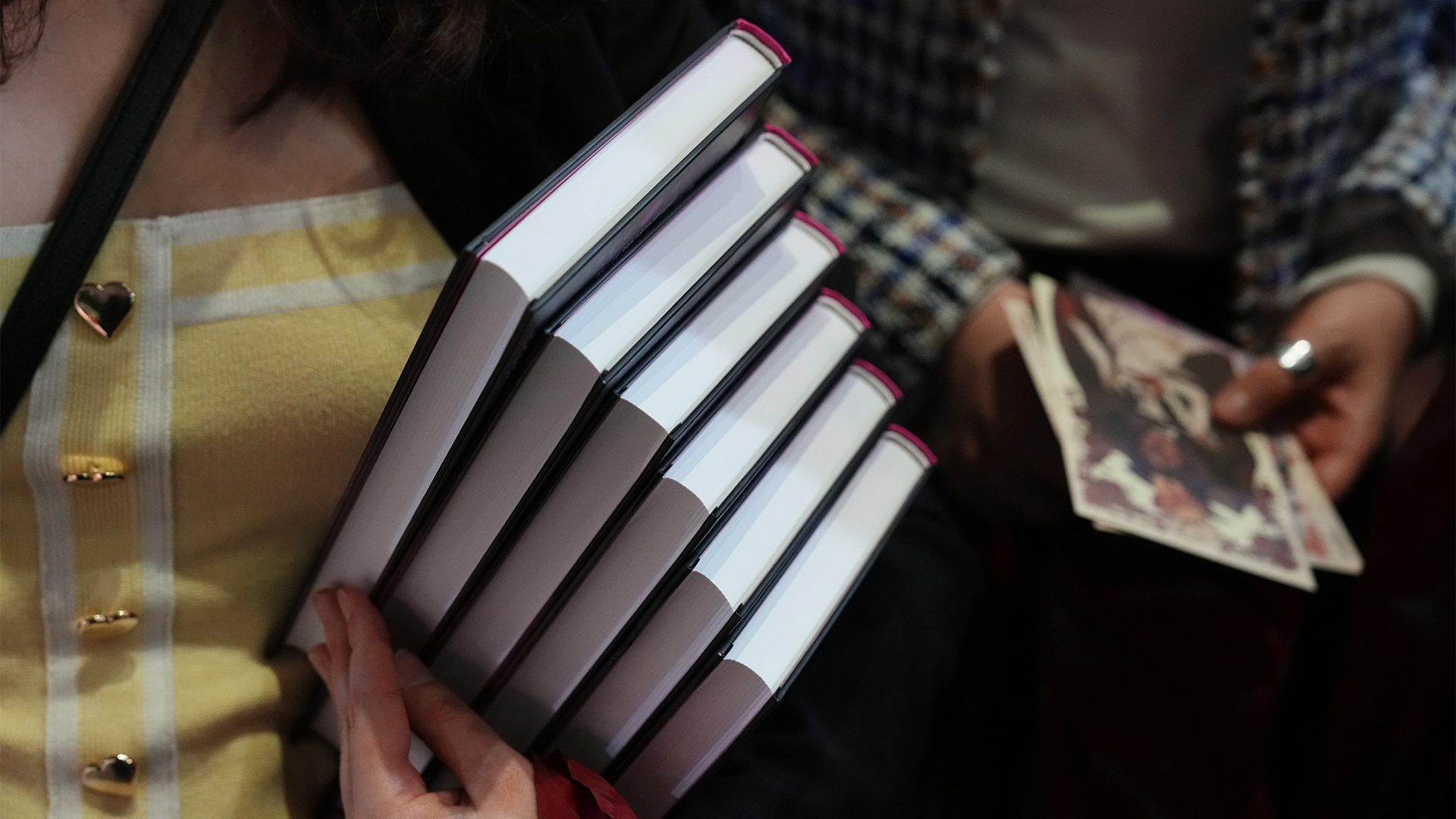
Another general market trend is the strengthening of the position of Asian literature. Publishers are actively expanding cooperation with Korean, Japanese and Chinese authors, releasing manga and graphic novels based on famous works.
— We are seeing a real boom. The author of The Courier came to us, and Genki Kawamura's books are steadily becoming hits. His new novel, The Man with a Million, is already among the leaders. "If all the Cats in the World Disappear" was the best-selling foreign title in 2024, Zemskov notes.
Books in support of the premiere of the film "Pinocchio"
A separate segment is children's literature. Swallowtail presented both classic books — "The Little Prince", Bazhov's fairy tales, and children's series by Korean authors: Ida Ha's comics "The Girl Detective" and Hong Min Jong's "The Assistant with Paws." You can even find manga based on Louisa May Alcott's bestseller "Little Women" at the fair.
Special attention was paid to "Pinocchio" by Alexei Tolstoy. Especially for the New Year's release of Igor Voloshin's film, Swallowtail has released four additional editions. Two of them are posters of the film in large and reduced formats with a circulation of 12 and 7 thousand copies, as well as The ABC of Pinocchio and an abridged version by Alexei Tolstoy with classic illustrations.
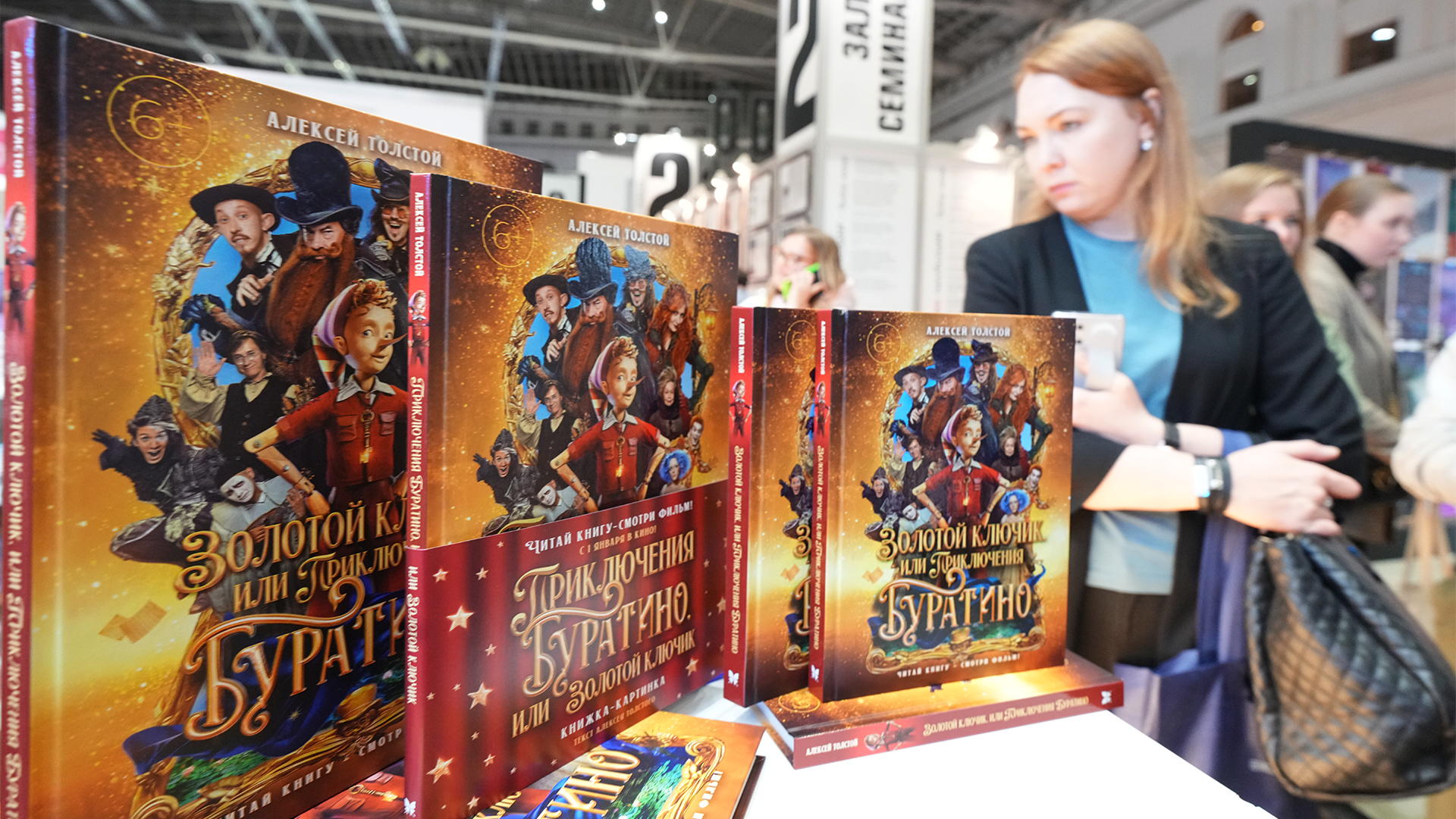
According to Oksana Fesenko, the editor-in-chief of the publishing house, before taking the book for sale in support of the film, they asked to read the script in order to decide on a decision.
— After reading it, I realized that this is a brilliant script. It is very suitable for the modern world and modern children. I've read Pinocchio a thousand times and I know it by heart, but after reading the script, I really believe that modern children will understand and love it," Fesenko told Izvestia.

According to creative producer and co-author of the script Aksinya Borisova, technology has literally changed the very nature of the character.
— We were able to make Pinocchio a real wooden boy. They treated him not as a conventional fairy-tale character, but as a creature that could go outside and cause surprise. We wanted to tell the story that everyone has a special feature. It doesn't need to be hidden. Our Pinocchio inspires us to go into our otherness openly and boldly," Borisova told Izvestia.
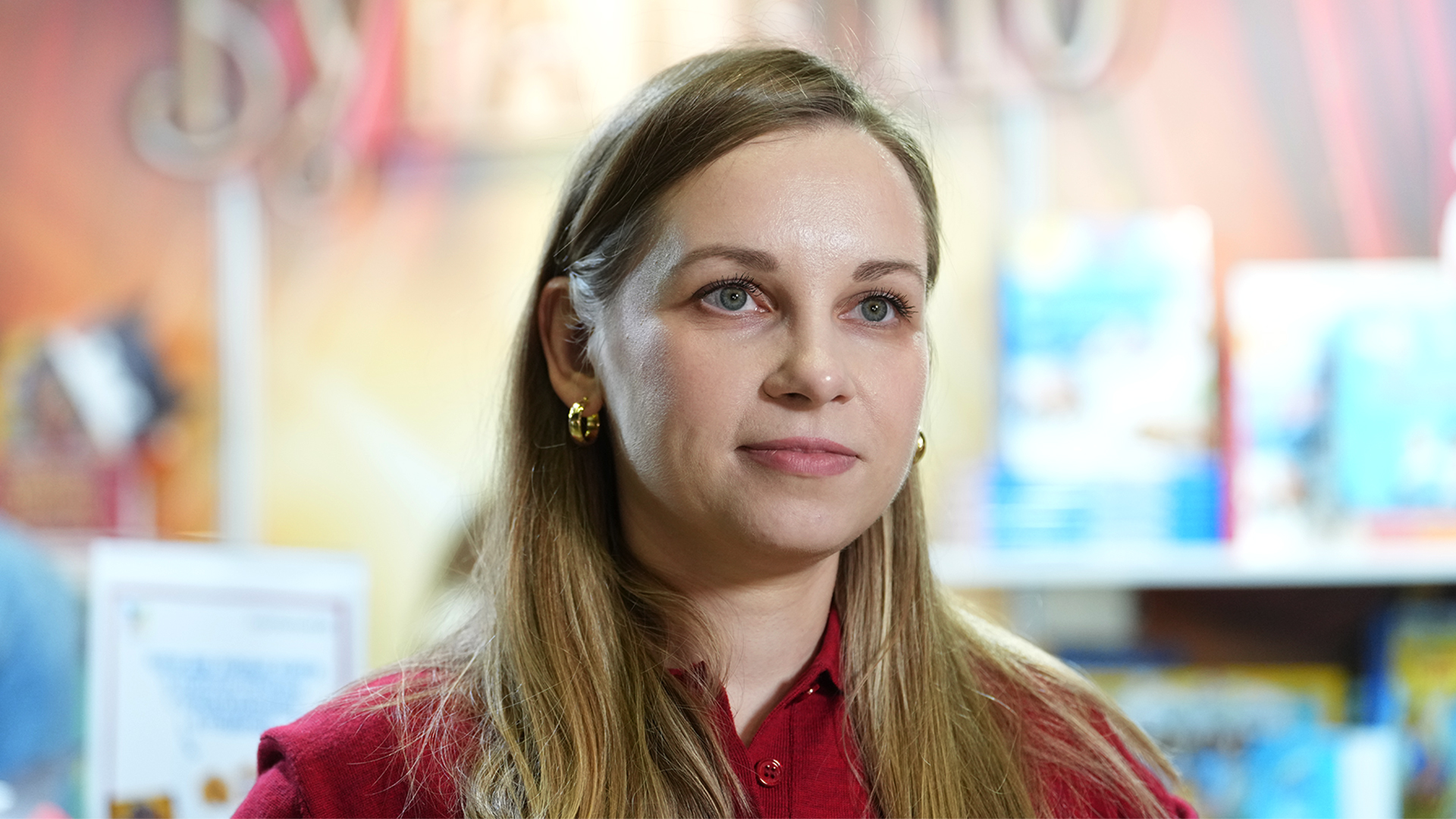
Despite the update, the creators emphasize a careful attitude to the canon. Before filming, they even assembled focus groups and found out if it was possible to change a particular detail, such as the red cap. And this is important: Tolstoy's text remains part of the cultural code, although there is a place in it not only for goodness, but also for lies, fraud and gambling. The film has already generated a surge of interest in the book. Swallowtail is preparing to print additional editions.
Переведено сервисом «Яндекс Переводчик»
