Mice and muscles: unique rodents will help in the treatment of congenital myodystrophy
- Статьи
- Science and technology
- Mice and muscles: unique rodents will help in the treatment of congenital myodystrophy


For the first time in Russia, scientists have created a severe model of Duchenne muscular dystrophy in rodents, which is as close as possible to the pathology in humans. Using this model, the authors experimentally proved that a drug that blocks the channel for calcium to enter the mitochondria, the energy stations of the cell, slows down the disease. In animals, muscle strength increased by 40%. The discovery will help develop new therapies aimed at maintaining the proper functioning of mitochondria in muscle cells, experts say.
What is the danger of Duchenne muscular dystrophy?
Researchers from Mari State University (Yoshkar-Ola) and colleagues have made a breakthrough in creating a cure for Duchenne muscular dystrophy, a hereditary disease that occurs due to a deficiency in the body of the protein dystrophin. This protein plays a key role in protecting muscle fibers from damage during contractions. Its absence leads to excessive calcium intake into cells (calcification), chronic inflammation, fiber death and their replacement by connective and adipose tissue. This, in turn, leads to progressive weakness and loss of motor functions. There is currently no effective therapy for this pathology.
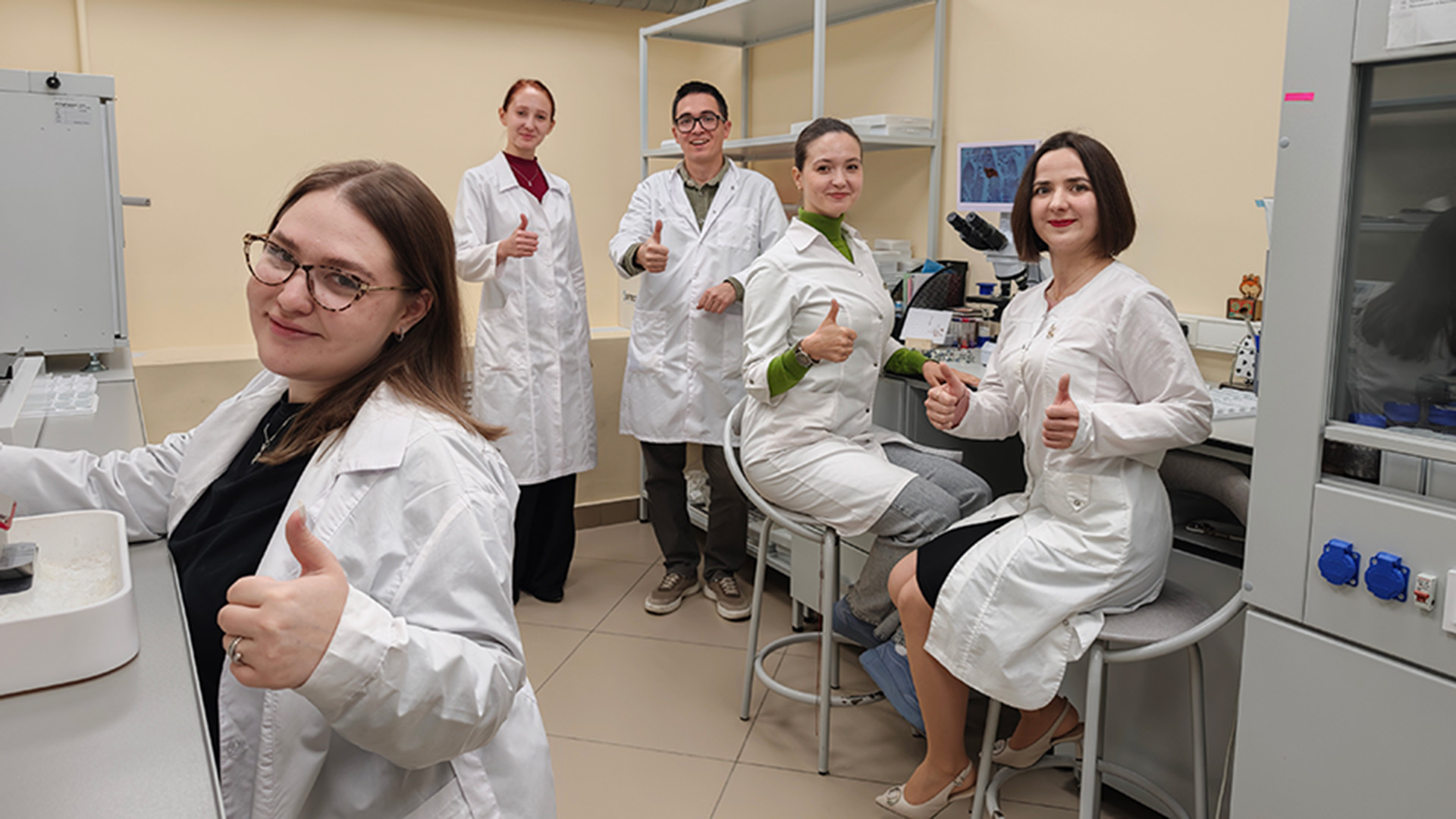
The researchers focused on the secondary mechanism of the disease development — the dysfunction of mitochondria, the "power plants" of the cell. They suggested that protecting mitochondria from excess calcium could slow down the development of pathology. To prevent damage to these intracellular structures, the authors used the newly synthesized compound VBIT-4, which blocks the mitochondrial protein VDAC, involved in calcium transport.

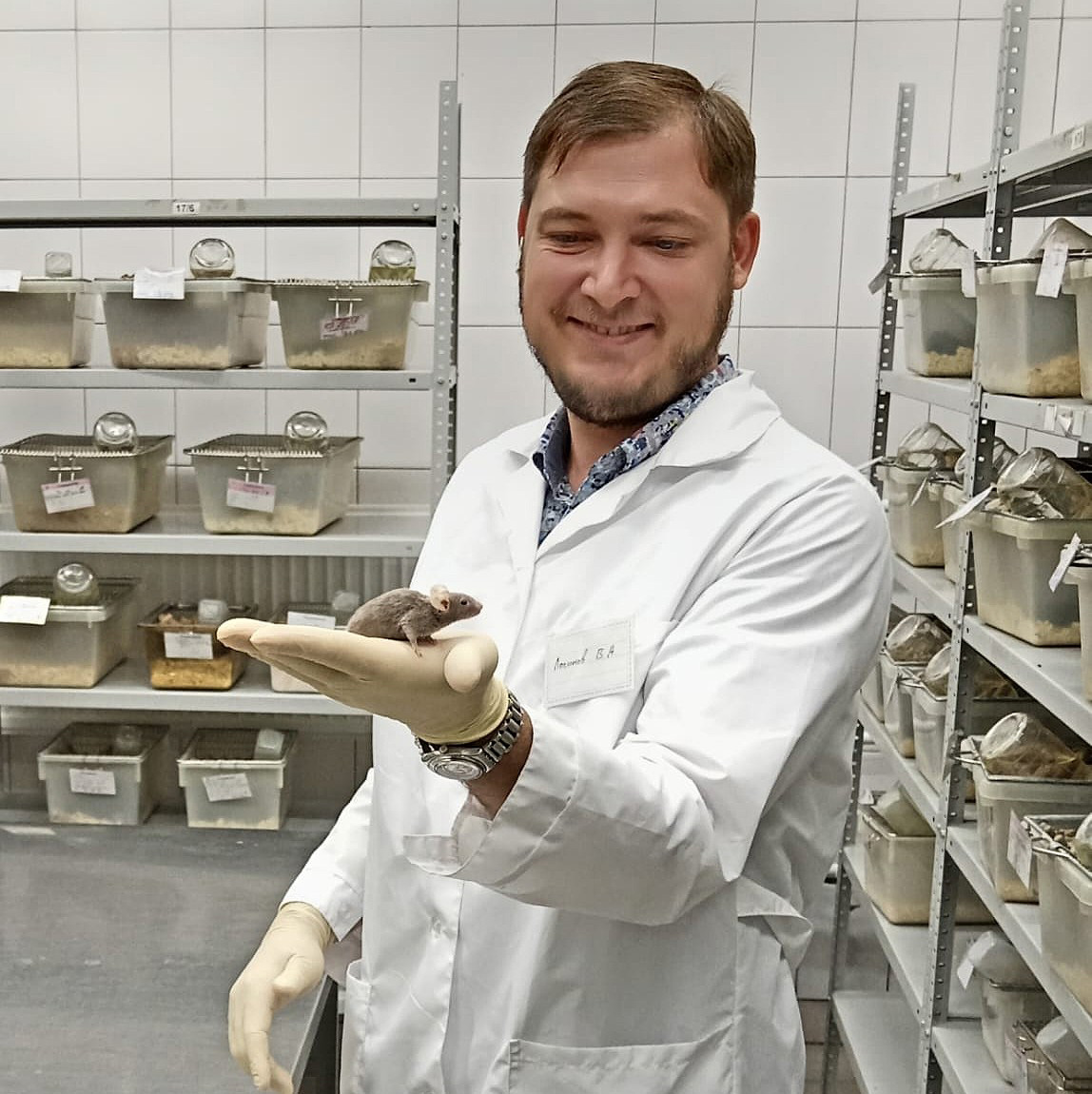
An important breakthrough in the work was the creation of a new experimental model of the disease for Russia — mice of the D2.DMDel8-34 line. Previously, the country mainly used a model with moderate symptoms of the disease, which poorly reproduces the severe course of Duchenne myodystrophy in patients.
— Together with colleagues from the Institute of Gene Biology of the Russian Academy of Sciences, we have characterized a new model of Duchenne dystrophy. We transferred the deletion (absence of a specific fragment) in the dystrophin gene to the genetic background of the DBA/2 mouse line, known for its reduced tissue repair ability. This allowed us to obtain animals with a severe progressive course of the disease, including severe calcification, fibrosis (replacement of healthy tissue with scar tissue) and muscle weakness. This is critically important for the correct assessment of potential therapy options," Mikhail Dubinin, Doctor of Biological Sciences, Professor at Mari State University, told Izvestia.

The first mice with severe myodystrophy in Russia
The scientists conducted experiments on three lines of laboratory mice: healthy, with moderate symptoms of the disease and a new line with a more severe form of Duchenne muscular dystrophy, which more accurately reproduces the course of the disease in humans. Half of the animals from each group were injected intraperitoneally with VBIT-4 for a month, while the rest received a placebo instead of the drug. Observations have shown that the drug significantly improved the condition of muscles in sick rodents. Thus, in animals with severe myodystrophy, the amount of calcium in the mitochondria decreased by about 15%. This had a positive effect on the condition of the muscles: their structure improved, calcium deposition in the tissue decreased and the area of fibrosis decreased.
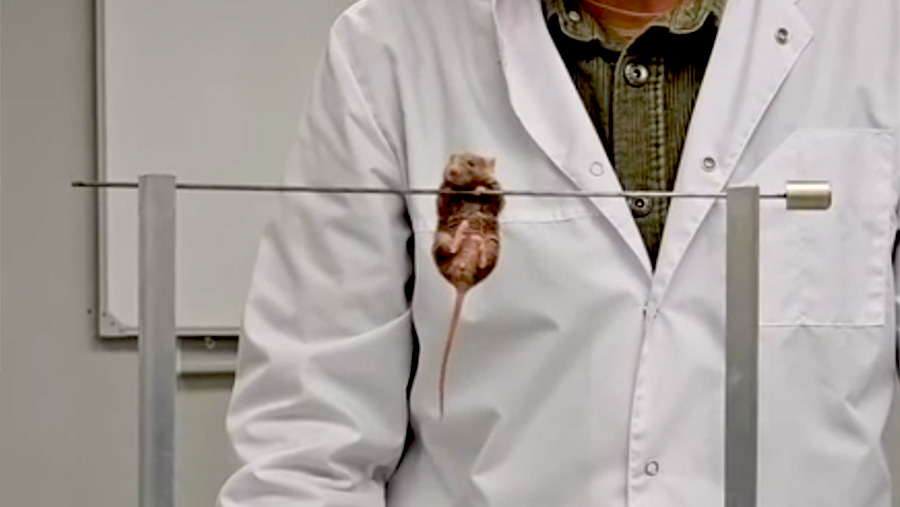
In addition, the authors assessed the muscle strength of the studied animals. To do this, an experimental setup was used to measure how strongly the rodents grab a thick wire with their front paws. It turned out that injections of VBIT-4 increased muscle strength by 40% in animals from the group with a severe form of the disease. In mice with moderate symptoms of the disease, there were no obvious differences when taking or not taking the drug. The authors explain this by the fact that with a similar level of damage, the muscles of the tissue still have sufficient self-healing ability, which masks the positive effect of VBIT-4.
"We have demonstrated for the first time that therapy aimed at protecting mitochondria from calcium overload can alleviate the symptoms of Duchenne muscular dystrophy. Our work not only opens up prospects for the development of new therapies, but also highlights the importance of using relevant heavy models for preclinical trials. In the future, we plan to evaluate the combined effectiveness of using genetic therapy (aimed at eliminating the root cause of the disease) and mitochondrial therapy (aimed at maintaining cell energy) on the models we have created. We believe that a combined approach may be the most effective in combating this complex disease," Mikhail Dubinin added.

For the first time, scientists have created a model of the severe course of Duchenne myodystrophy in mice, which is important for proper drug testing. In addition, they showed that the VBIT-4 molecule, by blocking the mitochondrial VDAC channel, reduces calcium overload and fibrosis, improving muscle function, Albert Rizvanov, head of the Personalized Medicine Center of Excellence at Kazan (Volga Region) Federal University, told Izvestia.
— The gene drug Elevidys, which delivers microdystrophin using a viral vector (AAV), has already been approved in the world, but its clinical effect is still very moderate. In a key study, the advantage on the NSAA scale has not reached statistical significance, and regulators continue to closely monitor the safety profile. But even such a drug has been registered, as there are simply no other options for patients. Against this background, the combination of etiotropic gene therapy, that is, correcting the root cause, with pathogenetic therapy developed by Russian scientists, mitigating the effects of mutation, looks the most promising.
Scientists have shown in a mouse model that the drug VBIT-4, which protects mitochondria from excess calcium, significantly slows down the destruction of muscle fibers, said molecular biologist Arina Kholkina. In the treated mice, calcium accumulation decreased, the area of fibrosis decreased, and muscle strength increased by almost 40%.
"This indicates that maintaining the functioning of mitochondria helps to maintain the functionality of muscle tissue for longer and may become a promising area for future treatments for Duchenne muscular dystrophy," she noted.
Researchers from the Institute of Theoretical and Experimental Biophysics of the Russian Academy of Sciences (Pushchino), the Institute of Gene Biology of the Russian Academy of Sciences (Moscow) and the Institute of Cell Biophysics of the Russian Academy of Sciences (Pushchino) participated in the study.
The results of the study, supported by a grant from the Russian Science Foundation (RSF), are published in the International Journal of Molecular Sciences.
Переведено сервисом «Яндекс Переводчик»
