
Underground entrance: how gray schemes turn Moscow basements into apartments

The market for "basement apartments" — rooms of 10-20 square meters - is actively developing in Moscow. meters, often even without windows, are sold to those who want from 3-4 million rubles. But criminal schemes are often behind such objects, residents of houses where such real estate appeared told Izvestia. For the sake of redevelopment, protocols of general meetings of residents are forged, the Housing Code and SanPiN norms are violated, and the purchase of basements without their knowledge is illegal, they claim. In addition to apartments, warehouses and shops are often set up in basements. Experts estimate the market for such real estate at tens of billions of rubles. Who is behind such a business, how gray schemes are legalized, including avoiding responsibility for possible forgery of documents, is in the investigation of Izvestia.
Basement for rent
The center of Moscow, Donskaya Street, is a five—minute walk from the Shabolovskaya metro station, one of the prestigious districts of the Russian capital. Quiet green courtyards, houses no higher than ten floors.
Residents of at least two houses in the area have been defending their rights to basements in the courts for several years. According to residents of house 24 on Donskoy Street, in 2019 they suddenly learned that the basement of their house had been bought by a certain organization and no longer belonged to them. Now a bike shop is open in one of the basement rooms, the second one is empty and, according to residents, has become covered with mold from the inside.

The entrance to the basement at 24 Donskoy Street, cut down by the owner of the premises, bypassing the agreement with the tenants
— The basement was illegally removed from our shared property, as it was necessary to hold a general meeting of the owners. Initially, the basement was privatized by Moscow back in the 90s, but then it was bought by an entrepreneur who began to earn money by renting out the premises, lawyer Alexey Tikhomirov, chairman of the house council, told Izvestia.
He recalled that it is forbidden to place warehouses of any products, retail outlets, etc. in the basement where communal communications take place, as this violates both the Housing Code and the requirements of the SanPiN.
The main document regulating the status of basements in apartment buildings is the Housing Code of the Russian Federation, including Article 36 "Ownership of the common property of owners of premises in an apartment building."
According to it, basements with utilities connected to more than one room in the house are the common property of all apartment owners in the house, and it can be transferred to third parties only with the consent of the owners at a general meeting.
The Code also defines that consent in this form is necessary when reducing the area of a room by remodeling it.
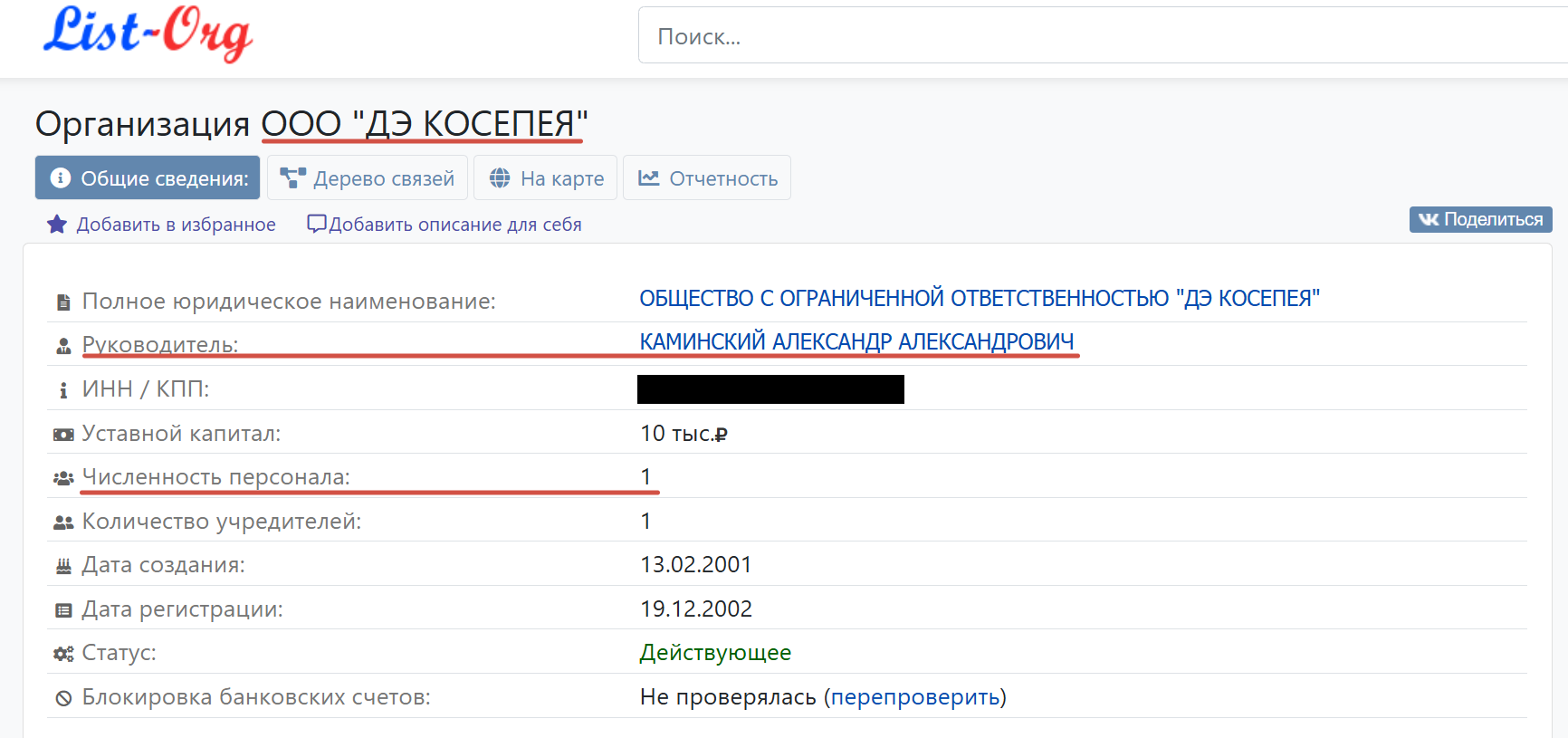
As Izvestia found out, the basement in this house was bought by De Kosepeya LLC, whose founder is Alexander Kaminsky. The organization has the type of activity "production of general construction works", it has only one employee — the founder himself. Kaminsky posted advertisements for the rental of premises on Avito, CYANE and other similar sites.
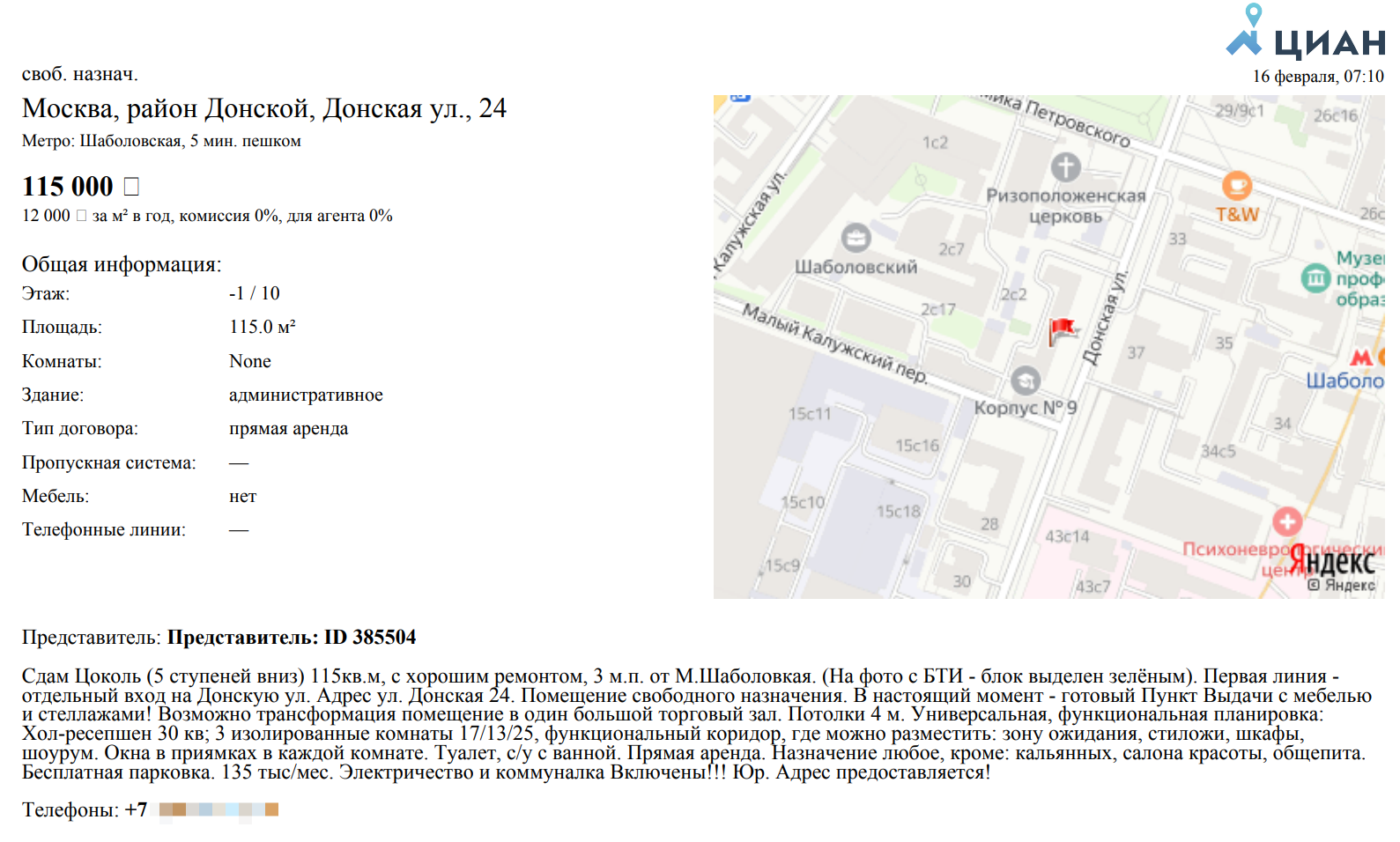
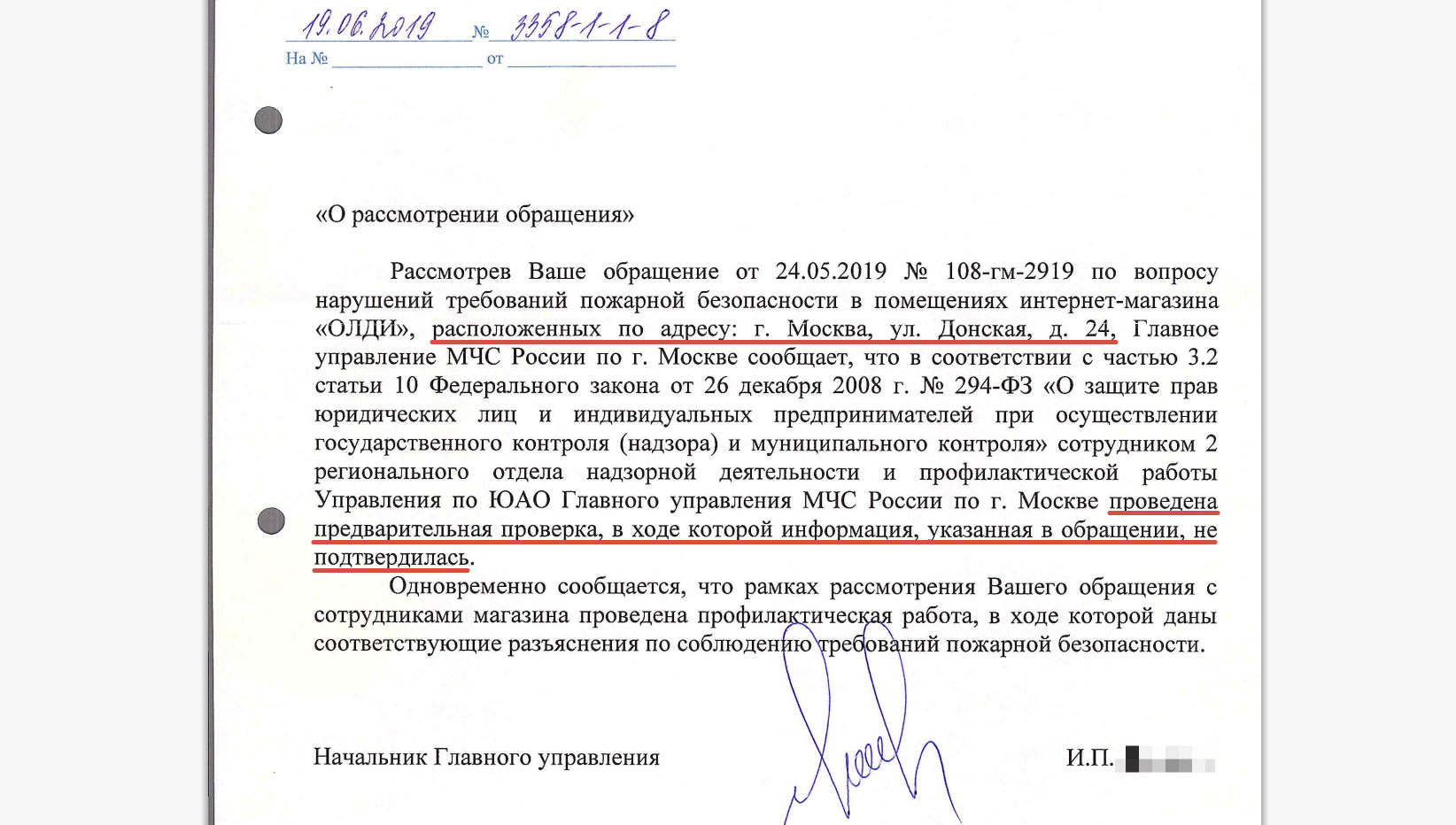
Thus, in a non-residential and purely technical room with an area of 115 square meters, the bike shop turned out to be the same. According to the lawyer, the tenant has set up a warehouse for his products there, including flammable items (for example, tires and lubricants). And the previous tenant was an electronics store that also stored products in the basement. Residents contacted the Ministry of Emergency Situations in Moscow about this, but they did not find any violations there.
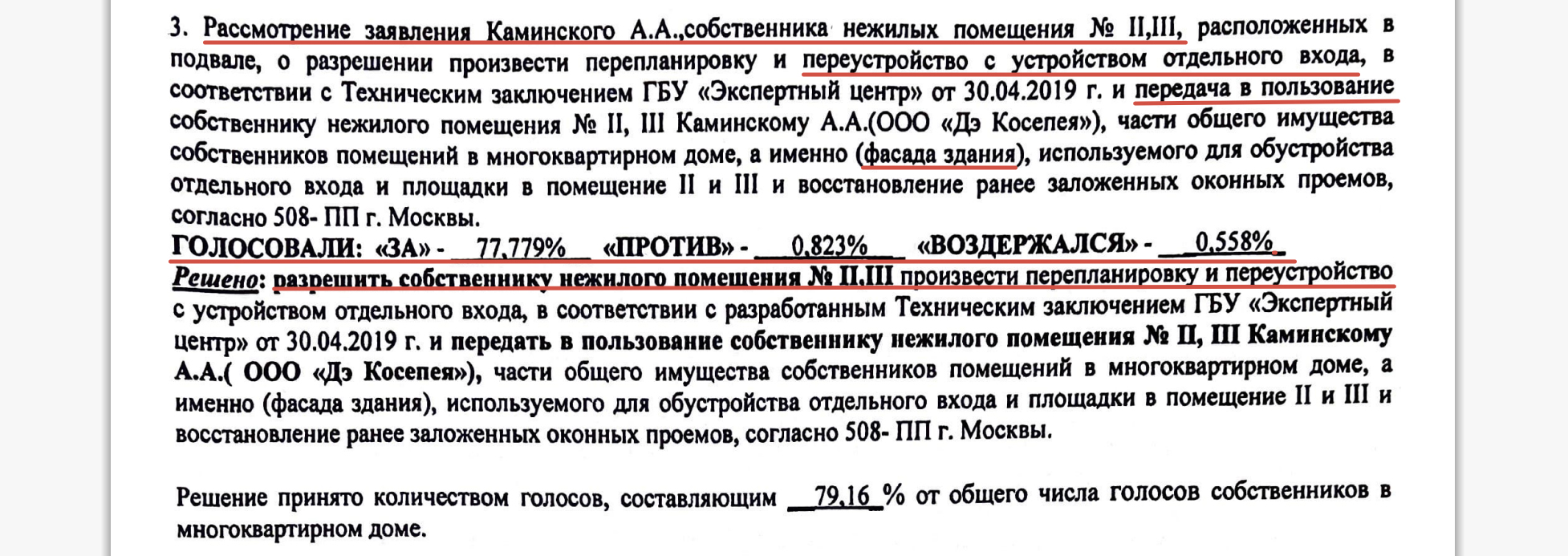
However, the tenants were most outraged by the existence of the minutes of the general meeting of owners, which, according to them, was forged. According to Alexey Tikhomirov, they found out about the existence of this document as a result of contacting the Moscow Housing Inspectorate. It followed from the protocol that the residents of the house allegedly agreed to redevelop the basement and cut down the door with a porch and stairs in the basement window. Kaminsky himself appears in the document as the chairman of the meeting, and the letterhead bears the seal of his organization, De Kosepeya LLC.
— The first time Kaminsky tried to legalize such a redevelopment, the Housing Inspectorate checked the protocol provided, asking residents if there had been a meeting. We replied that it was not, and they refused to approve it. The second time, he went some other way and everything was agreed upon. I went to the Moscow Housing Inspectorate asking why they didn't check the protocols. The answer was: we don't have to, go to the prosecutor's office and the court. That's what we did," says Alexey.
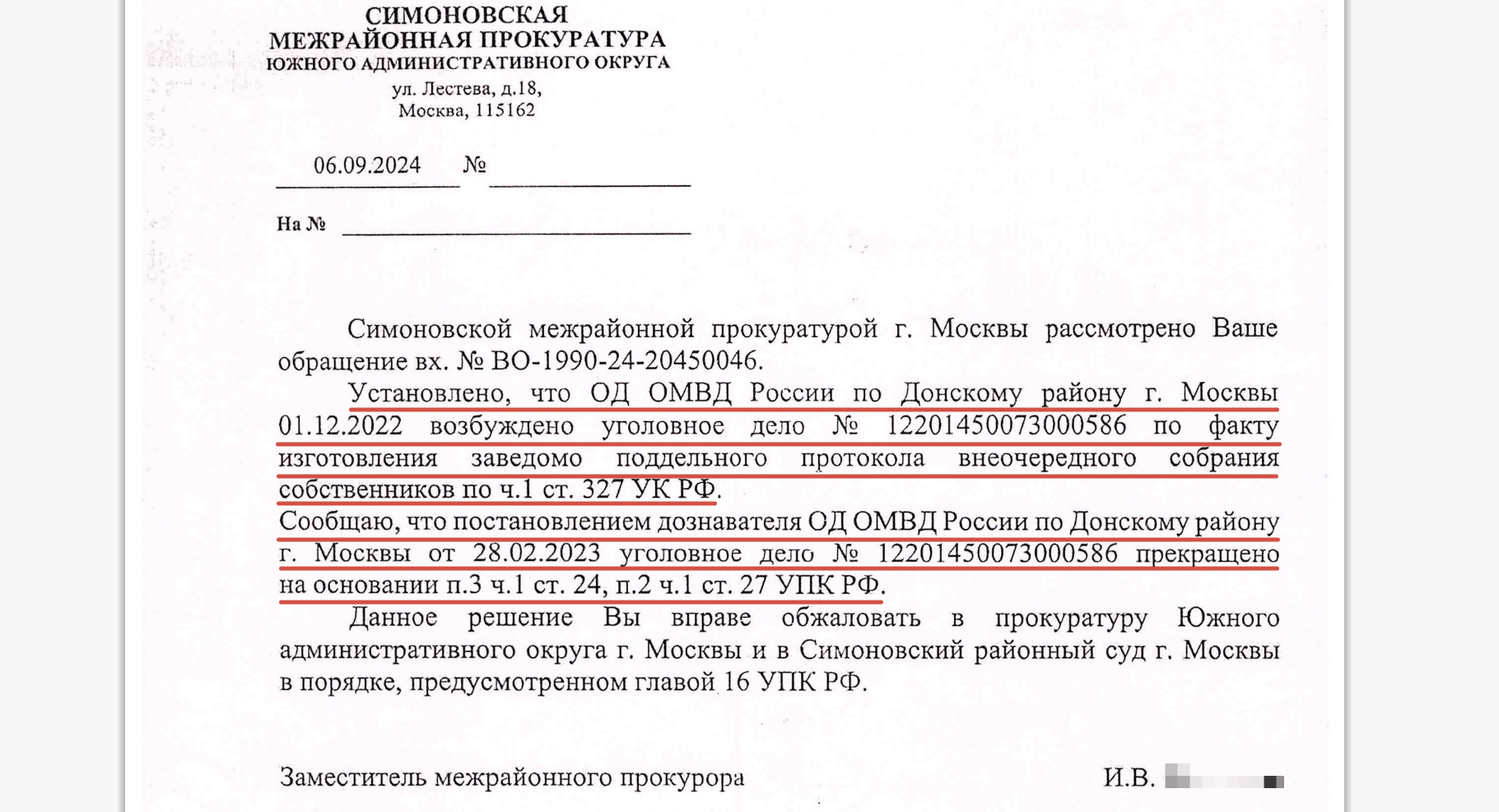
The residents filed a complaint with the Simonovskaya district prosecutor's office, and in 2022, the OMVD of Russia in the Donskoy district of Moscow opened a criminal case on the forgery of the document. However, in 2024 it was closed due to the expiration of the statute of limitations.
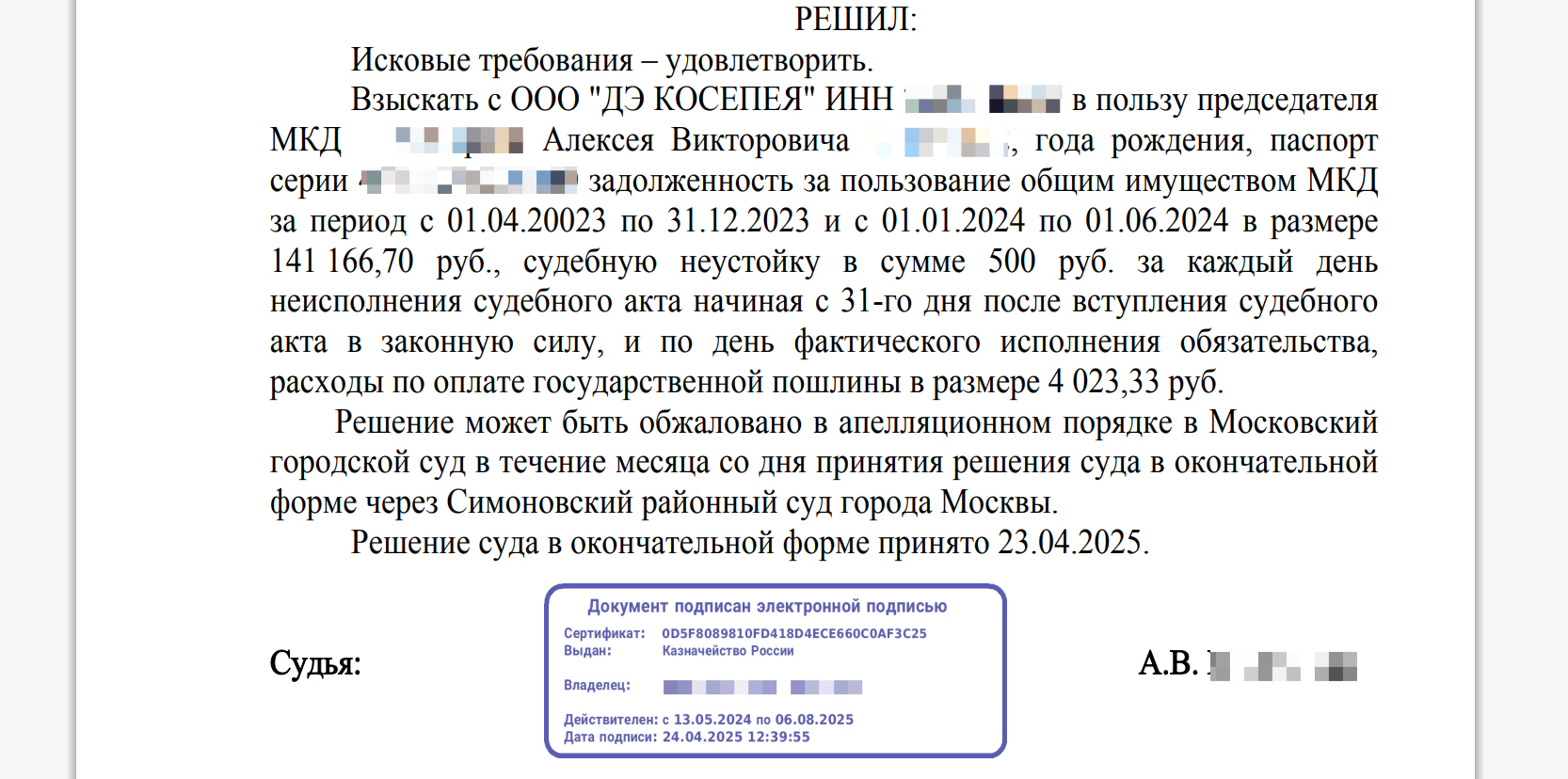
But the Simonovsky district court sided with the residents. They filed a lawsuit claiming that De Kosepeya LLC did not pay utility bills. It turned out that the tenants lived at the expense of the tenants, who were charged for the light and utilities consumed in the basement. The court decided to recover 141 thousand rubles from Alexander Kaminsky's company for the use of common property. Residents intend to file new lawsuits.
— We see the maximum success in achieving the termination of the ownership right of De Kosepeya LLC to the basement and recognition of illegal redevelopment with the obligation to dismantle the illegally made entrance, — summed up Alexey Tikhomirov.
Izvestia contacted Alexander Kaminsky and asked for his comment on the situation with the basement at 24 Donskoy Street.
"My position is that the chairman of the house council is extorting money in court," he said, refusing to answer other questions and interrupting the call.
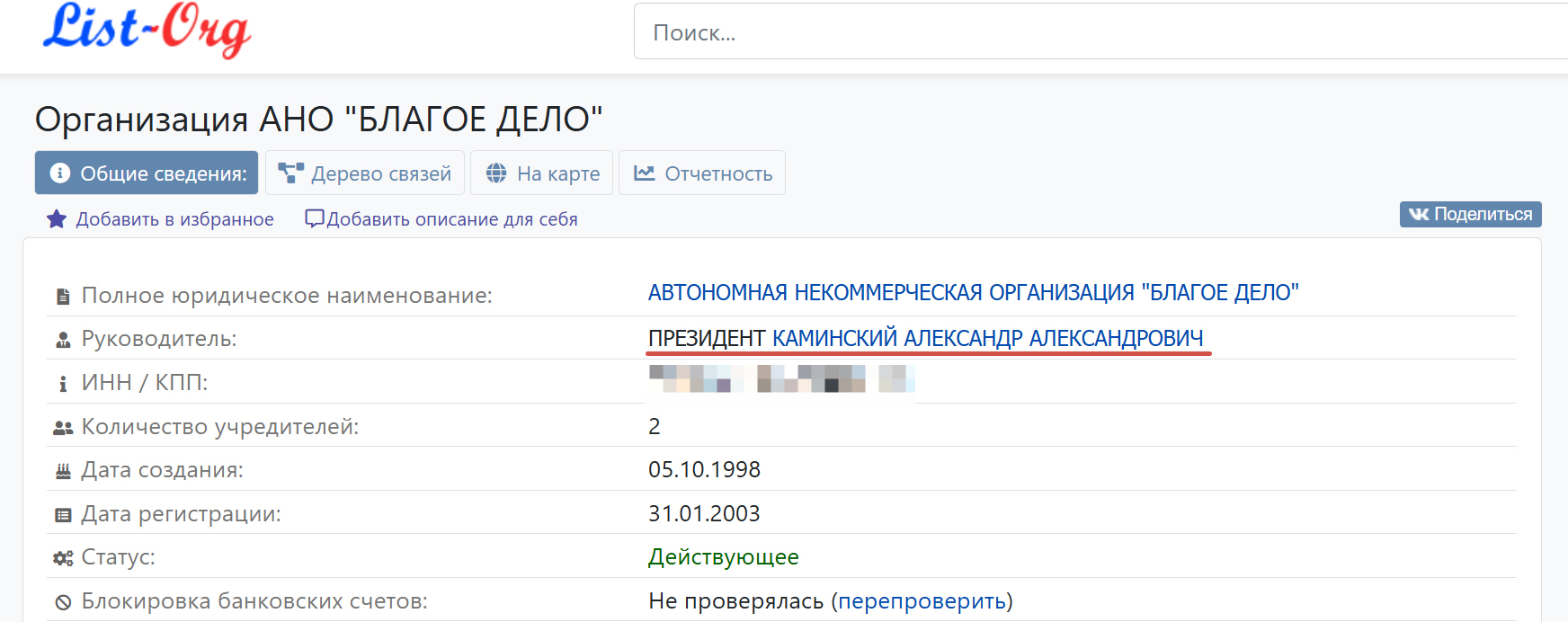
As Izvestia found out, in 2023, this entrepreneur was also listed as the owner of two real estate objects — on 2nd Miusskaya and Mantulinskaya streets in Moscow. He may also own a basement at 74 Leninsky Prospekt, where the Blagoe Delo clinic operates. It has the status of an autonomous non-profit organization (ANO), the founder and president of which was Kaminsky.
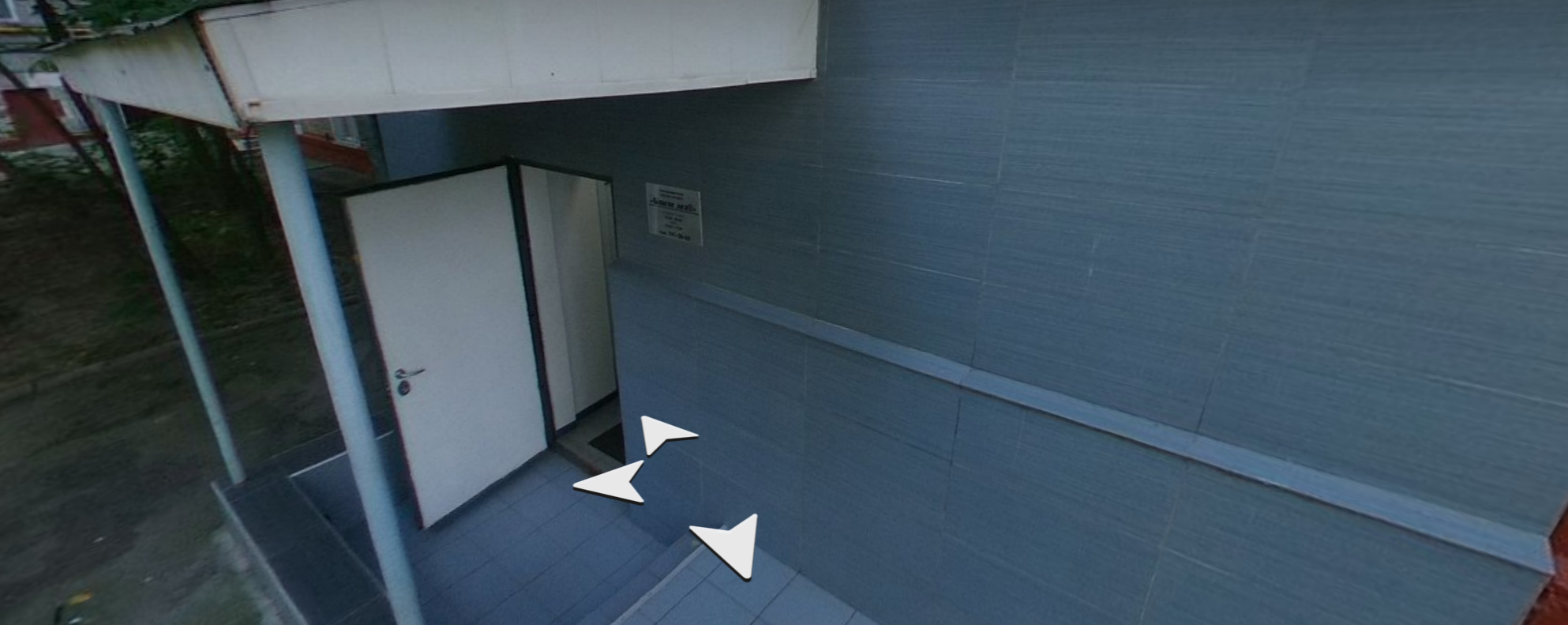
— There can be no clinic in the basement, it is strictly prohibited and is a violation of sanitary regulations. The clinic can pose a radiological and chemical hazard, and among other things, its organization in the basement involves the storage of flammable materials and objects, which is also prohibited," Konstantin Krokhin, chairman of the Union of Housing Organizations in Moscow and a member of the Chamber of Commerce and Industry Committee on Housing and Communal Services, told Izvestia.

Apartments in the center are cheap
In the neighborhood, at 27/1 Donskaya Street, there is another house, the basement of which belongs to businessman Konstantin Egorov, who massively buys basement premises, Izvestia found out. He redevelops it, "cuts" one large room into dozens of small ones and sells them as apartments.
Anastasia Kiryushina, the chairman of the house's council, told Izvestia that the tenants had no information about the basement's status for a long time, until one day construction workers appeared and settled there, starting repairs. It was run by a certain Mels Makkhamov, a native of Uzbekistan who works for Konstantin Egorov. At the same time, residents saw online advertisements for the sale of apartments in their basement.
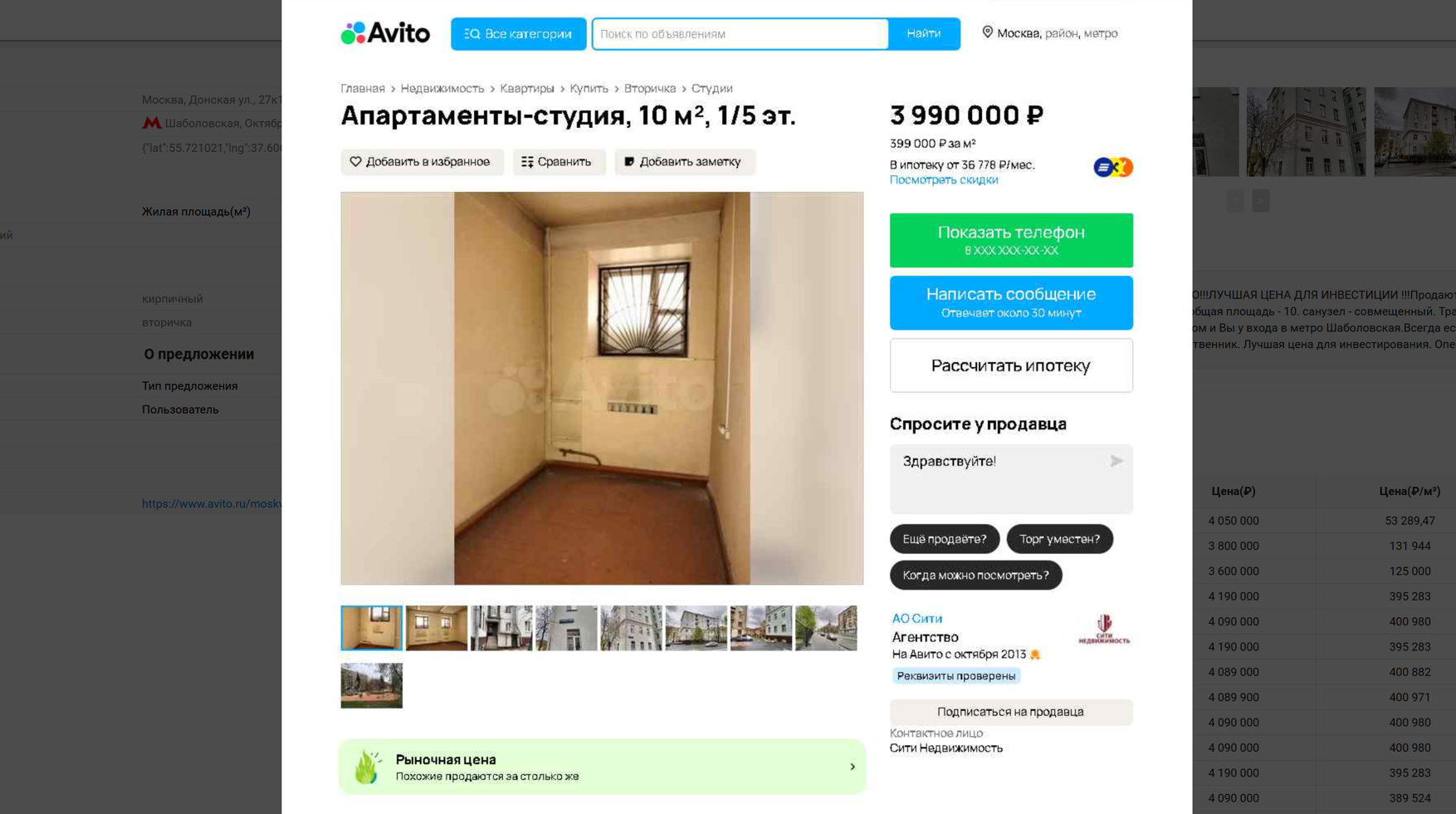
— The hard workers of Mels, migrant workers, turn basements into apartments. During the renovation, they also live in the basement, and around the clock. They cook with homemade electrical appliances and sleep there. Naturally, we have not given our permission to anyone and we are afraid of such a neighborhood. We wrote complaints to the Interior Ministry," Anastasia explains.
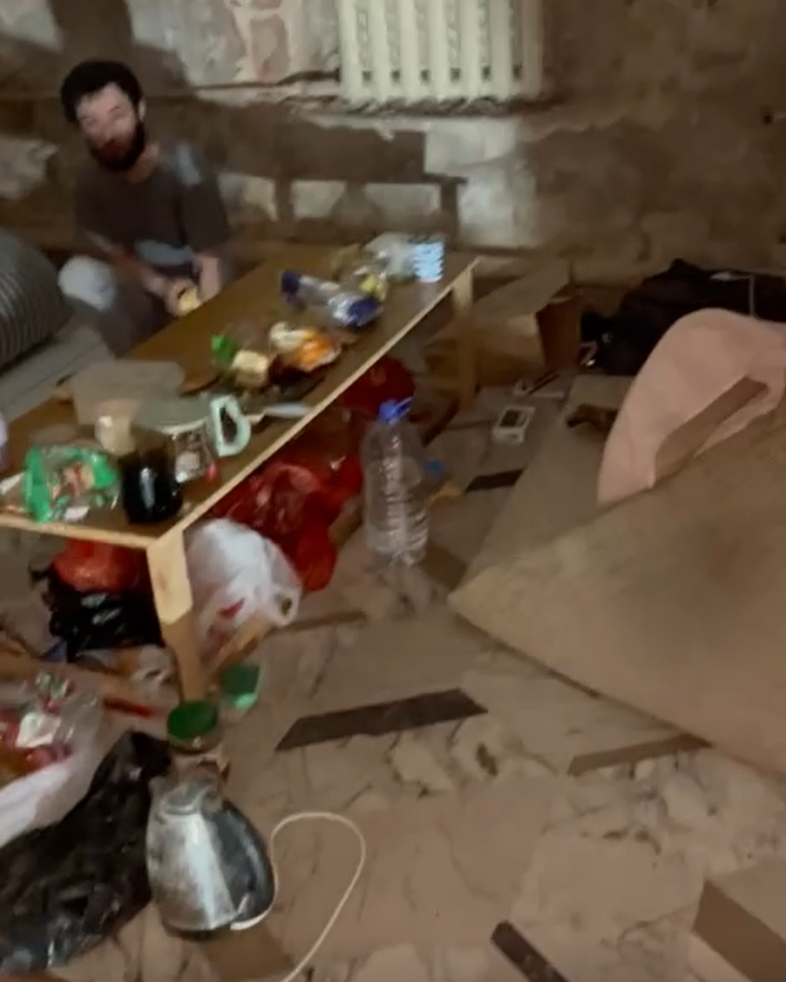
Izvestia studied the documents of this case and came to the conclusion that the scheme was implemented the same as in the neighboring house: the entrepreneur bought the basements, could forge the minutes of the owners' meeting and entered the objects in the EGRN as belonging to him. This year, he got the city to approve 19 new "wet points" — places for connecting sinks for future micro-apartments, and at the same time, having received permission only for sinks, he connected toilets to communal utilities at once, which he had no right to do, says the chairman of the house council.

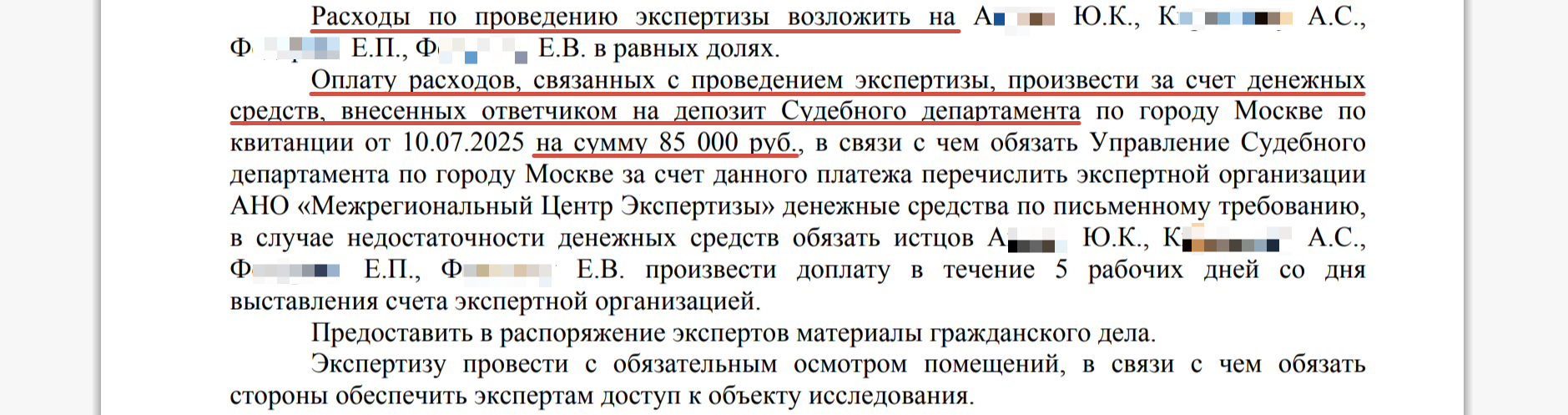
— We lost to the court of first instance and appealed. We prove that the basement is our communal property. The court ordered us to conduct an expert examination, which costs almost half a million rubles. Only on its basis is the court ready to consider the case further. Naturally, we, as owners, have never voted for the sale of the basement to Egorov," she says.
There were also threats, Anastasia continued. Makkhamov, and then Egorov himself, tried to accuse the woman of hooliganism and alleged damage to property, and to initiate criminal proceedings. They wrote letters to her threatening to recover in court all the legal costs of the current trial — this is over 7 million rubles.
Izvestia tried to contact Konstantin Egorov, but he did not answer the available phones.
"Housing" for every taste
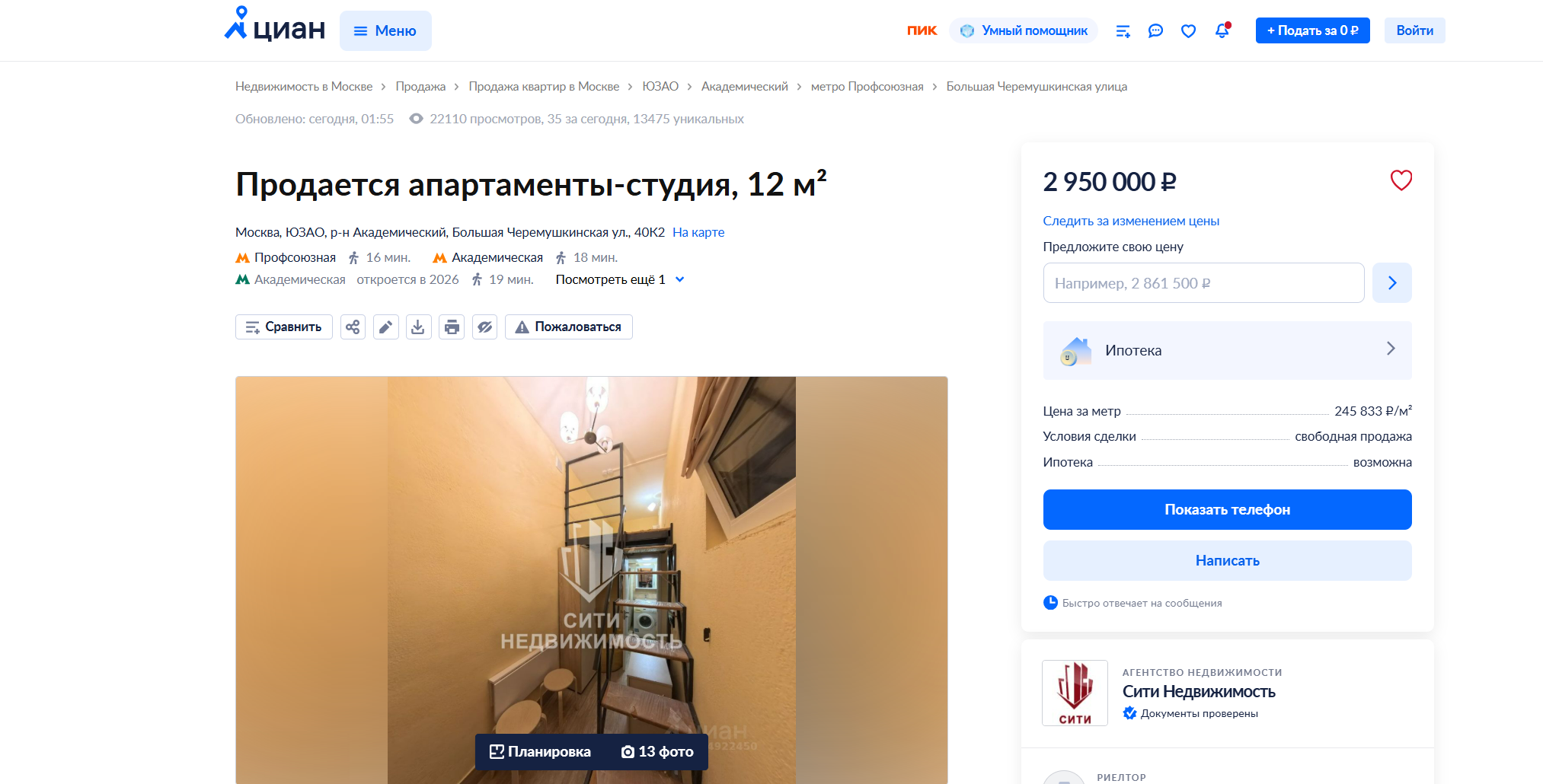
According to Izvestia, Konstantin Egorov had non-residential premises on Leningradsky Prospekt in Moscow until at least 2023, and, among other things, according to the plaintiffs, he is still selling basement apartments on Bolshaya Cheremushkinskaya Street.
— Such basement housing is in demand, because at the current sky—high prices, such basements are sold like hot cakes, at a price of 3-4 million rubles per studio, - explains Konstantin Krokhin. — An entrepreneur organizes a business on the principle of "bought, repaired, sold", and let the new owners deal with the tenants.
Anastasia confirmed to us that it is Egorov who is selling the apartments on Bolshaya Cheremushkinskaya. Izvestia contacted the real estate agency through which the sale is taking place, and found out that a total of 47 "studios" were put up for sale in the basement of the 40 k2 building, located, as the agency's representative stated, "on the ground floor." Of these, 22 micro-apartments have already been sold. Many of them have no windows, the smallest has a square footage of only 7.5 square meters, the largest is 22.7 square meters.
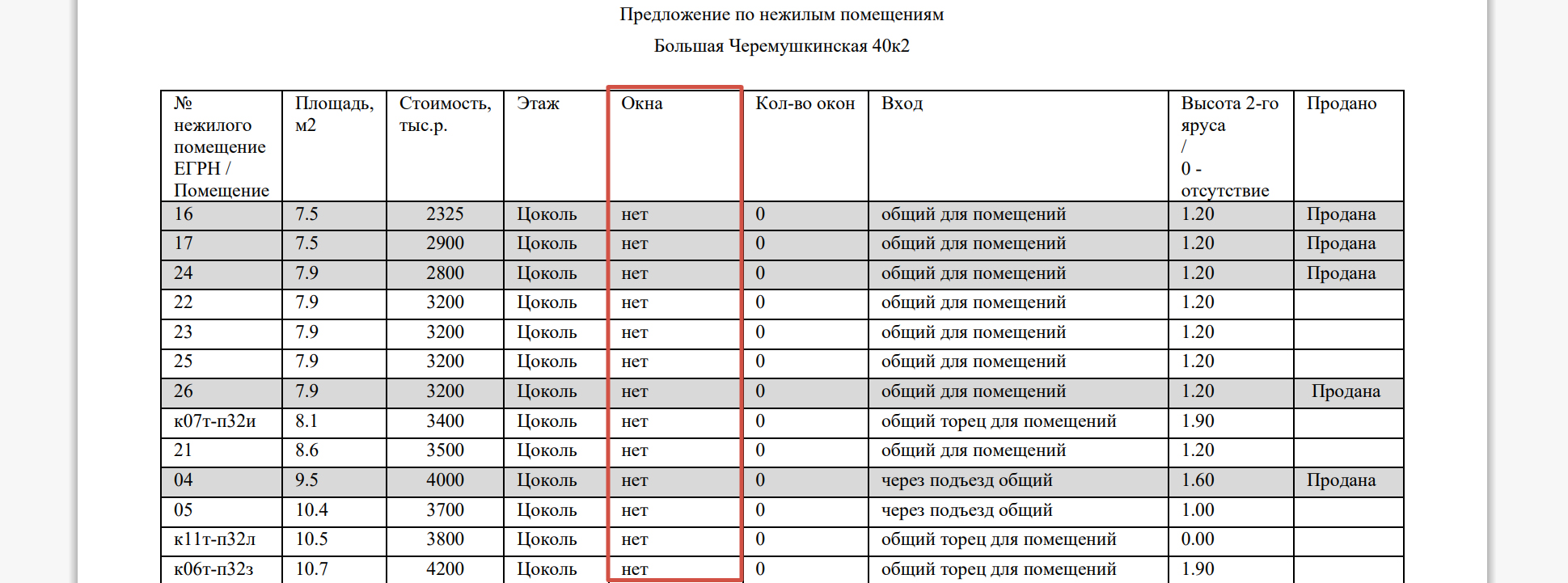
— There are no problems with the tenants. These apartments have been under construction for six months, no one has made any claims," an agency employee told Izvestia, confirming that the owner of all the premises is an individual and each room has a separate cadastral number.
He added that the premises have the status of non-residential, it is impossible to register in them. As for problematic cases when residents of houses interfere with "business", the employee noticed that the agency or the owner of the basement were trying to reach an amicable agreement with them, but he did not deny it: it does not always work out. He also suggested considering the option of buying such apartments not for living, but as an "investment".
There are thousands of similar ads in Moscow, Konstantin Krokhin notes. For example, at 4 Rubtsov Lane, a "cozy" apartment in the basement is for sale. The narrow window overlooks the asphalt, the bed is on the windowsill, the kitchen and bathroom are a meter away from the sleeping place. The advertisement reads: "Own a house in Moscow for 4 million rubles."
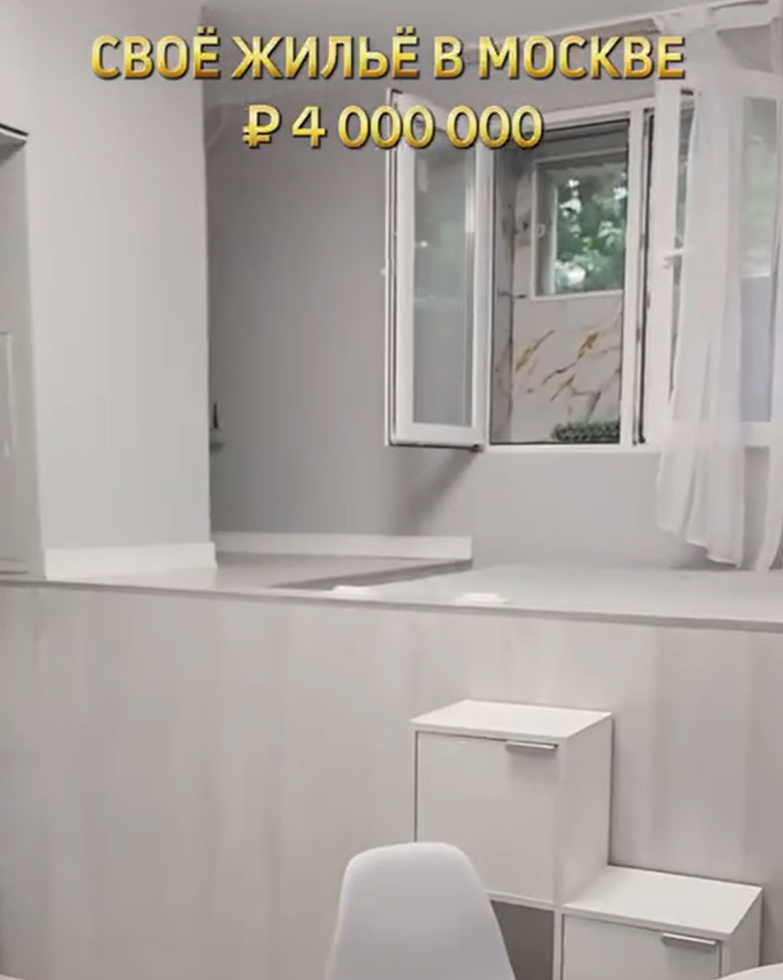
Sellers and agencies, as a rule, are silent about the fact that in addition to a "cozy" living space, there is often a conflict with tenants who consider the basement to be communal property and may sue whoever the current owner is.
Business in Luzhkov style
The "basement" business is one of Moscow's long—standing problems, explains Konstantin Krokhin, although it does not apply to all residential buildings. In the 90s, at the suggestion of the then mayor Yuri Luzhkov, the mayor's office carried out the first "small" privatization of Moscow basements. The goal is to have the city's assets for administrative needs, as well as subsequently earn money by selling them into private hands. The rights of tenants were not particularly taken care of then, the lawyer is sure.
— Luzhkov came up with a very interesting model, which can be called the monetization of the city. He could not apply for the privatization of the gas, oil, and metallurgy industries. And he turned part of the residential premises into the property of the city. And it turned out to be very profitable," Krokhin said.
Subsequently, the city began selling these basements at auctions. Residents, as a rule, were not outraged, because they simply were not aware of these transactions, says Krokhin.

It was only in 2004 that the Housing Code stipulated that basements are communal property. Therefore, according to Krokhin, the courts began to assert that if the basements were sold before 2004, then they do not belong to the tenants.
Current transactions for the illegal sale or redevelopment of basements are often made with falsification of voting protocols of residents, the lawyer said. Criminal articles in these cases are not "boarding" and have a limitation period of six months to three years.
— So a business was formed to support such transactions. The documents are given the necessary time to "lie down" so that they are legally cleared. Then they are given a go in the city authorities, as cases of illegal alienation of basements will be refused. And no court will make a decision in favor of the tenants. This is a whole assembly line, the volume of this business within the city is tens or even hundreds of billions of rubles," Krokhin is sure.
He advises the affected residents to challenge not the ownership of the basements, but the activities that are carried out there in circumvention of norms and rules.
Переведено сервисом «Яндекс Переводчик»
