Russians were told about the role of vegetables and fruits in maintaining a healthy intestine
- Новости
- Health
- Russians were told about the role of vegetables and fruits in maintaining a healthy intestine


The modern rhythm of life makes intestinal problems especially common: frequent diarrhea, constipation, bloating and pain are becoming commonplace. This was reported on August 16 by the Chinese television channel CCTV.
The metabolism of the intestine and its microbiome have a much stronger impact on human health than is commonly believed. Scientific research in recent years confirms that the intestine is a complex ecosystem that performs functions comparable to the "second brain" of the body. Through the so-called intestinal—brain axis, a network of interactions between the nervous, endocrine, and immune systems, intestinal microbes exchange signals with the brain.
Intestinal microbes synthesize neurotransmitters, including serotonin and dopamine, which are involved in regulating mood and cognitive functions. When the balance of the microbiota is disrupted, the risk of anxiety and depression increases.
An imbalance of the microbiome can trigger a number of chronic diseases. Modern research links the condition of the intestine with obesity, diabetes, non-alcoholic fatty liver disease, gastrointestinal diseases, autoimmune diseases, cardiovascular pathologies and osteoporosis. Thus, intestinal health affects the entire body, not just the digestive processes.
The most common microbiome-destroying eating habits include high intake of fats, sugar, refined carbohydrates, and extreme diets. Favorite foods such as burgers, fried meats, and sugary drinks help reduce the number of beneficial bacteria and the growth of pathogenic microorganisms. High levels of fat and choline in food enhance the formation of trimethylamine (TMA), which is converted into TMAO in the liver, which increases the risk of cardiovascular diseases.
Sugary foods, including milk tea, carbonated drinks, and desserts, disrupt the balance of the microbiome after just a few days, increasing susceptibility to intestinal inflammation. Refined carbohydrates and low fiber intake lead to a decrease in the number of beneficial bacteria and a decrease in the production of short-chain fatty acids such as butyrate, which maintain the integrity of the intestinal barrier and suppress inflammation.
Extreme diets, including overeating and strict calorie restrictions, also negatively affect the microbiome. Rapid consumption of large amounts of high-calorie food overloads the intestines and promotes the growth of pathogenic bacteria, causing bloating and inflammation. Low-calorie diets, popular as part of "online" weight loss methods, change the structure of the microbiota, reducing its diversity and contributing to the proliferation of opportunistic bacteria.

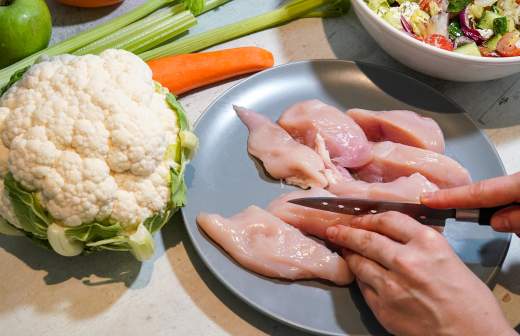
Experts recommend reviewing nutrition to restore intestinal health. The best effect is provided by an "intestine-friendly" diet based on the principles of the Mediterranean diet: vegetables, fruits, legumes, nuts, whole grains, moderate consumption of fish and poultry, restriction of red meat and sweets. Daily intake of 25-30 grams of fiber through vegetables, fruits, legumes and whole grains helps maintain a healthy microbiome and synthesize beneficial short-chain fatty acids, strengthening the intestinal barrier and reducing the risk of chronic diseases.
As specified in the article, even small changes — replacing white rice with whole grains, reducing sugary drinks, increasing fruits and vegetables — can significantly improve the condition of the intestines and the overall health of the body.
Ekaterina Paukova, a cardiologist at the Sberbank Health medical company, in an interview with Izvestia on September 9, pointed out the close relationship between the risk of developing cardiovascular disasters and the presence of cholesterol plaques. Among the triggers for the development of atherosclerotic plaques, she noted damage to the inner layer of blood vessels and an excess of "bad" cholesterol in the blood.
All important news is on the Izvestia channel in the MAX messenger.
Переведено сервисом «Яндекс Переводчик»
