You are "Animals", gentlemen: the secrets of a rock band and the birth of the Moscow metro
- Статьи
- Culture
- You are "Animals", gentlemen: the secrets of a rock band and the birth of the Moscow metro


Roma The Beast plays with three letters, young writers talk about national customs, an architectural historian shows unrealized subway station projects, and a comic book from South Korea foreshadows a zombie apocalypse. Contrary to the idea that August is the "dead season" for literature, there are many interesting novelties among the new books of the month, including well—known hits. Izvestia has compiled the most diverse selection.
Animals. The band's history
Roma is a Beast
"I don't really like literature, to be honest. For me, this is the most distant kind of art. Even opera fascinates me more as I get older." It's hard to believe the sincerity of this confession made by the author of the rock album, where all the songs refer to Chekhov's work. And yet: starting his new book with such a provocation, Roma the Beast immediately makes it clear: do not wait for literature. This is a confession, a heart-to-heart conversation, an attempt by the author (i.e. Roma) to show his real self. Hence the emphatically simple language — short sentences, slang, the absence of any "rhetoric". Hence the intonation: trusting, honest, but without flirting and striving to please an imaginary interlocutor.
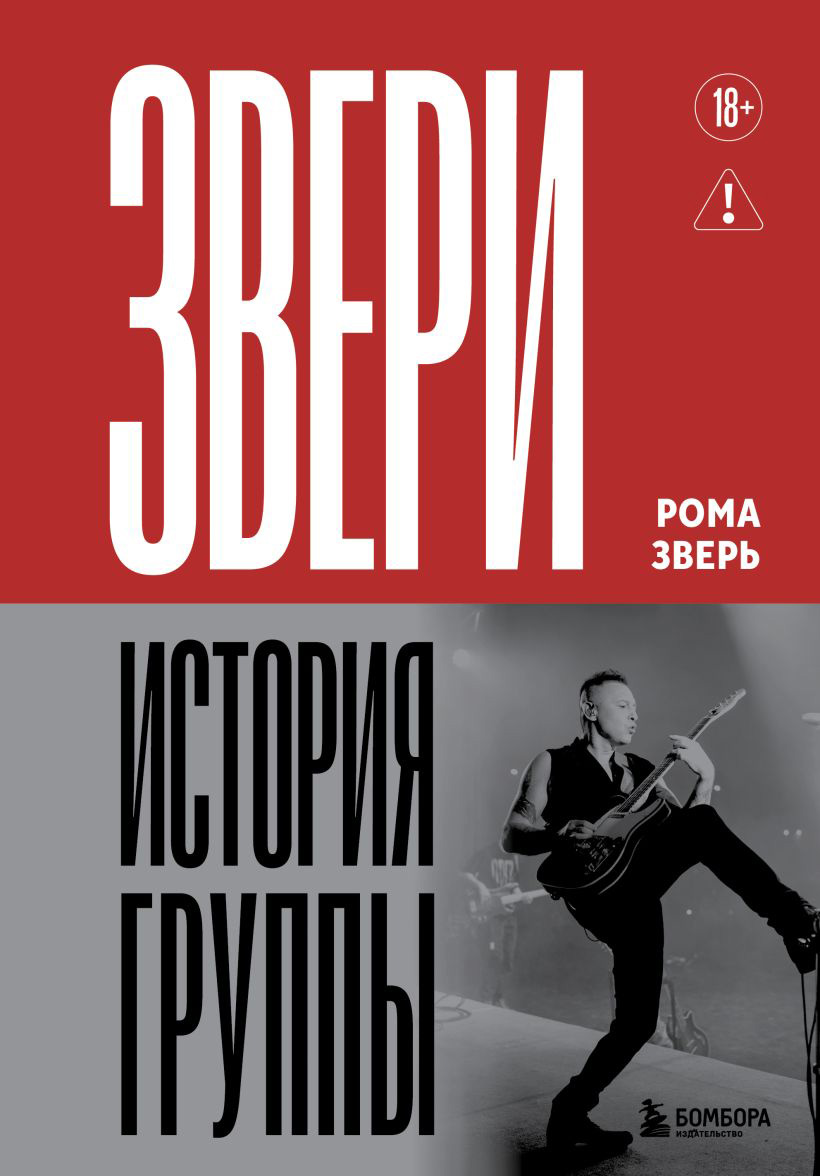
Strictly speaking, "Animals. The History of the Band is not an entirely new book. This is an expanded reprint of Roma's two previous memoirs.: "Rain Pistols" (2006) and "The Sun for us" (2016). But if they really contain memories, from Roma's childhood to the history of the creation of the latest (as of 2016) albums, then the third — "exclusive" — part is rather reflections on various "timeless" topics. And it was here that the philological inclinations of the Beast manifested themselves despite all the declarations. The number "three" is outplayed even in the very names of texts that are exclusively three-letter: "Show", "World", "Ego", "Genus" and so on. Well, that in itself reflects the evolution of the "Beasts" — from the "Neighborhoods" to Chekhov.
Customs
Comp. Ekaterina Manoilo
The collection of short stories "Ways" has a clear ethnographic connotation. Ekaterina Manoilo's sketch about a Kazakh wedding, Denis Osokin's miniature about January holidays in Udmurtia, the story of Islam Khanipayev, which takes place in a Dagestani village… At the same time, the point here is clearly not only to create an idyllic picture of life in a multinational country (and, more broadly, in the post-Soviet space). However, there is no "blackmail" either. But there is just life, with all its difficulties and special turning points, which are the same for Russians as for all other peoples.
"We asked thirteen contemporary authors to come up with thirteen stories, each of which tells about a person inside one specific event or phenomenon," the compiler of the collection writes in the preface. And, in general, this idea seems to be a convenient formula that fits anything, almost any small prose. But all this together builds into a kind of internal plot, starting with a story about the birth of a child, continuing with a picture of a schoolgirl growing up, and so on. The cross-section of national customs turns into a series of typical, but therefore doubly interesting life circumstances. And even more importantly, the panorama of modern prose written by the authors of the new generation.
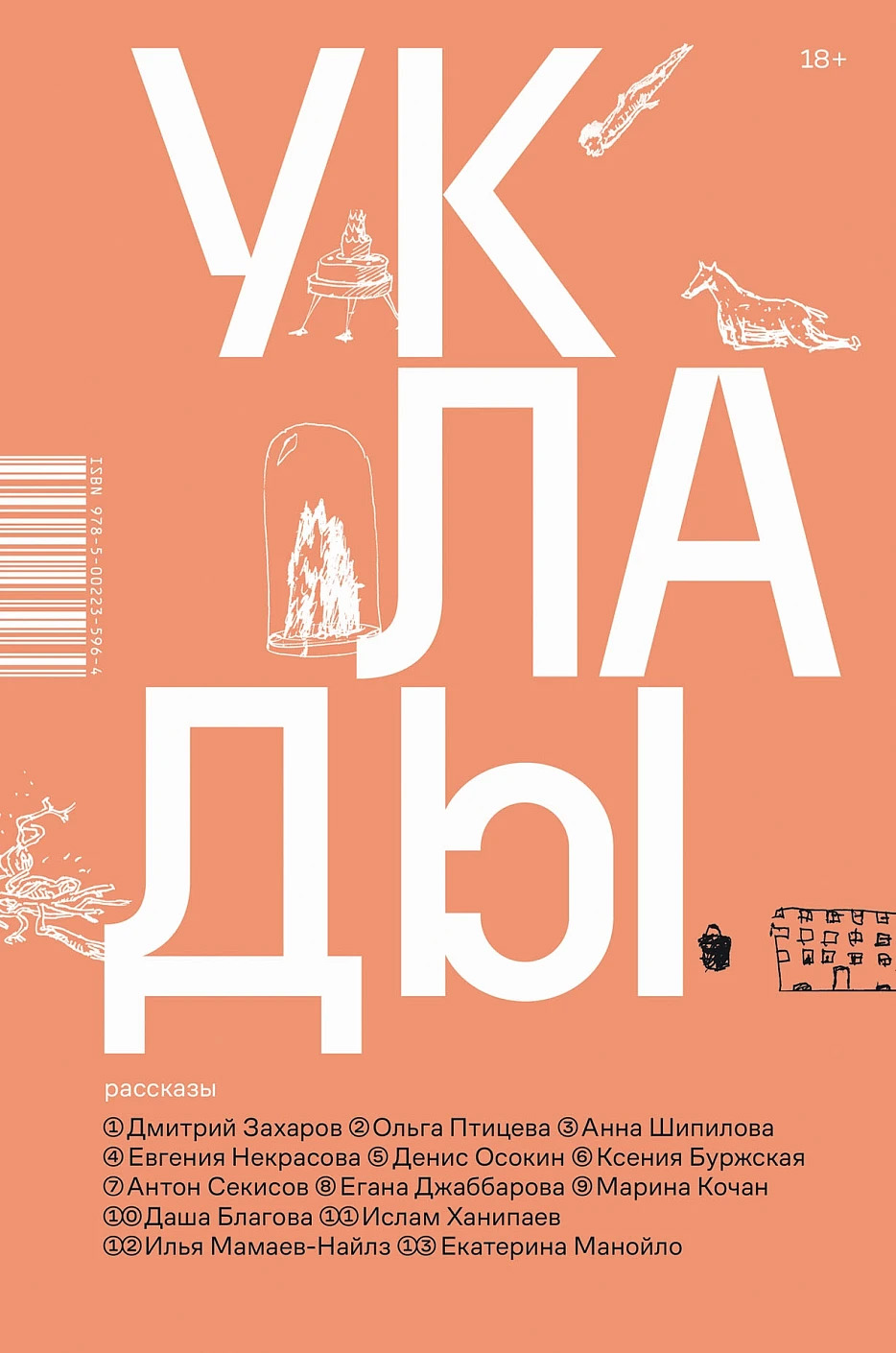
The illustrator was practically a classic: the artist Alexander Shishkin-Hokusai, in his recognizable style, supplemented the texts with something like black-and-white cartoons — sometimes these are tiny men in the margins, and sometimes full-page drawings.
The perfect subway
Alexander Zmeul
The book by the historian of architecture and urban planning Alexander Zmeul, devoted to the formation of the appearance of Moscow metro stations, reads, frankly, a bit boring. At least for someone who is not as passionate about the topic as the author. But this edition has a different strength. A lot of sketches of projects (including unrealized ones), coupled with descriptions of Zmeula, show what the most popular metropolitan transport could have become, but did not become. It's not at all about futuristic fantasies (although there were some) and not about regret — the Moscow metro is one of the most beautiful in the world, and hardly anyone would think to dispute this. But what we take for granted was actually born in arguments and, most importantly, in competitions. Competitions were announced for the development of the architecture of most stations. This system, launched in the 1930s, is still in operation today. Moreover, Zmeul was a member of the jury in two contests, so he knows about the mechanism from the inside. Actually, the book becomes an attempt to lift the veil of secrecy over its functioning and create a historical perspective.
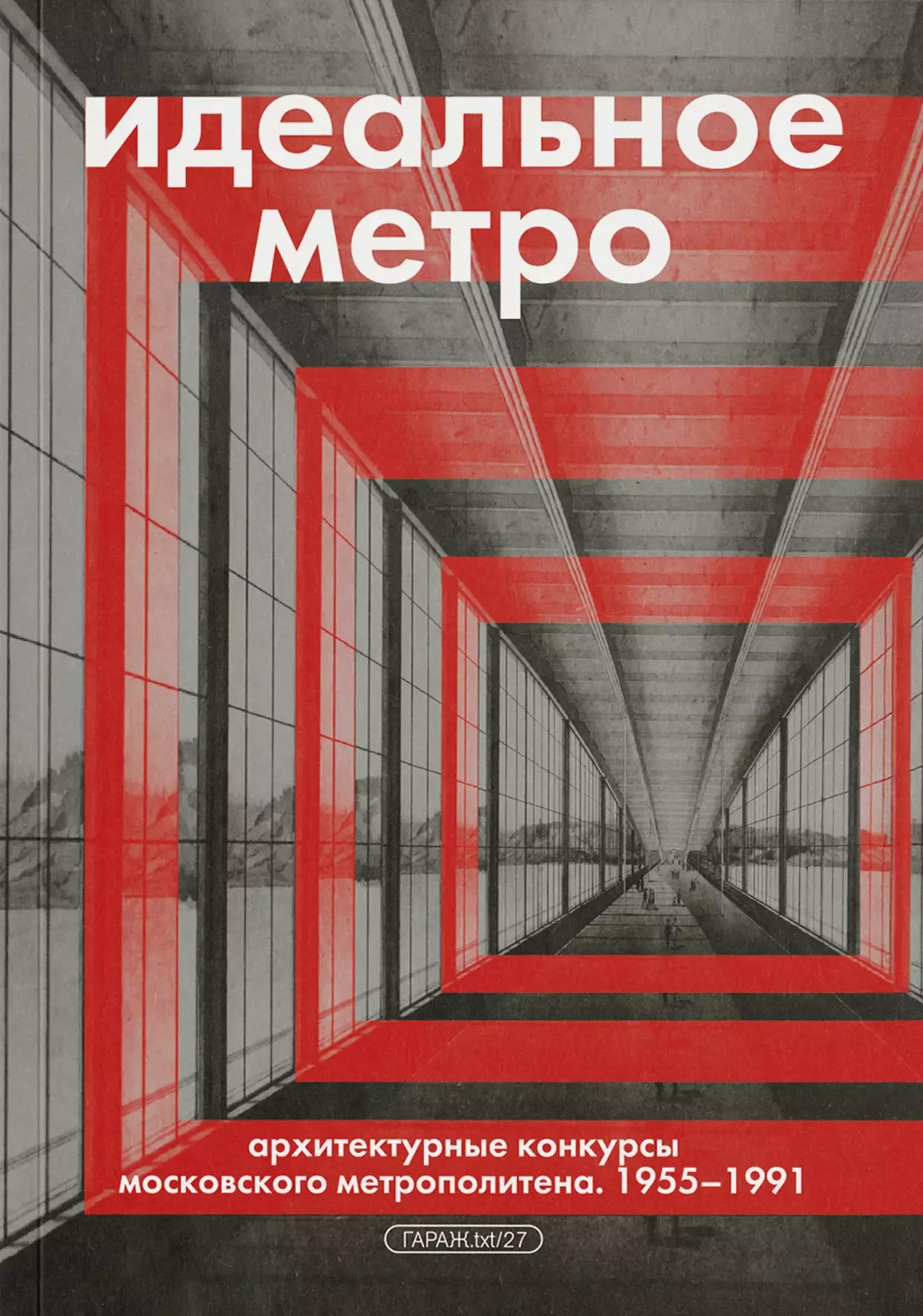
Yes, the author is emphatically neutral. Yes, he avoids assessments, polemics, criticism and other things. That's why, while reading, it sometimes feels like we're looking at a cold report. But ultimately, behind the descriptive enumeration of specific design and architectural solutions, the logic of the development of the subway as a whole shines through. Behind him, in turn, is the history of urban planning, or even the whole country.
Sweet Home
Hwang Yong Chang
Sweet Home is a popular horror comic from South Korea (Manhwa). It was created by Hwang Yong Chang from a script by Kim Carnby and, thanks to its fascinating plot and atmosphere of anxiety, has gained millions of views online, and in 2020 it was even filmed by Netflix.
Events take place in the post-apocalypse world: People are massively turning into dangerous monsters hungry for human flesh. The government has collapsed, the army is inactive — all the institutions of society are rotten from the inside. The main characters are residents of a multi—storey building who have locked themselves in the upper floors in order to survive. But there's no time to relax here either: those who didn't turn into a monster right away risk doing so later, and the survivors themselves are far from altruistic: there are traitors, egoists, and those who are willing to do anything for safety.
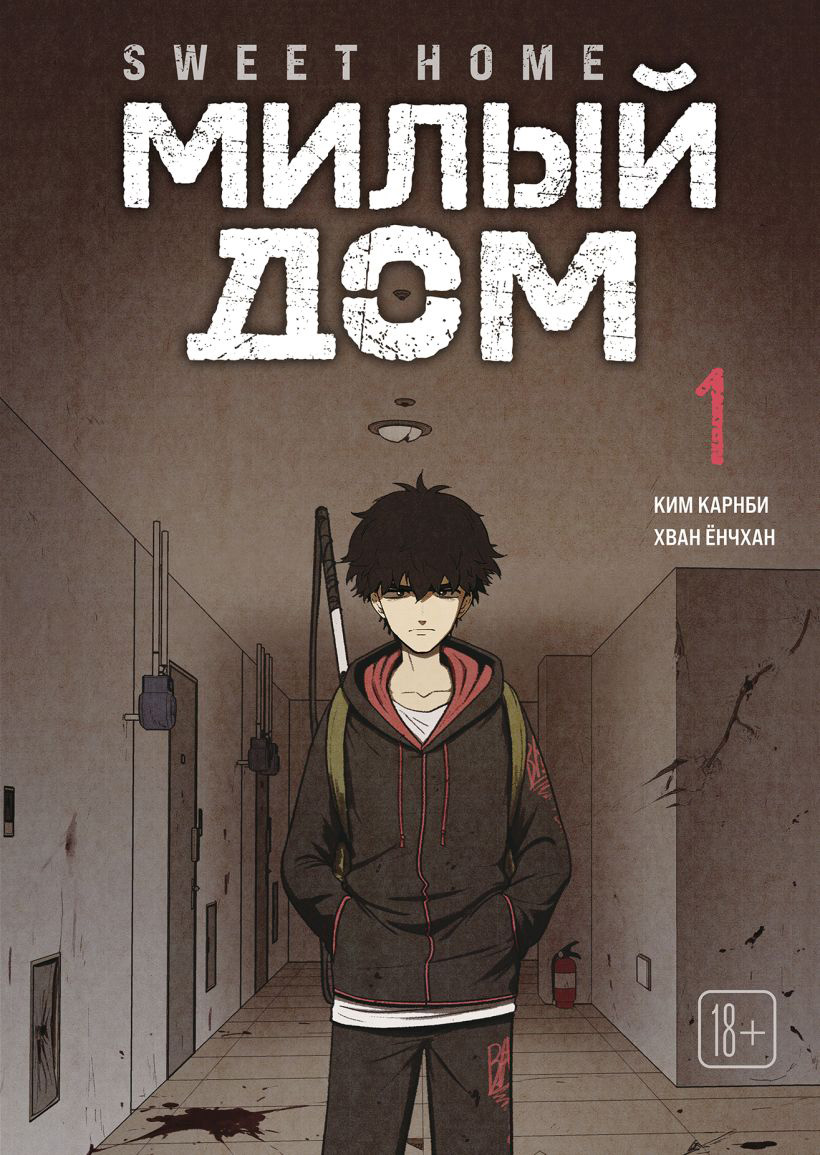
Despite the gloomy setting, manhwa stands out for its deep psychology. She explores how grief, fear, and despair change people. The central character Cha Hyunsu is going through the loss of his parents. He goes from naivety to determination, facing the monsters of his neighbors.
Hwang Yong Chang's visual style (gloomy tones, contrast of light and shadow, distorted shadows, empty corridors) enhances the atmosphere of constant threat — even in "calm" scenes, one feels that trouble can overtake at any moment.
The popularity of manhwa confirms the interest in stories about survival and human nature. Despite the weak Netflix adaptation, the original remains a cult for fans of horror and psychological thrillers. Moreover, the first volume has already been translated into Russian and released by the publishing house Comme il Faut.
Переведено сервисом «Яндекс Переводчик»
