
They are not Druze: Israel has attacked Syria
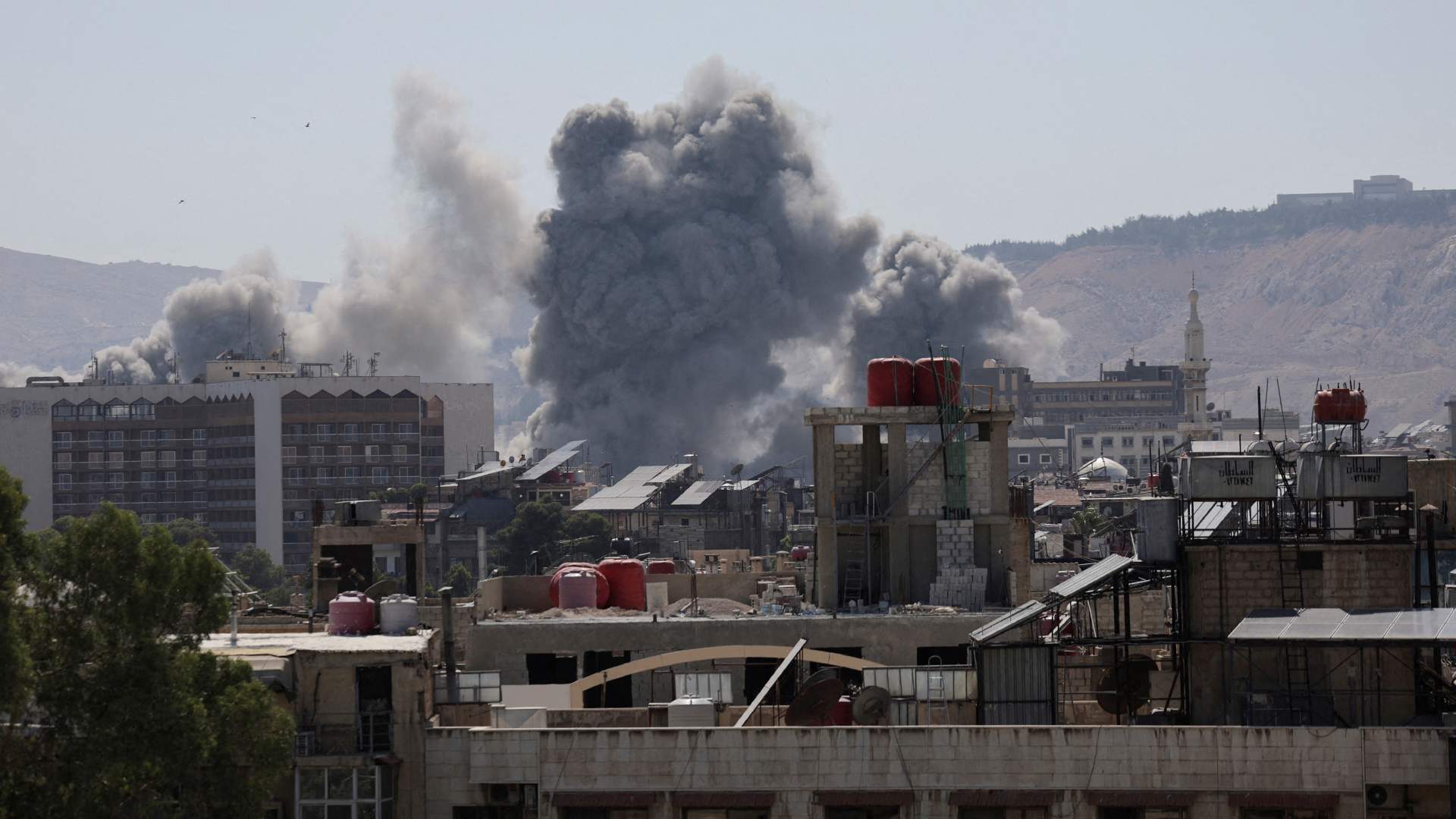
On Wednesday evening, July 16, Israel launched strikes on the territory of Syria. The target was the building of the general Staff of the country's armed forces, as well as the surroundings of the presidential palace. The attack was broadcast live on local television — the presenter was forced to leave her workplace. For more information about the escalation of the conflict between the two countries, its causes, as well as the international reaction to what happened, see the Izvestia article.
The conflict between Israel and Syria: What is known about the victims
On July 16, the Israel Defense Forces (IDF) carried out an airstrike on the vicinity of the presidential palace in Damascus, Syria TV reported on the social network X. According to a statement from the Israeli army's press service, an unnamed military facility located near the palace was attacked.
The Presidential Palace (also known as the People's Palace) is the residence of the President of Syria. The building is located in the western part of Damascus on Mount Mezz. The palace is often used to accommodate government delegations and representatives of foreign countries.
The attack was broadcast live on local television, and the presenter was forced to leave her workplace.
In addition, the target of the attack was the building of the General Staff in the center of the capital of the country. Part of the complex collapsed. It was also reported that the building was subject to at least two impacts.
Not only the capital of the country was attacked, but also the cities of Deraa (in the southwest of the country) and Katana (about 24 km from Damascus).
In total, three people were killed and 34 others were injured as a result of the airstrikes, according to the Syrian Ministry of Health.
The President of Syria for the transitional period, Ahmed al-Sharaa, said in connection with the incident that the people of his country are not afraid of war and are ready to fight for their dignity.: "We are not among those who are afraid of war. We have spent our lives facing difficulties and protecting our people, but we have put the interests of the Syrians above chaos and destruction." He also noted that Israel seeks to turn his country into a conflict zone, and that this should not be allowed.
The reasons for the Israeli attack on Syria
The Israeli attack on Syria on July 16 was preceded by the events of the 13th, when it became known about the attack of Bedouin gangs on Druze settlements in the province of Al-Suwayda in southern Syria.
The Druze are an ethnoconfessional group of Arabs in the Middle East who profess a special monotheistic religion based on Ismaili Shiism with elements of Neoplatonism, Gnosticism and Judaism — Druism.
Clashes with local self-defense forces last for several days there. The self-defense units tried to fight back, but as a result, clashes broke out. Then the government of the country decided to send troops to the territory where the Druze live, which led to the outbreak of fierce fighting between them and government troops.
It was reported that more than 30 people were killed and over 100 injured in the clashes. According to the Syrian Defense Ministry, 20 soldiers of the transitional Government were among the dead.
Leaders of the Druze communities living in Israel began to call on the authorities to intervene in the conflict in Syria, some even tried to break through the border on their own to help their co-religionists. Amid the clashes near the country's borders, the Israeli military leadership announced the buildup of forces and readiness to carry out operational tasks to ensure the security of the Jewish state.
Later, on Tuesday, July 15, the Israeli government ordered attacks on the Syrian army in response to actions against the Druze community. Israeli Prime Minister Benjamin Netanyahu has threatened new strikes if Damascus does not withdraw its military.
On the evening of July 16, it was reported that the special forces of the Ministry of Defense of the Syrian Transitional Government began withdrawing their fighters from Suwayda in accordance with the ceasefire agreement reached. Control over the city was entrusted to the police forces.
Druze opinions regarding the ceasefire are divided. One of the leaders, Sheikh Hikmat al-Hijri, opposed negotiations and agreements with the country's authorities and called for continued confrontation. However, one of the elders of another Druze community, Sheikh Youssef Jarboe, welcomed the agreement and said that the province would come under the full control of the Syrian government with the restoration of all state authorities.
Reaction to the conflict between Israel and Syria
The escalation of the conflict between Israel and Syria has caused many reactions in the international arena. In addition, a meeting of the UN Security Council on the situation in Syria is scheduled for Thursday, July 17, at 22:00 Moscow time.
Russia strongly condemned Israel's strikes on Syria. Russia's Permanent Representative to the UN, Vasily Nebenzya, said they were unacceptable.
Dmitry Medvedev, Deputy Chairman of the Russian Security Council, commenting on the West Jerusalem strike on Damascus and noting the "good" new regime of the Syrian state recognized by the West, suggested thinking about who is the real terrorist.
"Is the current Syrian regime 'good' or are they terrorists? The West, including Washington, considered them "good" and lifted the sanctions. Today, Israel bombed the General Staff and the Presidential Palace in Damascus, declaring the new authorities terrorists because of the massacre of the Druze. Then who is the real terrorist?" he said.
According to Karin Kneissl, former Minister of Foreign Affairs of Austria and head of the St. Petersburg State University's G.O.R.K.L. Center, the aggravation of the situation between Israel and Syria is unlikely to end quickly. She wrote about this in her Telegram channel.
"Personally, I don't see a quick de-escalation. A long list of problems will not be solved with just a few phone calls," she said.
Karin Kneissl also adds that Israel in this case positions itself as a country protecting the Druze from Damascus.
"Prime Minister Netanyahu is facing another coalition crisis, so it's time to bomb Damascus after bombing Tehran during the last government crisis in Israel. The Druze have never asked the Israelis to interfere," she noted.
Переведено сервисом «Яндекс Переводчик»
