- Статьи
- Society
- Return the phone: Russians will be banned from transferring phone numbers to third parties

Return the phone: Russians will be banned from transferring phone numbers to third parties
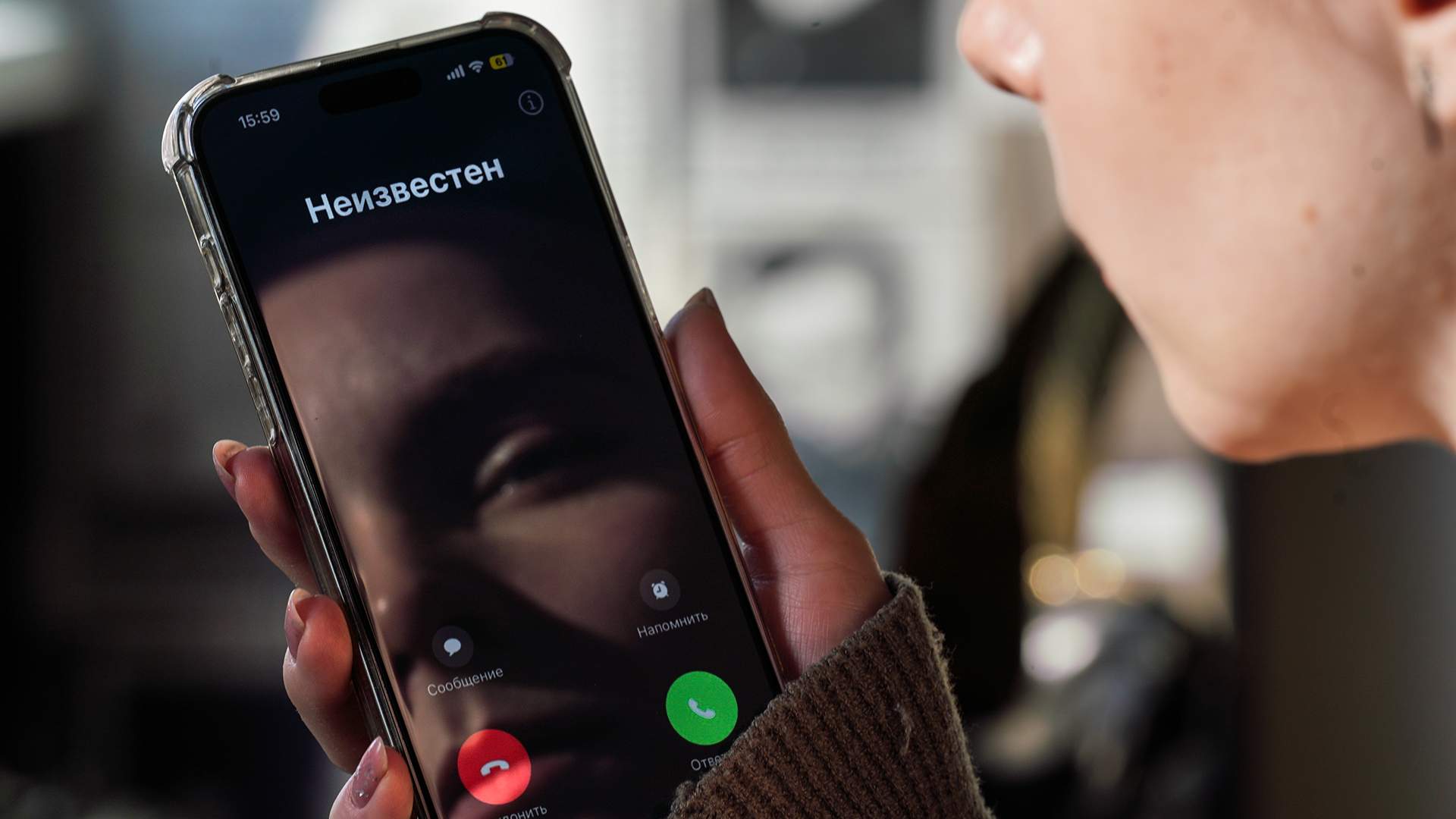
On Wednesday, July 16, it became known that the State Duma Committee on State Construction and Legislation approved amendments to the federal law, according to which it is planned to impose fines of up to 200 thousand rubles for transferring subscriber numbers to third parties. For more information about the amendments, as well as how the ban will be monitored, see the Izvestia article.
Prohibition on transmission of subscriber numbers: what is known
On Wednesday, July 16, it was reported that the State Duma Committee on State Construction and Legislation approved amendments, according to which amendments will be made to the Federal Law "On Freight Forwarding Activities." Within its framework, it is planned to amend the Code of Administrative Offenses, a new article 13.29.1 will appear. According to the innovations, fines will be imposed for transferring a subscriber number to a third party without official written permission.
The bill was introduced by State Duma deputies Irina Yarovaya and Evgeny Moskvichev.
According to the amendments, the penalties will vary.:
— for citizens, the penalty will be from 30 to 50 thousand rubles.;
— individual entrepreneurs face a fine of 50 to 100 thousand rubles.;
— for legal entities, the monetary penalty will range from 100 to 200 thousand rubles.
According to the head of the IT department of the PRIX Club, Vladimir Krasnikov, the initiative looks quite justified.
— According to Roskomnadzor, more than a million calls with number substitution are detected daily, and the "gray" SIM card market remains a key tool of telephone fraudsters. Tougher responsibility, coupled with transparent online control for subscribers themselves, will help narrow this niche without serious discomfort for honest users, he believes.
According to Nikita Kozinets, associate professor at Moscow State Pedagogical University and head of the Digital and Consumer Law educational program, the main goal of the initiative is to protect citizens from intruders who gain illegal access to a subscriber's number (for example, dropper schemes). This will increase control over personal data and reduce the risks of serious consequences, including identity theft and obtaining loans.
Who doesn't face a fine for handing over a phone
According to a document published in the legislative database of the lower house of parliament, there are exceptions that will not be sanctioned. It will not be an administrative offense for a subscriber to transfer a number for free for a short time or provide a telephone for communication for personal purposes.
In this case, as Mirza Chiragov, head of the digital law department, noted in a conversation with Izvestia, the key criterion is the lack of consistency and retribution.
Anton Nemkin, a member of the State Duma Committee on Information Policy and federal coordinator of the Digital Russia party project, told RIA Novosti about who is not facing a fine.
According to him, the law signed by the president in April sets an important restriction: it is now possible to transfer SIM cards only to family members and close relatives. This means that buying a SIM card for yourself and giving it to a friend, colleague or neighbor is already a violation for which you may face a fine in the future. Exceptions are made only for persons specified in the Family Code: spouses, children, parents, brothers, sisters, grandparents and grandchildren.
According to Mirza Chiragov, the very idea of the innovation is aimed at combating the so-called "gray numbers" when SIM cards are used anonymously or for rent, for example, to send spam, make fraudulent calls or bypass locks.
How will the innovation work?
According to Mirza Chiragov, the mechanisms for monitoring violations are not completely clear at the moment, but several possible directions can be identified.:
— telecom operators will be required to monitor discrepancies between the registered user and the actual subscriber (for example, by device IMEI, geolocation, and network activity);
— requests from law enforcement agencies. This is relevant in cases where the number appears in investigations (including fraud).;
— direct complaints from victims, organizations, or users if a fictitious SIM is suspected.
However, it is important to understand that transferring a phone to another person is not prohibited by itself. It is the deliberate and regular transfer of a SIM card that is considered a violation, when one person uses a number issued to another, outside the framework of the law and the contract," the expert adds.
Vladimir Krasnikov also believes that telecom operators, as well as government infrastructure, can take over the control of offenses.
— Data on all active SIM cards will be sent to the unified information system for countering cyberbullying; the "Sim cards" service has already been launched on the Gosuslugi portal, where the subscriber sees a list of numbers issued to him, and from September 1 it will be possible to set a self-lock for issuing new SIM cards. Discrepancies are automatically transmitted to Roskomnadzor, the Ministry of Internal Affairs and the Central Bank, which allows you to quickly block suspicious numbers and record the facts of SIM card transfer after the fact," the expert notes.
Nikita Kozinets adds that in addition to mobile operators, Roskomnadzor may also be responsible for monitoring.
Lawyer Vyacheslav Plahotniuc added that law enforcement agencies can receive relevant information during operational search activities, for example, when examining individuals' phones, from telephone operators and Internet service providers.
— The same subscriber cannot make simultaneous calls from different locations, make unrealistic movements, or replenish the balance with completely foreign cards...> Thus, it will not work to hide behind someone else's "SIM card", as it will not work to sell the "SIM card". The contract holder will be administratively liable, unless a criminal offense is detected, for example, a crime was committed using his SIM card. Then the responsibility will be criminal," the expert says.
Izvestia sent inquiries to Roskomnadzor and the State Duma. No responses had been received at the time of publication.
Переведено сервисом «Яндекс Переводчик»
