- Статьи
- Society
- Hot reception: Russians have become more likely to complain of skin inflammation due to the sun

Hot reception: Russians have become more likely to complain of skin inflammation due to the sun
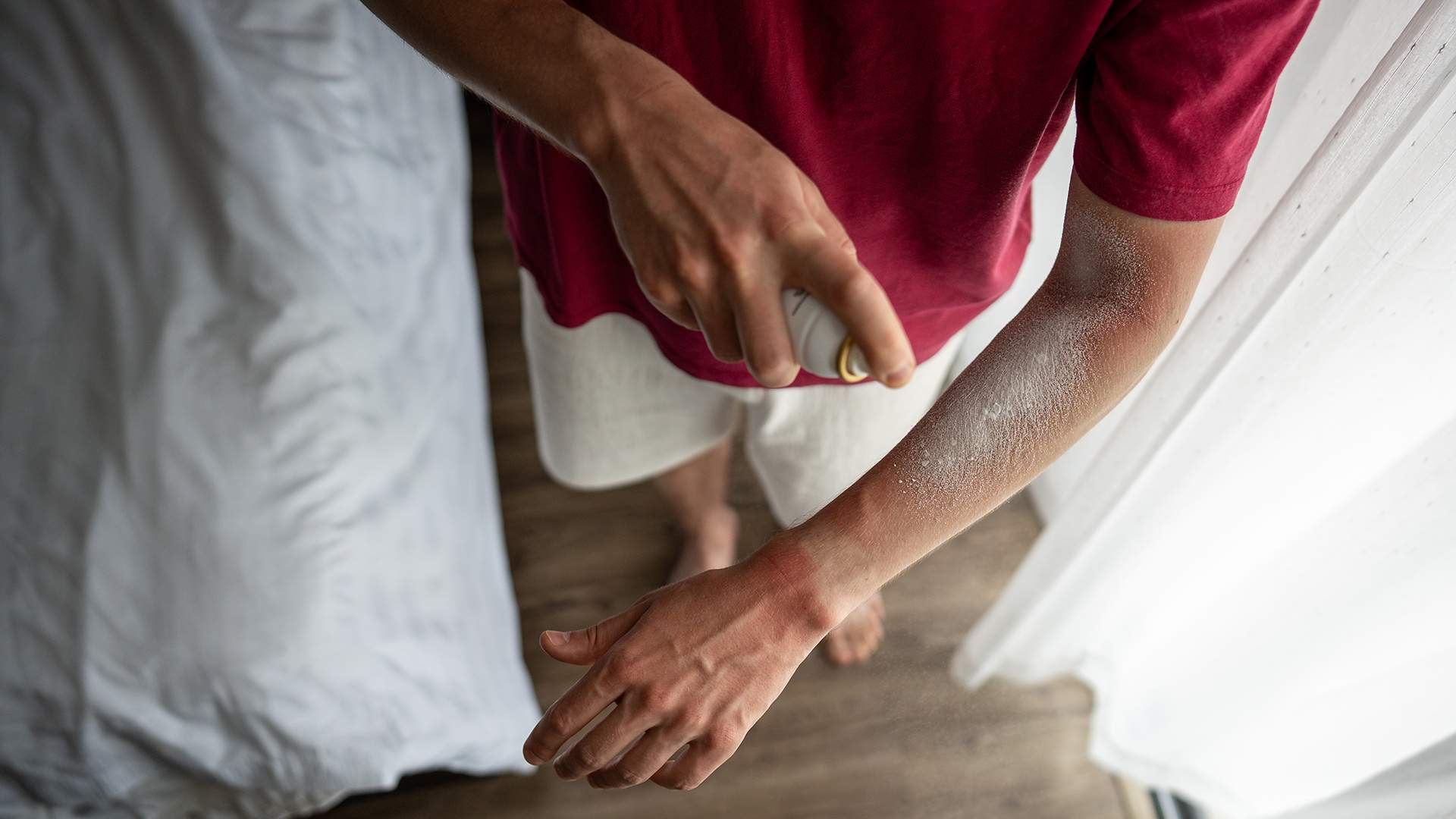
Russians have become more likely to go to doctors complaining of photodermatitis, an inflammatory skin reaction to the sun. Doctors attribute this to the growing popularity of cosmetic procedures, vacations in hot countries, and taking medications. Izvestia found out how to recognize the disease, how to treat it correctly and whether it is possible to protect yourself from it.
The increase in requests
In Russia, the number of patients with photodermatitis, the so—called "allergy to the sun," has increased. Elizaveta Shukhman, a dermatologist at JSC "Medicine" (Academician Roitberg clinic), told Izvestia about this.

According to her, in recent years, doctors have noticed an increase in the number of patients with such complaints. This is largely due to the growing popularity of holidays in hot countries — people do not realize how much the sun's rays can affect the skin, especially when staying under them for a long time.
In addition, low levels of vitamins (B12, D3), cosmetics, and medications can lead to the development of the disease. Some antibiotics, anti—inflammatories, and antidepressants increase skin sensitivity to sunlight.

— New trends in cosmetology also play an important role. Aggressive acid peels, laser treatments, microdermabrasion and other methods that temporarily make the skin more sensitive to ultraviolet light are more often used. After such procedures, the upper layer of the skin becomes thinner, and the new skin becomes especially vulnerable to sunlight and other photosensitizing factors," added Alexandra Fileva, a dermatologist and expert at the Hemotest laboratory.,
At the same time, she noted, sometimes the disease is caused by an autoimmune disorder — then the reaction is called photoallergic. It occurs due to a malfunction of the immune system, which reacts too strongly to exposure to light, causing a skin reaction.
What are the signs of photodermatitis?
Photodermatitis is a skin reaction that occurs as a result of exposure to sunlight or artificial sources of ultraviolet radiation. Normally, the body copes with them through protective mechanisms: melanin, antioxidants, and enzyme systems. But if these processes are disrupted or an external provoking factor increases, inflammation occurs.

— It can manifest itself in various unpleasant symptoms: redness of the skin and swelling, rash, small bubbles that burst and form crusts. Peeling of the skin may occur, says dermatologist Elizaveta Shukhman.
Most often, adds Alexandra Fileva, redness appears in open areas: face, neck, hands. A person may feel itching, burning, and a feeling of tightness. However, the symptoms do not always appear immediately. Sometimes they occur a few hours or even the next day after exposure to the sun. Then it can be difficult to understand that the reaction is caused by contact with ultraviolet radiation.
— Unlike ordinary sunburn, the skin reaction in photodermatitis is usually uneven and can occur with any contact with the sun, not just with prolonged sunburn, — explains the dermatologist.
In general, doctors emphasize, photodermatitis is not life-threatening. But if it occurs regularly, it can lead to a number of consequences — persistent pigmentation (spots on the skin, especially in people with dark skin), chronic inflammation and the development of photodermatosis, a condition in which the skin is always sensitive to sunlight.

If a person combs the inflamed areas, a secondary bacterial or fungal infection may develop. It requires separate treatment and may not go away for a long time.
How to treat photodermatitis
Special creams and antihistamines are used to treat photodermatitis. The former relieve inflammation, while the latter usually solve the problem of itching, explains dermatologist Elizaveta Shukhman. In some cases, for example, if the reaction has become chronic, dermatologists may prescribe more serious medications.
— In general, the acute form, especially if it occurred for the first time and was caused by a specific external factor (for example, a plant or drug), is easily treatable and can pass without consequences. The main thing is to eliminate the provoking factor and protect the skin well from the sun," adds Alexandra Fileva.
If the inflammation is more pronounced, you may need a course of local hormonal ointments that help relieve swelling and redness. In severe cases or with widespread skin lesions, a doctor may prescribe systemic glucocorticoids or immunomodulatory drugs, but only under supervision and according to strict indications.

If the cause of photodermatitis is eliminated, for example, a person no longer takes photosensitizing drugs or does not use cosmetics that could provoke skin sensitivity, the reaction may completely disappear and not recur.
— However, in some cases, photosensitivity persists for a long time or becomes chronic. This is especially true in situations where photodermatitis has appeared against the background of systemic immune disorders. This condition cannot be cured — only the habit of protecting the skin from the sun will help," says Fileva.
How to protect yourself from photodermatitis
According to experts, people who have already shown signs of photodermatitis should avoid direct exposure to ultraviolet radiation and, if possible, avoid being in the sun from 11:00 to 16:00, when the rays are especially active. But even in cloudy weather, ultraviolet light penetrates through clouds, so it is important to always use sunscreen products (SPF).
— It is better to try to cover the skin with clothes, even when it is hot outside. Shirts, dresses, and trousers made of light, breathable fabrics protect well not only from the sun, but also from overheating due to the air gap between the fabric and the body, advises dermatologist Alexandra Fileva.

Sunscreens with a high degree of protection (SPF 50 and above) should be applied to exposed skin areas. It is better to choose products with physical filters, such as zinc oxide or titanium dioxide: they do not absorb into the skin and reflect the sun's rays, less often causing allergic reactions.
— You need to be careful about care products. In spring and summer, you should not use cosmetics with acids, retinoids, essential oils or bleaching ingredients — they can enhance the reaction to the sun, the doctor adds.

In turn, Dmitry Bulanov, director of the Department of Pathomorphology and Clinical Cytology at the LabQuest laboratory, recommends caution in the sun, even for those who have not experienced skin reactions. According to him, there are several categories of people who should not sunbathe: owners of fair skin, many moles, patients with autoimmune diseases and those who take antibiotics, diuretics and hormonal drugs. For them, sunbathing can result in burns, and for some, the risk of developing cancer increases.
The doctor advised Russians to try to spend time in the sun at a safe time (before 11 and after 16), use hats, sunglasses and protect their skin.
Переведено сервисом «Яндекс Переводчик»
