"The Italian people should be grateful to the Russians"


The decision of the authorities to ban Italians from traveling to the Russian Federation could encourage Pupo to apply for Russian citizenship. The Italian singer and composer admits that he is not afraid of anything or anyone, and may send diplomats ordering him to make unacceptable statements. The author of the hit Gelato Al Cioccolato is ready to perform at Intervision and will sing Kalinka at a solo concert on October 4 at the Live Arena in Moscow. Pupo told about this in an interview with Izvestia on the eve of his visit to Russia.
"Since childhood, I have had a strong craving for women"
— On September 11, you celebrated your 70th birthday. What does it feel like when the age starts at 7 instead of 6? Are you used to it or are you chasing this inevitability away from yourself?
— I still feel the energy of a 30-year-old in me. I organized a party with over 2,000 guests. It was a great joy. They say that old age is unpleasant, but let's not forget that the alternative to old age is much worse.
— Are you afraid of death?
"I'm not afraid of anything. No death, or anything else. I am a person accustomed to strong emotions and ready to face any event in life. My character, the most important trait given to me by Heaven, is ready for anything. I don't get excited about successes and I don't get discouraged by failures.
— You have traveled a long creative and life path. What do you feel proud of?
— My greatest pride is that I have created a large and wonderful family. Starting with my mom, who is now 92 years old, and ending with my youngest granddaughter, Gemma, who is only nine months old. And between them, all the other family members.: my wife, my life partner, my sister, and all the other grandchildren and relatives who have never left me without love and respect. I am a very happy person. Surrounded by people who love me and trust me. They're all proud of me, and that's my biggest pride.

— Are any of your grandchildren thinking about a musical career?
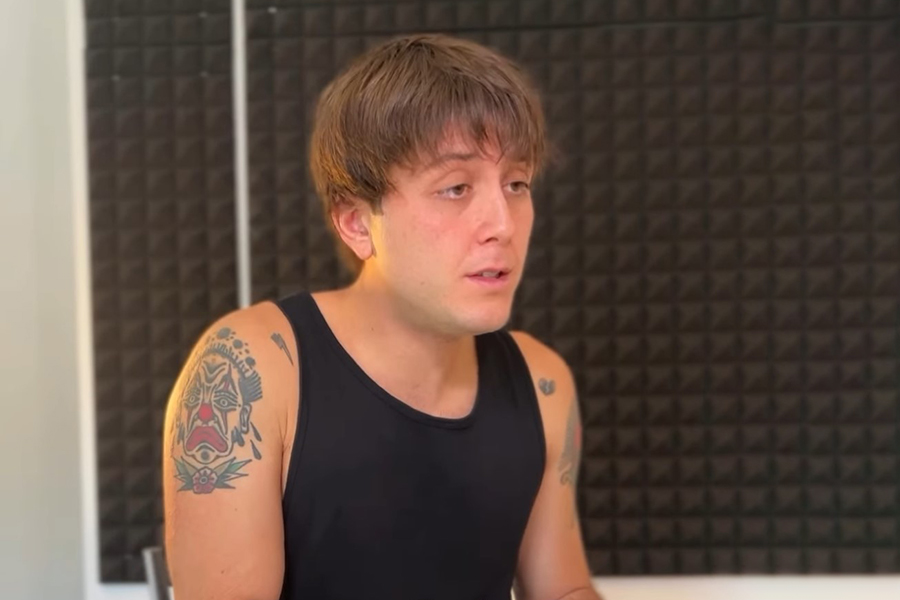
— Yes, my grandson Leonardo performs under the pseudonym CAPALEO. He writes songs and sings very well. It goes without saying that I am happy for him and I want him to achieve all his goals and fulfill all his dreams. However, although I try to help him a little, I cannot be the one who guarantees his success. He will have to earn it himself, as real artists do. With his qualities and his will. Becoming what his grandfather became won't be easy, but maybe half of what I've done will be enough.
— When you were just starting out in music, who did you want to be like? Maybe it's Mozart or Caruso?
— At the beginning of my career, I wanted to act and sing just to impress girls and win them over. Since childhood, I have had a strong craving for women, and I was ready to do anything to conquer them. That was my only goal when I started playing and singing. I listened to the music of Italian and foreign pop artists of that time, but I did not listen to the classics. I discovered Mozart, Bach, Beethoven and others much later.
"I only accept 20% of the job offers I receive"
— In Russia, there has recently been a fashion for veterans of the stage. Young people have discovered experienced artists with a retro repertoire and are dancing to these songs. Now the oldies of the stage began to receive high fees, the second wave of popularity began. Is there something like this in Italy? Do young people like songs from the last century?
— The same thing is happening in Italy. Mature artists are now experiencing a strong renaissance. I notice this myself from the numerous offers I receive, which are becoming more and more interesting financially. Imagine that today I accept only 20% of the job offers I receive. That says a lot.
— You've been on the stage for half a century. Have you reached the peak of creativity during this time? Or are you still on your way to the peak? And what do you consider such a peak?
— In my opinion, despite my 50 years of career, I have not yet reached the peak of creativity. I have a whole series of new songs in my desk that are very different from what people are used to hearing from me, and which I plan to release sooner or later. These are very personal and deeply introspective compositions. My true poetic inspiration has not yet been revealed. My goal has always been the surprise effect, and if I get the chance, I will surprise the audience until the very end.
— Have you solved the secret of the hit? What should a song be like to be sung for years?
— There are no secrets. And even if there were, since secrets must remain secrets, I would not reveal them to you. Naturally, there is a method of work that allows you to get closer to creating a song that has the qualities for global success. The choice of words, for example. The terms should not be too complicated, it is better if the words are often repeated in the chorus. Rhythm is also important. It is much more likely that a song with a fast rhythm, rather than a slow one, will achieve worldwide success. Etc.

— When you think of a man dancing to Italian music, you immediately think of Adriano Celentano in the movie The Taming of the Shrew, where he dances in a barrel and crushes grapes. Have you ever wanted to compete with Adriano Celentano in a battle?
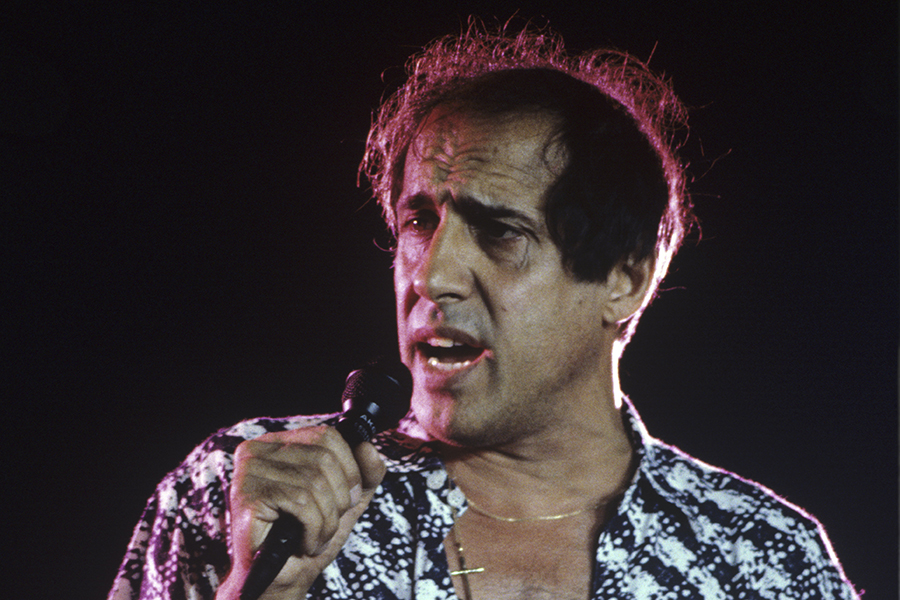
— Adriano Celentano is invincible in everything. He is my dear friend, and we have been working with the same people for many years. Adriano's artistic skills are excellent. He's number one. Both as a singer and as an actor. He can do anything on stage, and no one can do it better and more naturally than him. The only thing he can't do, and I can definitely do better than him, is write songs.
— In 1980, you took part in the Italian Song Festival in Sanremo and took 3rd place with the song Su di noi. Then Toto Cutugno won with Solo noi. And, despite the fact that you were not a laureate then, your song is still loved. Do you think the time of beautiful melodies, which was in the 1980s, can return?
— The melodies of the past years will never come back. Maybe new versions of them will return, but the world, in the natural course of things, never goes back in any area. Our music, the music of the 1980s, is still in fashion, because the same thing happened to it as with classical and opera music. At a certain point, the circle closed and the repeats began. Indeed, operas written from the end of the 18th century to the end of the 19th century are still performed in theaters around the world. And more modern operas don't have the same success. That's what happened to popular music in the 1980s. And if I've been traveling around the world for 50 years and singing the same songs, then there's a reason for that.
— The competition in Sanremo is one of the oldest music forums in Europe. Adriano Celentano, Matia Bazar, Toto Cutugno, Riccardo Fogli, Al Bano and Romina Power, Ricchi e Poverty, Eros Ramazzotti, Gianni Morandi became famous there. And now few people know the winners of San Remo. What is the problem?
— The problem is solely with the songs. The songs that have been participating in the Sanremo Festival for the last few years are not suitable for the international pop market. The range of compositions suitable for global success opened in the late 1950s with songs like Volare. It closed in the 1990s with songs by Eros Ramazzotti and Laura Pausini. And between them, there were us—me, Cutugno, and so on. We are currently in a period of repetitions, which, I am convinced, will last for quite a long time.
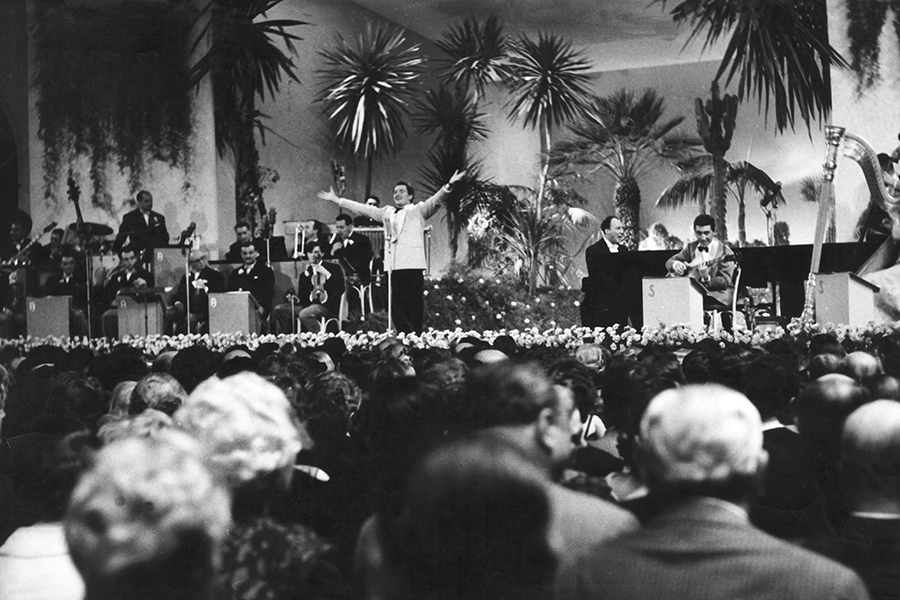
— The winners of Sanremo became representatives of Italy at the Eurovision Song Contest. Tell me, if you were offered to speak there now, would you agree?
— I would love to participate in the Eurovision Song Contest. This is one of my professional dreams.
— How did you react when Russia organized Intervision?
— Russia is doing absolutely the right thing by organizing its own events. Moreover, if they want to invite me to one of them, I am always ready. I am a free man and a free artist.

"I just told them to fuck off."
— Before your last visit to Russia, you wrote in your Telegram channel that you were ready to go "to the trenches" for the "cause of peace." And how do you imagine it?
— My words were a provocation. I don't have the slightest idea what a trench is, and I wouldn't wish anyone to be there. My front line is the front of my own choices. In practice, I will never accept others choosing for me. In this sense, in order to protect what I believe in, and therefore protect the world, I am ready to take any risks.
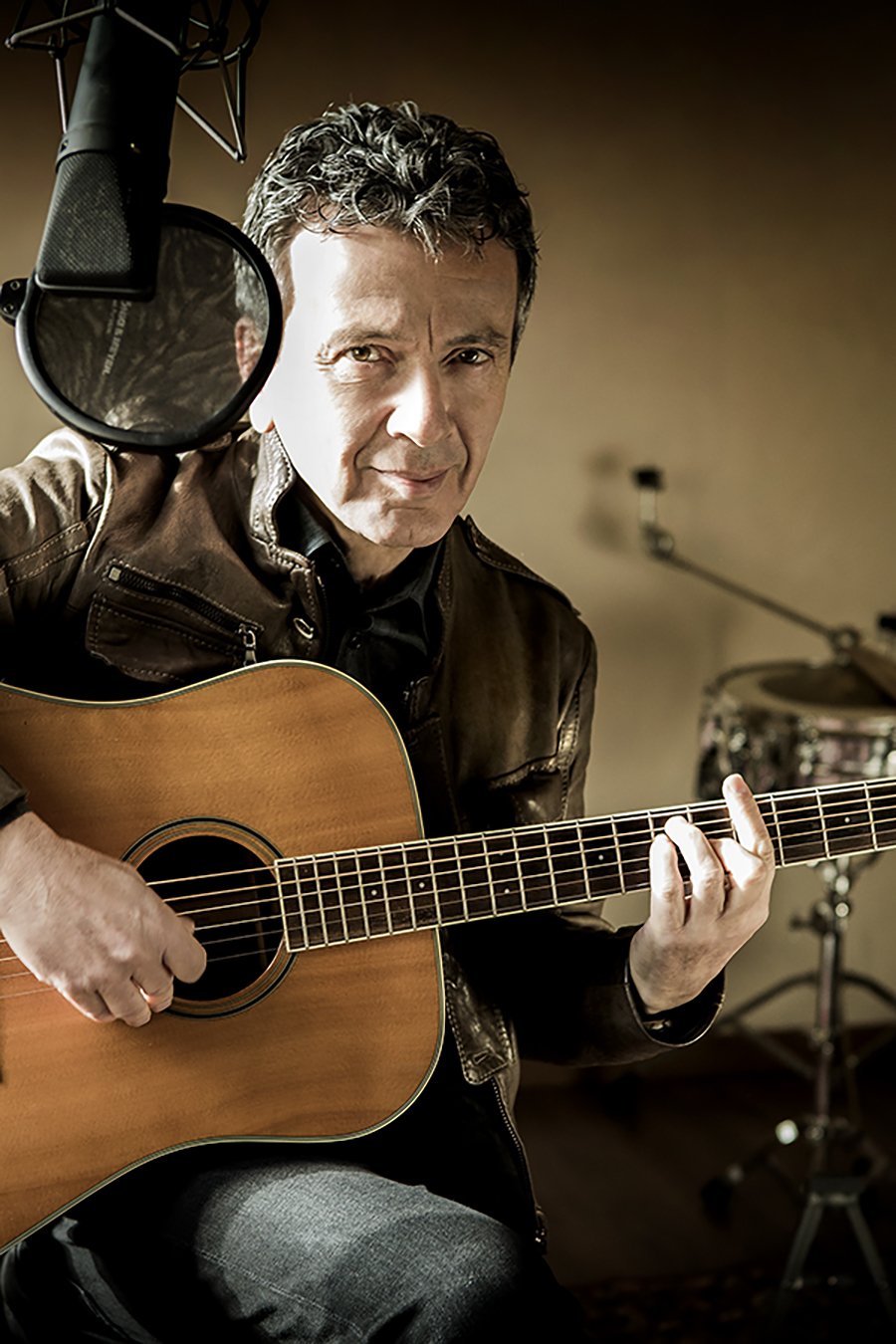
— When the world turned against Russia, you supported our country. They even sang a song in Russian to the music of Alexander Zatsepin, "There is only a Moment." The video went viral on the Internet. Russia appreciated your support. And what do they tell you at home? Are you being judged for being on the side of the Russians?
— Of course, the Italian government does not agree with my choice, but there are millions of Italians who think the same way as me. They believe that none of the forms of art, culture, or even sports should be sanctioned or banned. I have always loved the Russian people. Ever since the days when I could not even imagine that one day these wonderful people would generously reciprocate my feelings. Having said that, I will add: I am going my own way and with my beliefs, and until a state law is passed that prohibits Italian citizens from traveling to Russia, I will follow my ideal. If such a law is passed, then I will decide whether to comply with it. As a last resort, I will ask for Russian citizenship.
— Your concerts were canceled in Belgium due to performances in Russia. And the Italian consul in Liege, Dominique Petta, told reporters about you: "He went to sing to the Kremlin, having received money from a state that is attacking another and threatening Europe. Which is unacceptable to me." What would you say to the consul? Did you have an opportunity to perform in Belgium after that?
— The cancellation of that concert, as well as the cancellation of the concert in Lithuania and other places, is an unacceptable manifestation of arrogance. Before the cancellations, I was required to make statements in accordance with their diplomatic instructions. I don't take orders from anyone. I just told them to fuck off, saying that from now on, and until a fair balance is restored, I don't want to sing in their countries anymore.
— Is there a page in your biography that you would like to rewrite?
— No, I don't want to rewrite anything. With a guarantee of the same end of life, I would repeat everything. Even major mistakes. However, without this guarantee, I might have avoided something. Gambling, for example.
— During the coronavirus pandemic, Russian doctors and the Ministry of Emergency Situations went to Italy and saved the population of entire cities there. While helping, they also died from the disease. Do those whose lives were saved now not remember the good?
— It's true, the Italian people should be grateful to the Russians for this. But, as I said before, the Italians are not the problem. Russian Russians are appreciated and loved by them, just as Russians are by Italians. The real problem is the government. It is the biggest obstacle.

"The story related to Valery Gergiev is a disgrace"
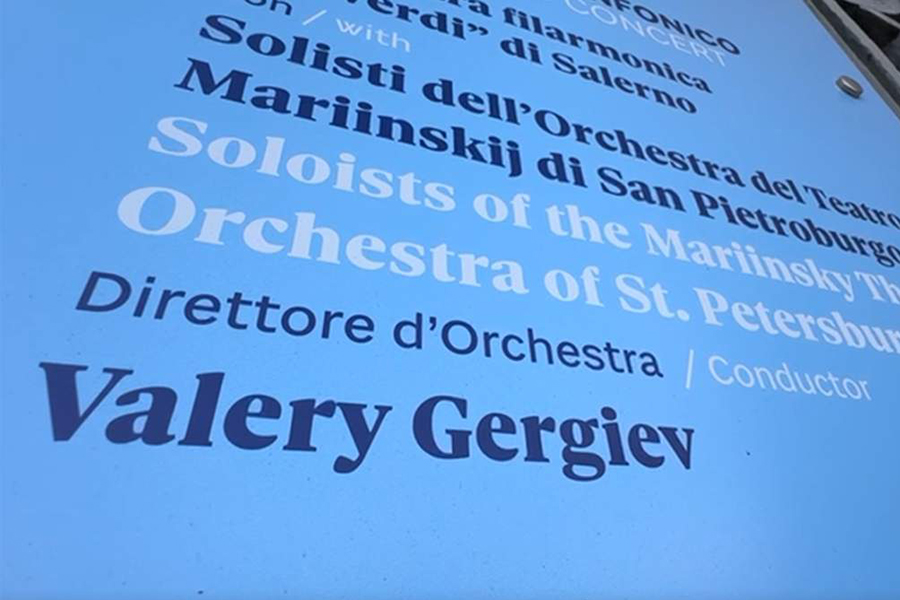
— In the summer, Russian conductor Valery Gergiev was scheduled to perform at the Royal Palace in Caserta in southern Italy. This concert with the Verdi Theater Symphony Orchestra from Salerno as part of the Un'estate da Re festival was supposed to be the first step towards meeting Italy and Russia. How did you feel when the performance of the world famous conductor was canceled?
— The story of Valery Gergiev is a disgrace. Canceling his speech was an injustice. Such an attitude is extremely far from my understanding of everything related to art and cultural exchange between nations.
— A few years ago, you were a member of the jury at the Road to Yalta music festival, where singers from different countries sing patriotic repertoire. Why did you fall in love with Russian war songs?
— Yes, I'm in love with this genre of songs. They convey to me strong and sincere emotions, to the point of tears. These songs contain the whole soul and heart of those who sincerely gave their lives for the ideals of peace and freedom. Against any arbitrariness and corruption. These are strong ideals that I feel in the Russian people to this day.
— Which of the Russian artists are you interested in? Who would you like to sing a duet with?
— I have already had duets with some Russian performers. I have sung with Lolita, Kai Metov, Yuri Loza, Yulia Nachalova and others. However, I would love to record a good duet on a classic Russian song with Lev Leshchenko.
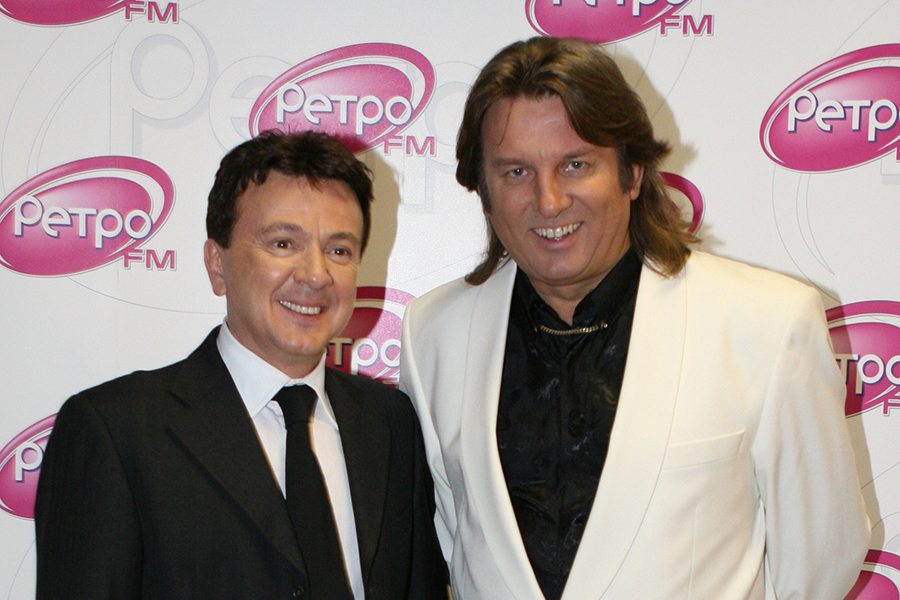
— On October 4, you will perform a solo concert at the Live Arena in Moscow as part of the Pupo World Tour. How will you surprise your fans?
— October 4th will be one of the most important and significant stages of my world tour. I thank my brother and friend Yuri Kostin for organizing this concert. I will be in Moscow with my original band, and together we will try to convey the message of love. The main characters of the concert will be primarily my famous hits. From Gelato al Cioccolato to Un amore grande, through Lo devo solo a te, Burattino Telecomandato, La Notte, Sarà perché ti amo, which I wrote for Ricchi e Poverty, and to the new songs Insieme and Penso a te. I will also sing my favorite Russian song "Kalinka" and Bella Ciao.
This concert will be dedicated to the love between Russia and Italy, so that all Russians know that we Italians love them. I will repeat many times during the concert that Italians love Russians.
Переведено сервисом «Яндекс Переводчик»
